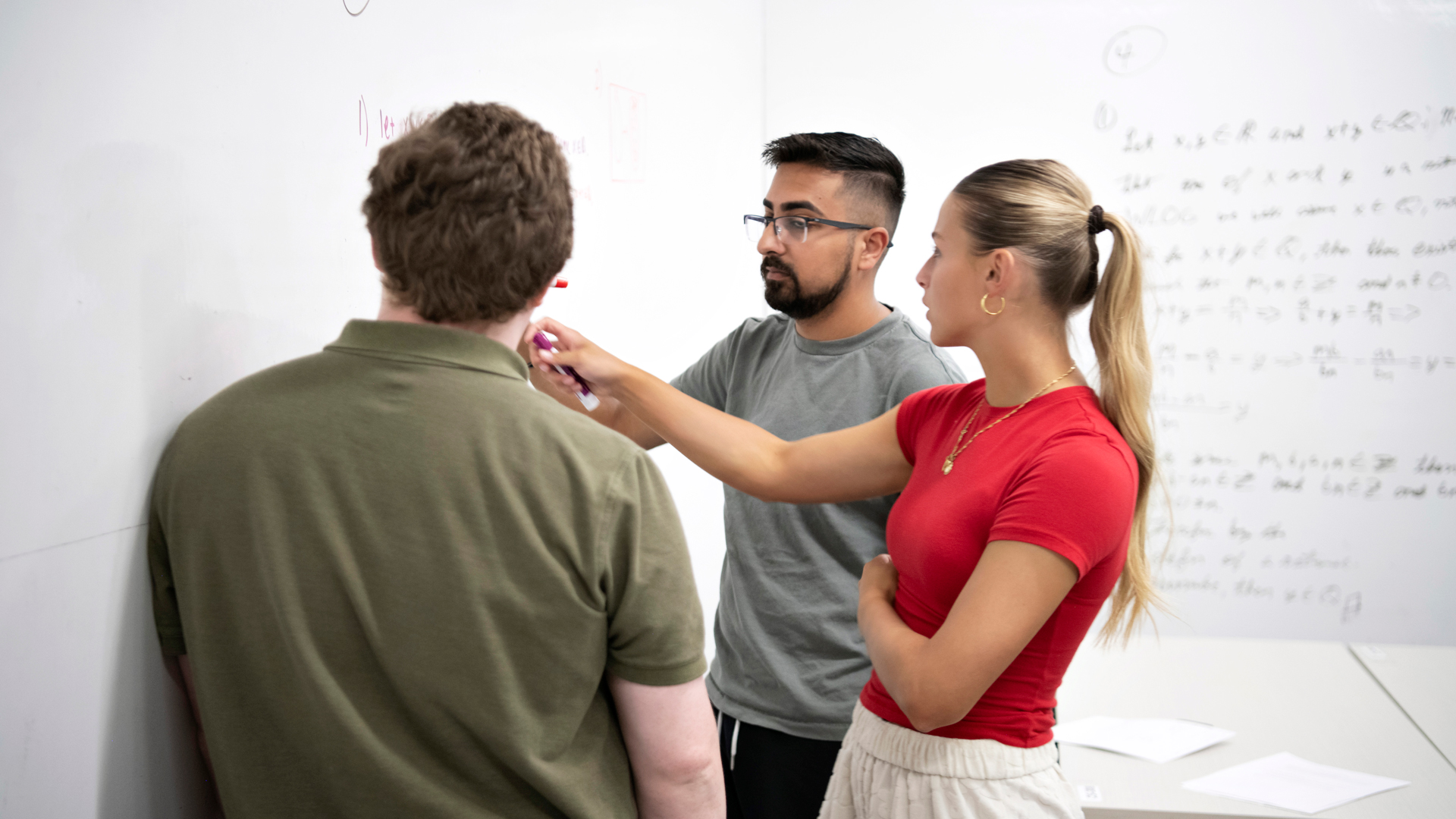
Research for the College of Arts and Sciences
Combining the personal attention and mentorship experience of a liberal arts college with the robust and varied research opportunities typical of a research institution is a best-of-both-worlds union you’ll find in Drake University’s College of Arts and Sciences.
Here, we build hands-on discovery into programs across the natural sciences, mathematics, computer science, social sciences, humanities, and the arts. Outside of the classroom, students are encouraged to participate in faculty-directed scholarship, pursue independent study, and share their findings with the public. As you produce new knowledge, you’ll learn how to design and implement your research, collect and analyze data, and work as part of a team.
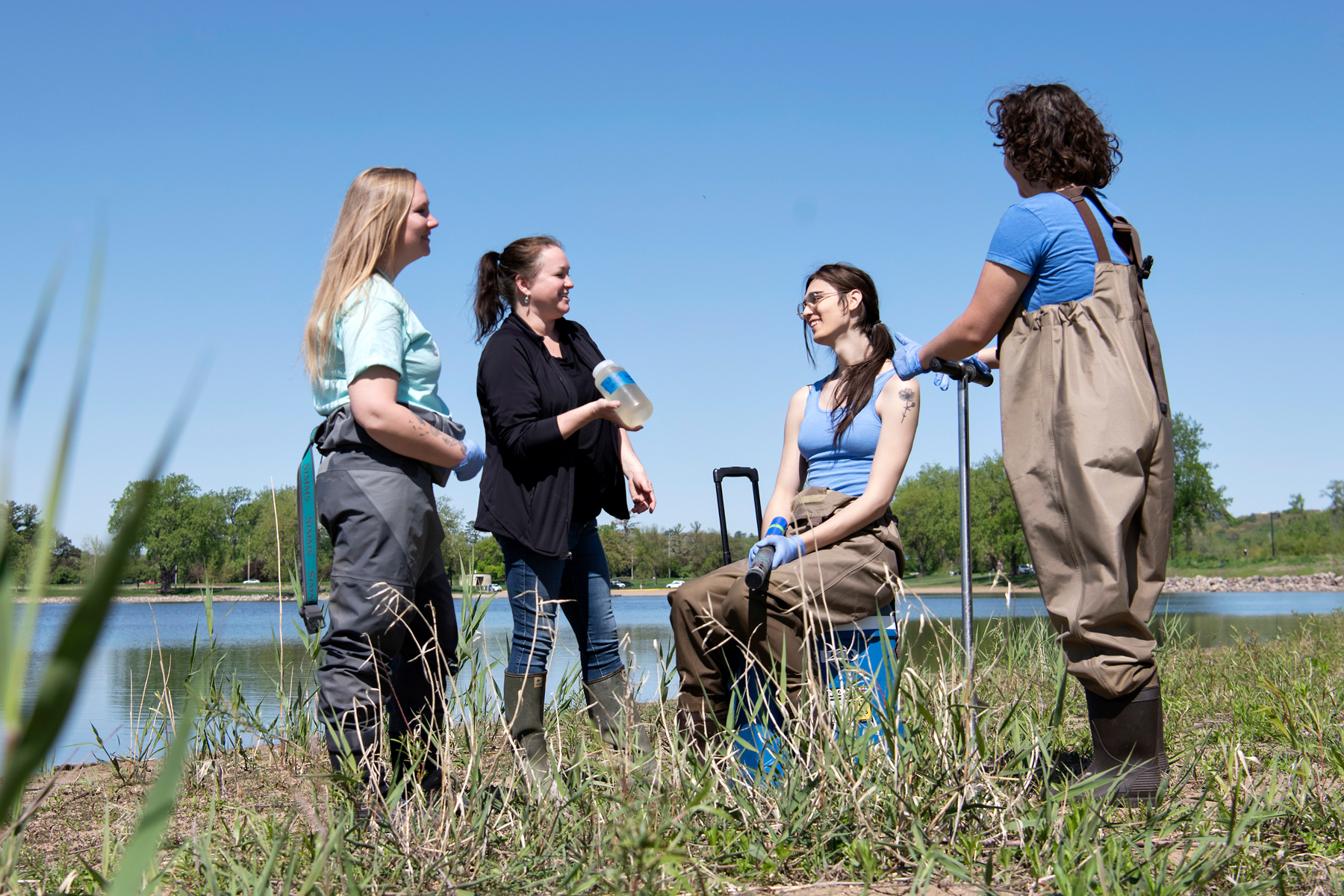
Student Research Opportunities
Work with a faculty mentor on your own study, participate as a research assistant on a faculty-led project, conduct fieldwork, and even share your findings in journals and at conferences. You will learn from the College of Arts and Sciences faculty as teacher-scholars, which means you’ll have access to cutting-edge research opportunities and will be able to see your contributions in the process.
Research Areas
Be a part of the scientific discovery process. Whether in the lab, field, communities of Des Moines, or through the Drake Undergraduate Science Collaborative Institute (DUSCI), College of Arts and Sciences students generate research questions, collect and analyze data, and disseminate findings that may lead to theoretical advances and practical applications.
Anthropology and Sociology
Whether conducting fieldwork in Mozambique, recording narratives of the Drake neighborhood in Des Moines, or applying sociological concepts to address housing inequalities, Drake students and faculty examine humanity’s lived history past and present.
Biochemistry and Molecular Biology
Join Drake faculty as they seek to learn more about virology, cell-wall structure-function, hemorrhagic shock, plant genetic engineering, and organic synthesis of bio-mimicking molecules.
Biology
Every member of the Biology Department maintains an active research program. Undergraduate students help on projects such as developing high-tech tourniquets, understanding our immune response to the flu, and caring for endangered species.
Chemistry
Learn to adopt green chemistry practices, or use lab techniques to analyze aspects of our world—be it observing molecular structures with computer modeling and optical measurements or exploring the intersection of chemistry and art. Students have also presented their findings on hemoglobin biochemistry at national and international conferences.
Computer Science and Artificial Intelligence
Develop more inclusive interfaces through the principles of human-computer interaction, or harness the power of machine learning to predict bank failures or build robotics applications. You can find a project that’s up your alley during the department’s Friday afternoon meet-ups.
English
English majors can turn cultural interests into research questions. Drake faculty members study horror films and young adult fiction, historical methods of book production, and even the relationship between humans and birds.
Environmental Science and Sustainability
ENSS students have access to myriad research opportunities: improve chimpanzee conservation in Rwanda, study the water quality of rivers and streams in Iowa, or understand the impact of logging on forest moths.
History
Our faculty’s research interests span continents and eras, covering topics as diverse as freemasonry, environmental history, and African development. Work closely with them in small classes as you build your own research agenda.
Kinesiology
With mentorship from faculty, Kinesiology students have studied the athletic performance benefits of different shoe designs, cardiovascular responses to playing music, and how warming up affects jump height.
Languages
How do people learn languages, and what’s the best way of teaching? Several of our World Languages and Culture faculty are deeply involved in questions of pedagogy, while others explore topics related to deaf culture and ASL, film dubbing, or language acquisition.
Mathematics
Drake faculty and students use math to answer real-world questions, such as “How does music go viral on social media?” and “What practices can reduce the spread of strep in dorms?” In addition to doing research during the academic year, many Drake Math majors spend their summers participating in undergraduate research opportunities on or off campus.
Neuroscience and Psychology
It’s one thing to learn about the mind—and another to observe reactions in real time. In recent years, faculty-led projects involving Psychology and Neuroscience students focused on mild traumatic brain injuries, eye tracking patterns, and perceptions of leaders.
Philosophy
Each year, students have an opportunity to assist with The Comparison Project. Ongoing department research focuses on topics including the philosophy of education, philosophy of mind, and religious practices in Des Moines.
Physics
Faculty investigate topics in atomic physics, nuclear physics and quantum mechanics, and protein modeling. You’ll be an active researcher, too, participating in conferences and publishing your results.
Political Science
Study with faculty whose research touches on urgent topics such as human rights and public health, the relationship between Congress and the Supreme Court, and American foreign policy.
Research Highlights
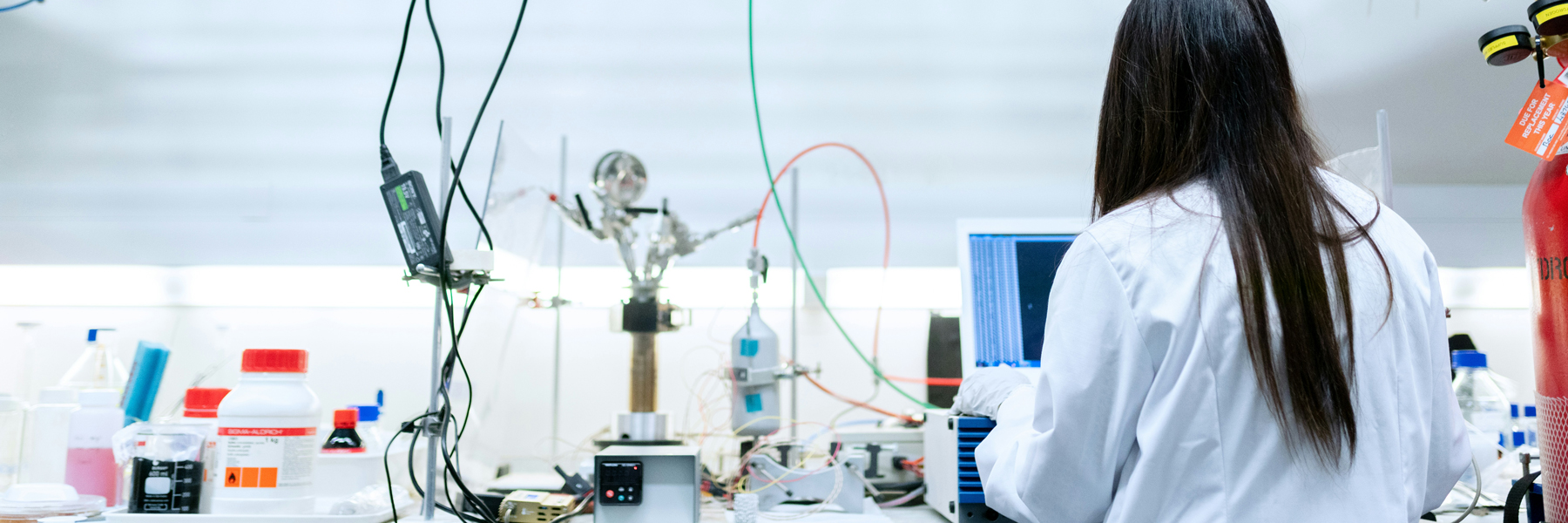
Working with Dr. Mark Vitha, professor of chemistry, students identified organic pigments found in paintings using liquid chromatography and UV-visible spectroscopy.

Computer Science and AI students worked with Dr. Meredith Moore on several projects in the field of human-computer interaction: creating an inclusive ASL database, brain computer interfaces for ADHD, and classifying voice disorders.

In Dr. Daria Trentini's "The Practice of Oral History," Anthropology and Sociology students collaborated with the Drake Neighborhood community to uncover stories and experiences that official reconstructions have overlooked or silenced.
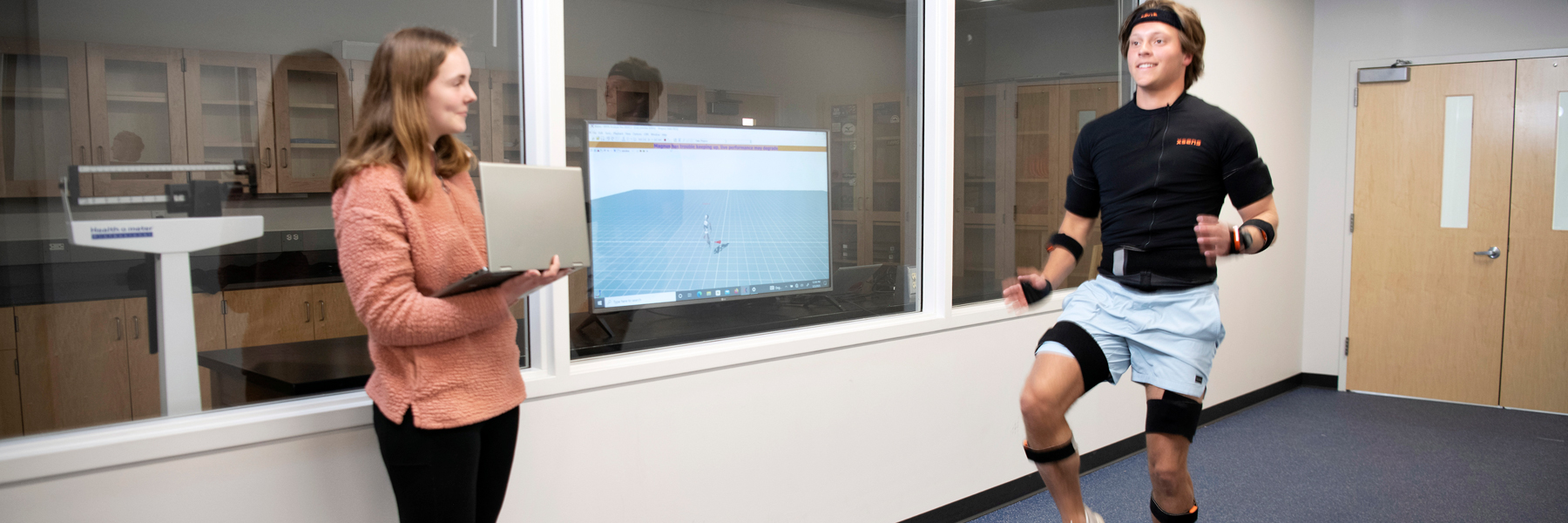
Co-authoring recent peer-reviewed studies, Kinesiology students contributed to Dr. Senchina’s research on running shoes and joined Dr. Luttrell to examine how playing brass and wind instruments affects the cardiovascular system.
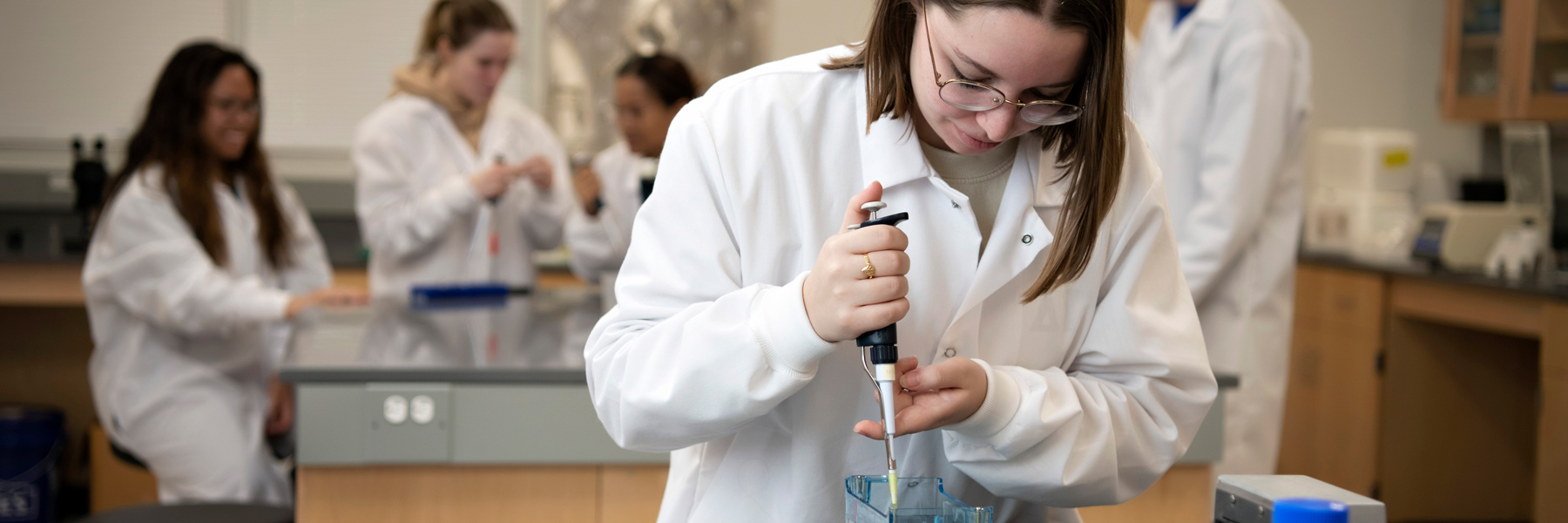
Biochemistry and Molecular Biology students worked with Dr. Charisse Buising and researchers from UnityPoint Health and Methodist Medical Center to develop trauma protocols.
Centers and Institutes
The College of Arts and Sciences’ centers and institutes are dedicated to conducting vital research and informing the public on topics such as civic engagement, social, cultural, and economic vitality in rural areas, leadership, and more.
Research Funding
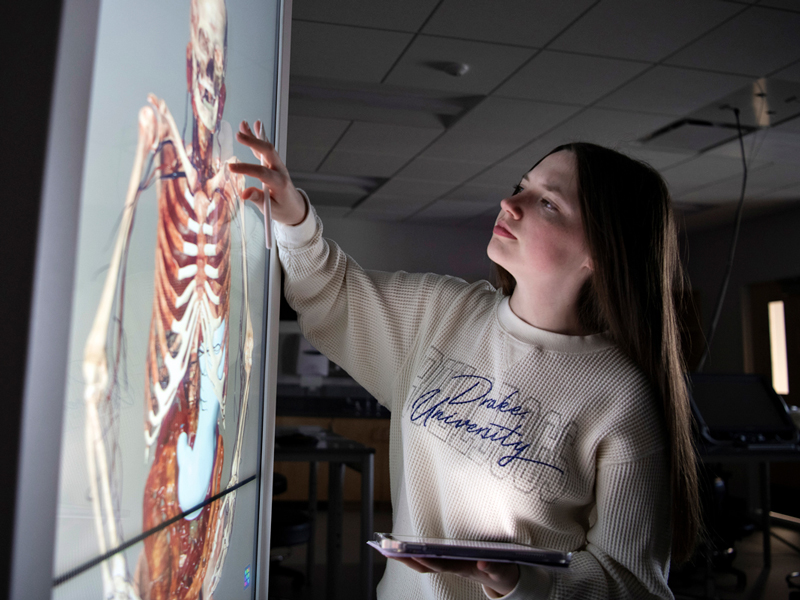
The College of Arts and Sciences encourages and financially supports your pursuit of research. As you plan a research study overseas or gear up for a national conference, grant opportunities allow you to conduct and present your research to the public.
Recent Discoveries

Take the Next Step
Research brings learning to life. Explore all the ways the College of Arts and Sciences expands our understanding of the world around us, and see how you can contribute.