
Spanish for the Medical and Health Professions Minor
Medicine is a science, but communication is an art. This immersive minor prepares you to connect with patients and coworkers in their native Spanish while also being aware of their cultures.
College of Arts & Sciences | On-Campus
Program Options
Each of Drake’s language programs builds your communication skills by emphasizing cultural competency and real-world applications. This pairing equips you to make meaningful connections—and helps get your résumé seen for healthcare, public health, and other careers interfacing with the public.
Minor in Spanish for the Medical and Health Professions
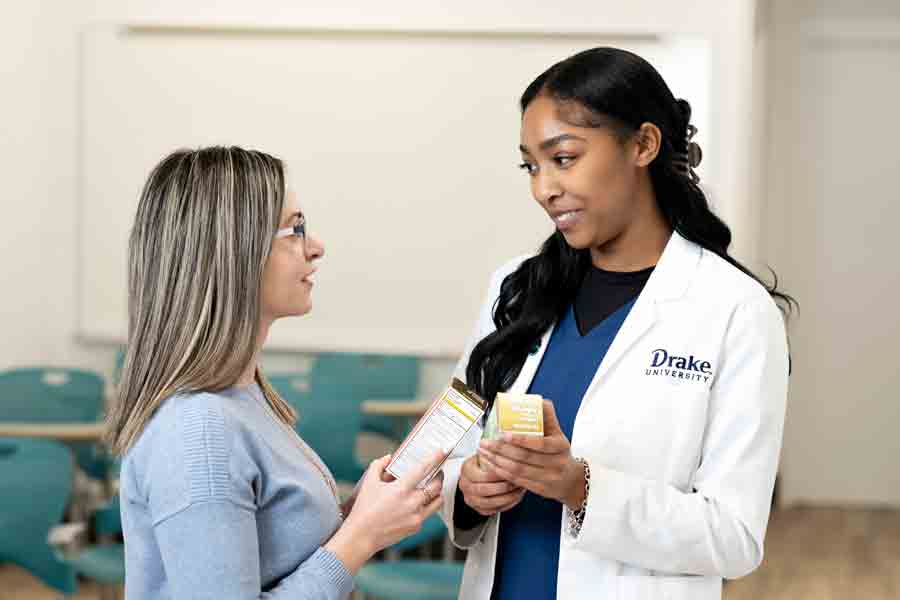
After completing Intermediate Spanish II (or higher), students will take 18 hours of courses focused on medical applications. Required subjects include Spanish Medical Terminology, Bilingual Medical Interpreting, and Cultural Health Perspectives.
B.A. in Spanish
In addition to 24 hours of language courses taught at or above the intermediate level, students take six hours of English-language electives such as Urban Education Immigration; Sex, Power, and War: The Aztec Empire; and Latino/a Literature. The six hours can also be completed in additional Spanish courses above the 150-level. The Minor in Spanish for the Medical and Health Professions complements the Spanish major, providing more focused career preparation.
Other Complementary Programs
Taken with the Pre-Law or a 3+3 Law program, this minor can prepare you to effectively assist medical malpractice clients. As a Pre-Pharmacy, Pre-Med, Pre-Occupational Therapy, Health Sciences, or Psychology student, you’ll be ready to serve millions of Spanish-speaking individuals, whether close to home or abroad.
Careers & Skills
Navigating our healthcare system can be daunting—especially if English isn’t your primary language. Many of our alumni go on to work as therapists, pharmacists, and medics who serve Spanish-speaking patients after completing the necessary training in their chosen fields. Others become educators in the U.S., Mexico, or Spain, where several have taught for the Ministry of Culture.
In addition, many WLC graduates have received the Fulbright Scholarship, attended international graduate schools, and completed internships in areas that incorporate their language abilities.
Opportunities
- Education
- Healthcare
- Mental health
- Politics
- Pharmacy
- Public health/epidemiology
- Social services
Skills
- Speaking, listening, reading, and writing Spanish with a focus on medical and health applications
- Recognize, comprehend, and develop respect for the differences among various types of Spanish and their related cultures
- Engage in the practice of utilizing various techniques and skills necessary to translate between Spanish and English
- Develop the ability to collaborate effectively
Salary Growth and Outlook
Median salary for health education specialists in 2024. (U.S. Bureau of Labor Statistics)
Meet the Faculty
Our faculty teach language by relating it to cultural knowledge, often referencing first-hand experiences. They’ll serve as guides as you progress academically, professionally, and personally in Drake’s Minor in Spanish for the Medical and Health Professions.
Ruby Herrera
Adjunct Instructor, Spanish
Outside the Classroom
The best way to learn a language is by using it in everyday situations. Challenge yourself and see how much you’ll learn through internships, studying abroad, and interacting with our neighbors in Des Moines.
Study Abroad and Exchange Opportunities
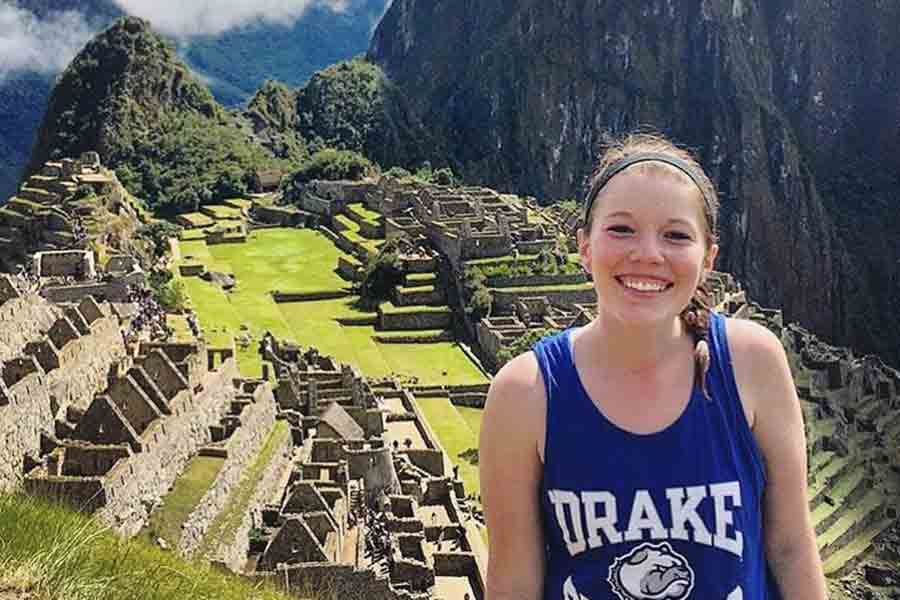
Immerse yourself in Spanish when you join our DU Spain program in Seville, a faculty-led J-Term course in Mexico, or partner-led exchange programs in Mexico, Chile, or Spain.
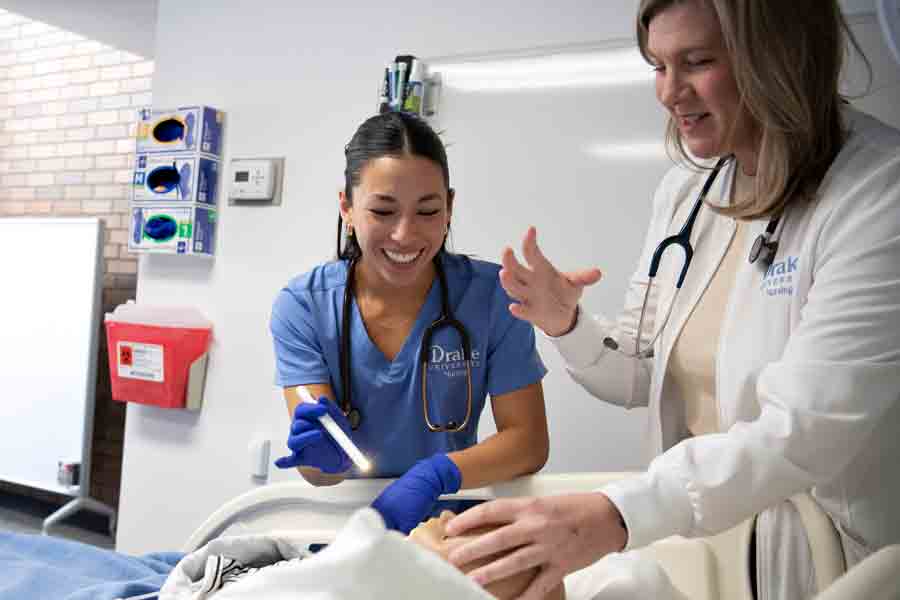
Service Learning
We foster cultural connections and global citizenship by encouraging our students to serve our community and the world beyond. All World Languages & Cultures students learn to adapt to different audiences in an array of impactful experiences with local, national, and international organizations.
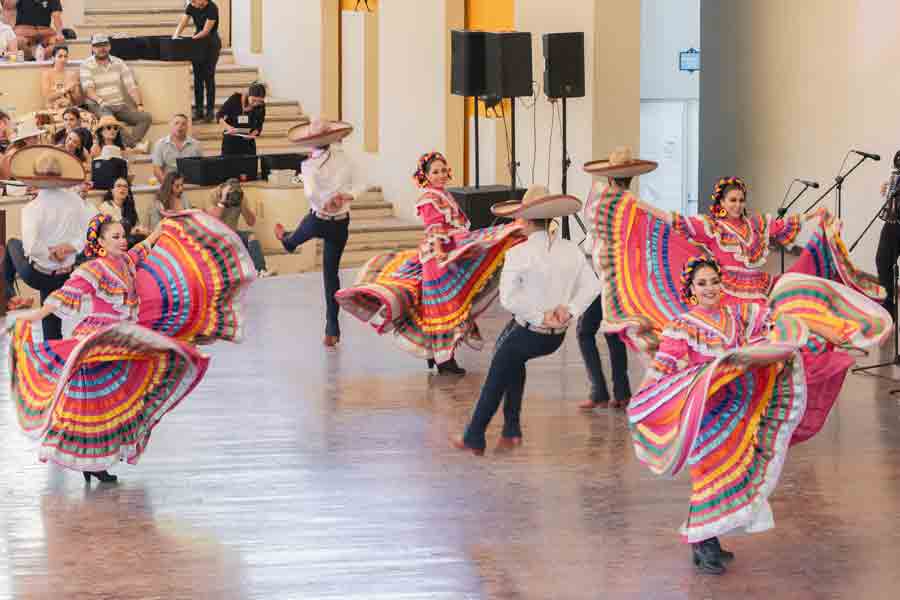
Student Organizations and Cultural Events
Get to know Des Moines’ Latino community through student groups such as La Fuerza Latina and El Ritmo Latino. Attend networking events, visit area schools, take Latin dance lessons, and more.

Research
Study topics related to the Spanish language and its cultures, and present your findings at the annual Nelson Student Research Symposium.

Outstanding Achievement Award
With this annual award, the Department of World Languages and Cultures recognizes students with exceptional language skills and cultural knowledge.
Take the Next Step
Build a bridge to better care for Spanish-speaking patients. Learn more about minoring in Spanish for the Medical and Health Professions at Drake.