Bachelor of Arts in Music
What goes into creating a piece of music? What factors determine its cultural impact? How can we assess what makes a piece work the way it does? This academic-based exploration equips you to pursue the answers to these questions alongside your own.
College of Arts & Sciences | On-Campus
Program Options
Contemplate chords, analyze historical trends, and assess outside influences to understand a musical work’s structure, a composer’s output, or the significance of an entire era.
B.A. in Music
Theory, history, and technique all converge to give you a broad, analytical perspective for exploring classical periods, jazz music, and post-tonal styles. You’ll take the same core curriculum as other Music students while having the flexibility to add a second major.
Double Major
Will you be managing an arts organization, writing about recent music releases, or studying the development of existing and emerging genres? Find your niche with a double major in an academic or professional discipline.
Music Minor
Cultivate your musical talents even if you’re not planning a career on stage. In addition to training in your chosen instrument, Music minors also take classes in music theory, music history, and sight singing. An audition is required.
Careers & Skills
Create a career based on the “why?” and “how?” of music. The academic angle of Drake’s program paves the way toward advanced studies in musicology, music theory, ethnomusicology, music therapy, or library science. Or combine your knowledge into an interdisciplinary career, like music criticism.
Opportunities
- Music theory or history instruction
- Music therapy
- Music criticism and journalism
- Music librarianship
- Music research
Skills
- Develop research and critical thinking skills
- Gain on-stage experience in one of Drake’s ensembles
- Conduct in-depth analyses of performance and music study
- Build a well-rounded worldview through the Drake Curriculum
Salary & Growth Outlook
Median salary across the fine and performing arts field in 2022. (U.S. Bureau of Labor Statistics)
Meet the Faculty
Our renowned faculty have performed around the world, recorded with top artists, and published books offering insight into different time periods and composers. Above all, though, they’re dedicated to your success.
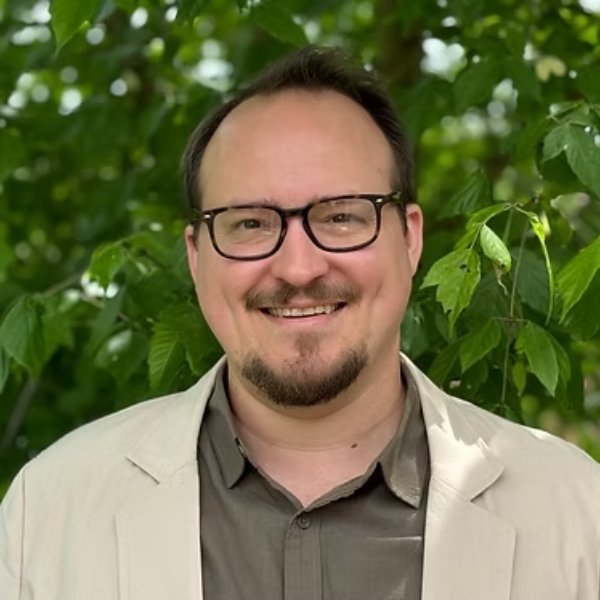
Neal Endicott
Visiting Assistant Professor, Music


Outside the Classroom
Music majors at Drake are part of a program large enough to access multiple performance and research opportunities, but small enough to get personal mentorship and instruction from world-class musicians and academics.
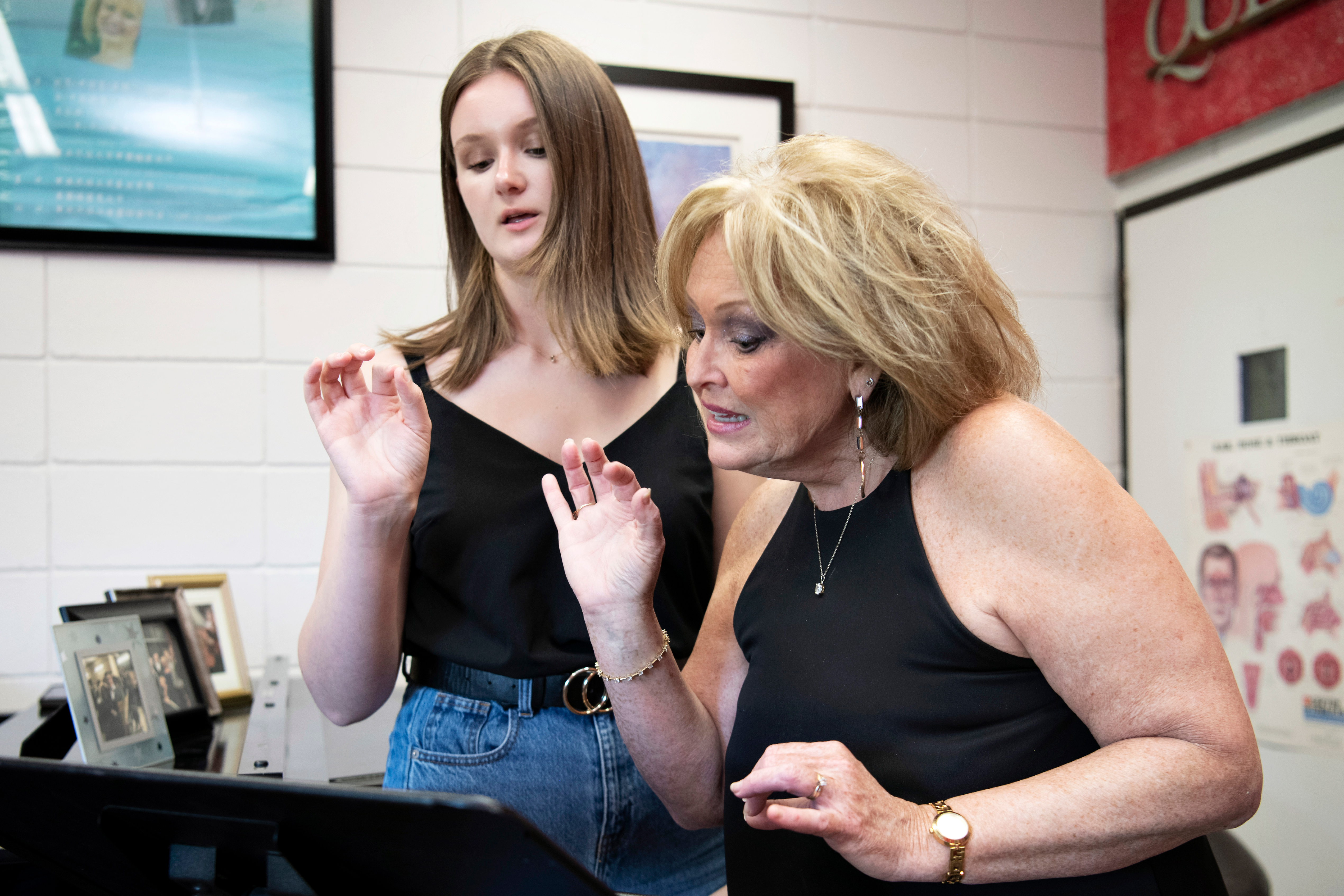
Research
For B.A. students, putting music into the proper historical and cultural context is as important as performance. Go beyond the score for graduate work in musicology, ethnomusicology, or music theory while burnishing your research and analysis skills.
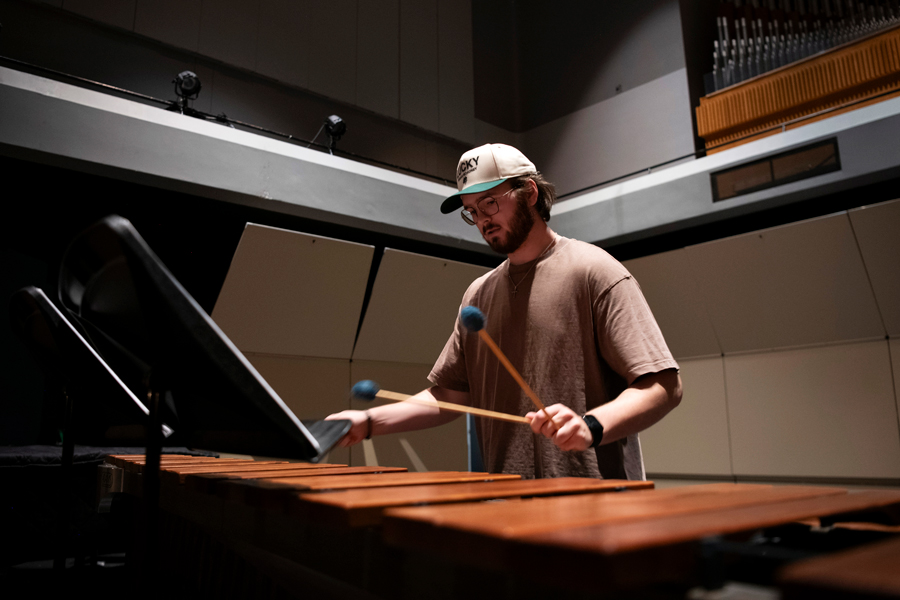
Senior Thesis
Your capstone degree project can take many different forms. Instead of a recital, you can write a thesis on a topic of your choice, working closely with an advisor as you complete this deeply researched project. If you want to apply your studies in a more public sphere, you can present a senior lecture-recital that allows you to share the history and cultural context of the repertoire on a curated program that you also perform. Or you can turn your creativity to the realm of composition, writing an extended original work of your own.
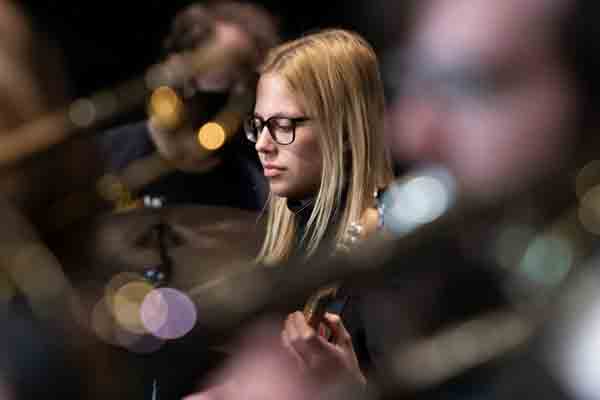
Internships
Internships give you a close-up look at how music finds an audience. Get real-world experience in Des Moines’ robust art scene, working with community arts programs, area venues, or event management companies.
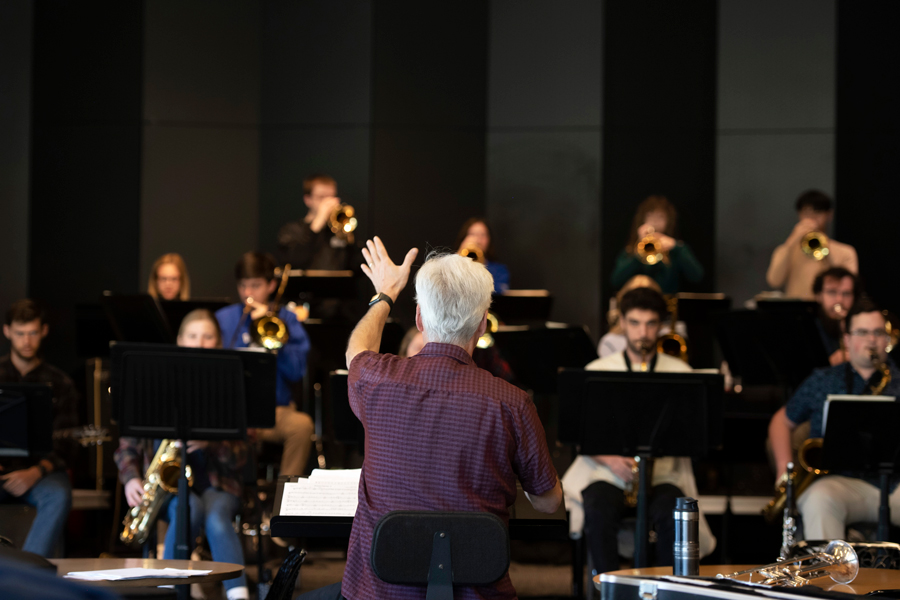
Ensembles
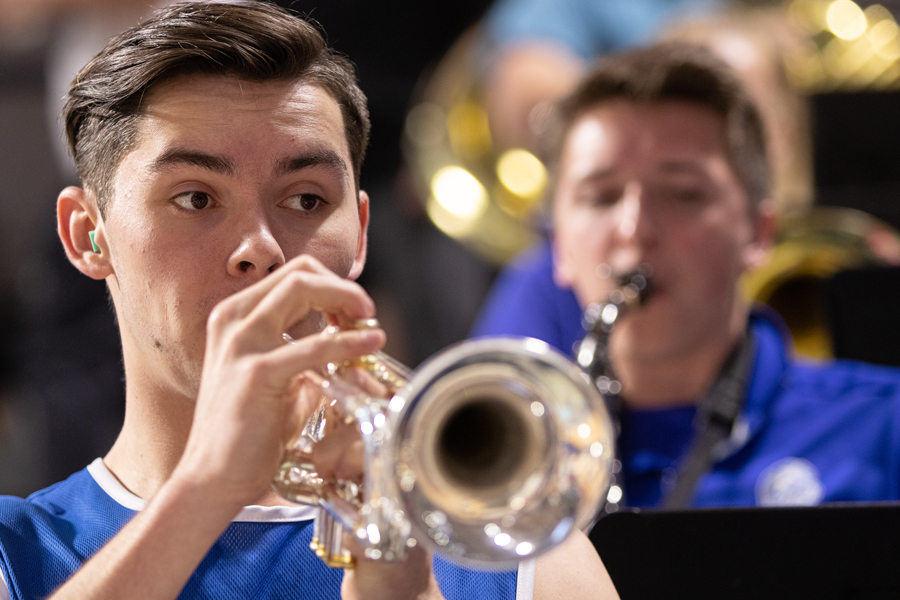
From jazz to opera, choirs to orchestras, find your on-stage home in one of our award-winning ensembles. Drake’s student ensembles frequently perform off-campus and even back professional musicians on records.
Student Organizations
Step up and get involved on campus, our community, and our craft through one of our student groups. Join an international music fraternity, Drake’s Student Music Advisory Committee, or the National Association for Music Education.
Fine Arts at Drake
Take the Next Step
Becoming a professional musician takes time, talent, and dedication. Begin your journey to the stage in a music program in Drake’s College of Arts and Sciences.
Music Auditions
In addition to applying to Drake, prospective students who are interested in pursuing Music programs are required to complete an audition.
Social Media
Follow us on Facebook or Instragram.