Musical Theatre Major
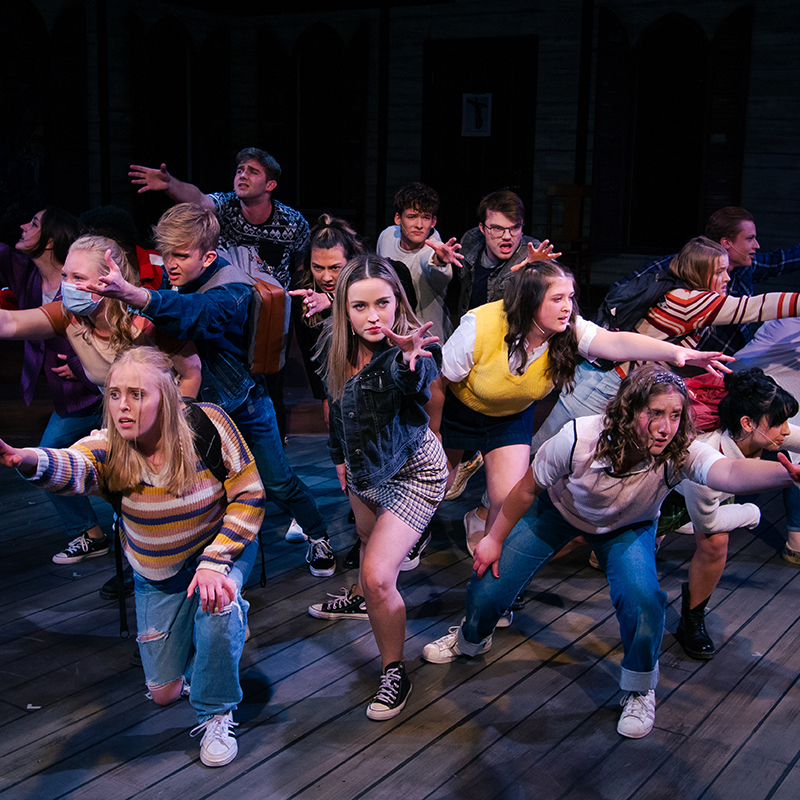
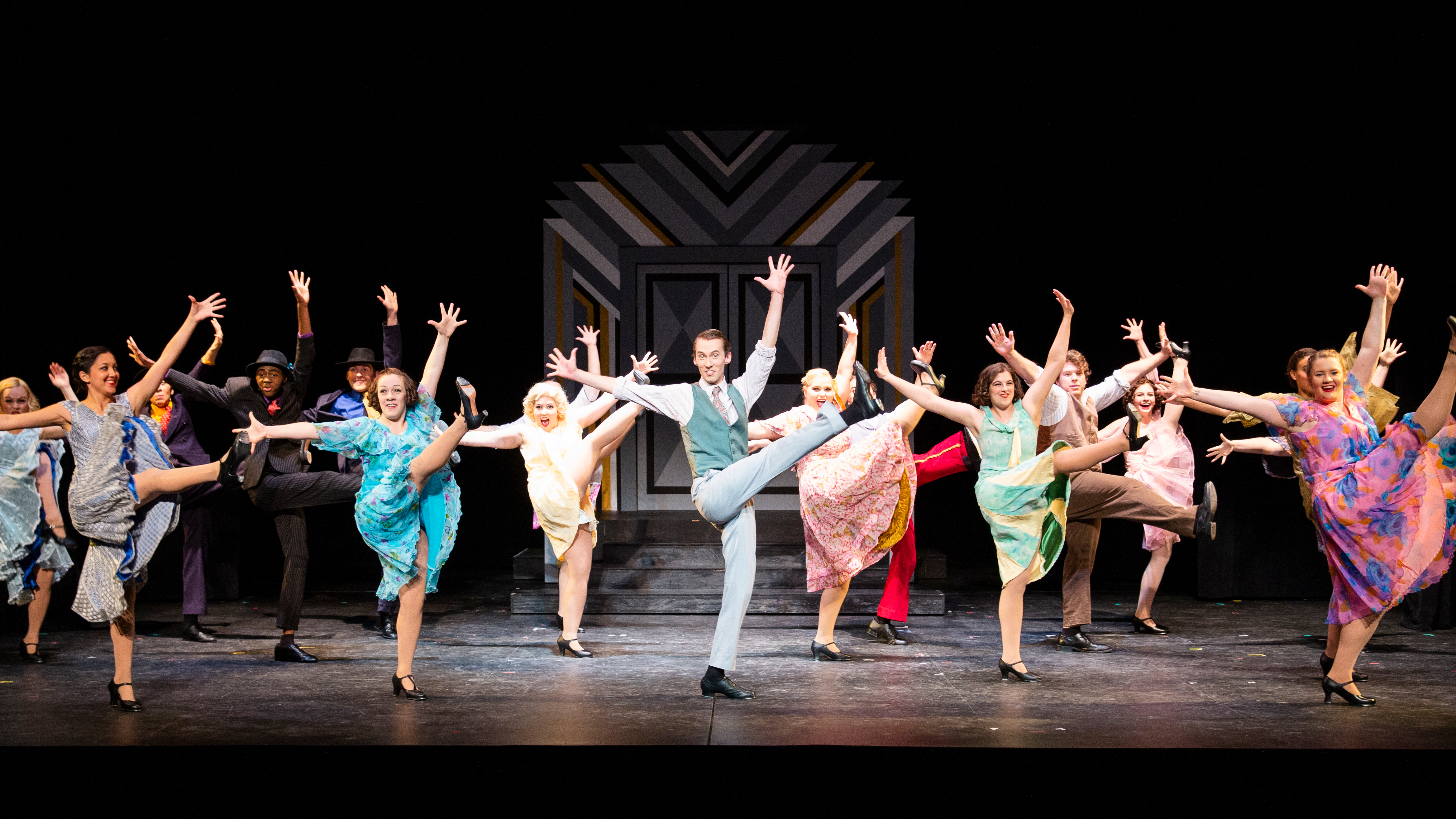
As a Musical Theatre major, you’ll sing, dance, and act on stage multiple times throughout your four years at Drake while receiving an education that explores every aspect of a production.
College of Arts & Sciences | On-Campus
Program Options
Performance is at the core of Drake’s Musical Theatre program. Whether you’re aspiring to a Broadway career or adding another talent to your repertoire, you’ll get the chance to refine your abilities with every lesson and role you take on. Don't see what you're looking for? See all programs offered by the department of Theatre Arts here.
B.F.A. in Musical Theatre
Musical Theatre students practice routines, vocal lines, and character development with experimental productions, classroom performances, Main Stage shows, and opportunities to work professionally in the Des Moines community, as well as in summer performances and internships.
Musical Theatre Minor
Round out your talent toolkit with classes in singing, dancing, movement, voice, piano, music theory, and various acting styles. Then, bring them to life through participation in classroom, Main Stage, and experimental productions.
Musical Theatre Concentration
Students majoring in Vocal Performance can boost their artistic versatility by choosing this concentration, which includes additional courses in acting, movement, musical theatre history, and dance.
Vocal Music Concentration
Lean into your status as a singing actor and broaden your performance range in this concentration open solely to Musical Theatre majors. In it, you’ll study music theory, piano, vocal pedagogy, and vocal literature while participating in an ensemble (choir or opera).
Careers & Skills
Drake isn’t a conservatory—it’s a liberal arts institution where you can train for a career in theatre. That means that, in addition to the classes in your major, you’ll also build skills in communication, scientific and quantitative literacy, historical consciousness, and seven other areas that are part of the Drake Curriculum. By the time you graduate, you’ll be prepared to be both a leader in your art, as well as in society.
With this background, Musical Theatre majors enter the field directly, pursuing opportunities in Chicago, Minneapolis, New York, Los Angeles, and other performance centers, or attend graduate school to develop their craft further.
Opportunities
- Broadway productions
- National tours
- Regional theatre
- Teaching
- Radio/television
- Graduate study
Skills
- Voice classes focus on both musical theatre and classical techniques
- Learn to move freely, dance, and apply the craft of acting to your performances
- Learn music theory and how to play piano
- Develop skills in communication, critical thinking, and problem solving
- Get a wide-ranging education that prepares you to be a theatre artist, not just a performer
Meet the Faculty
You’ll study with faculty across the Theatre Arts Department, as well as with members of the Music Department.





Outside the Classroom
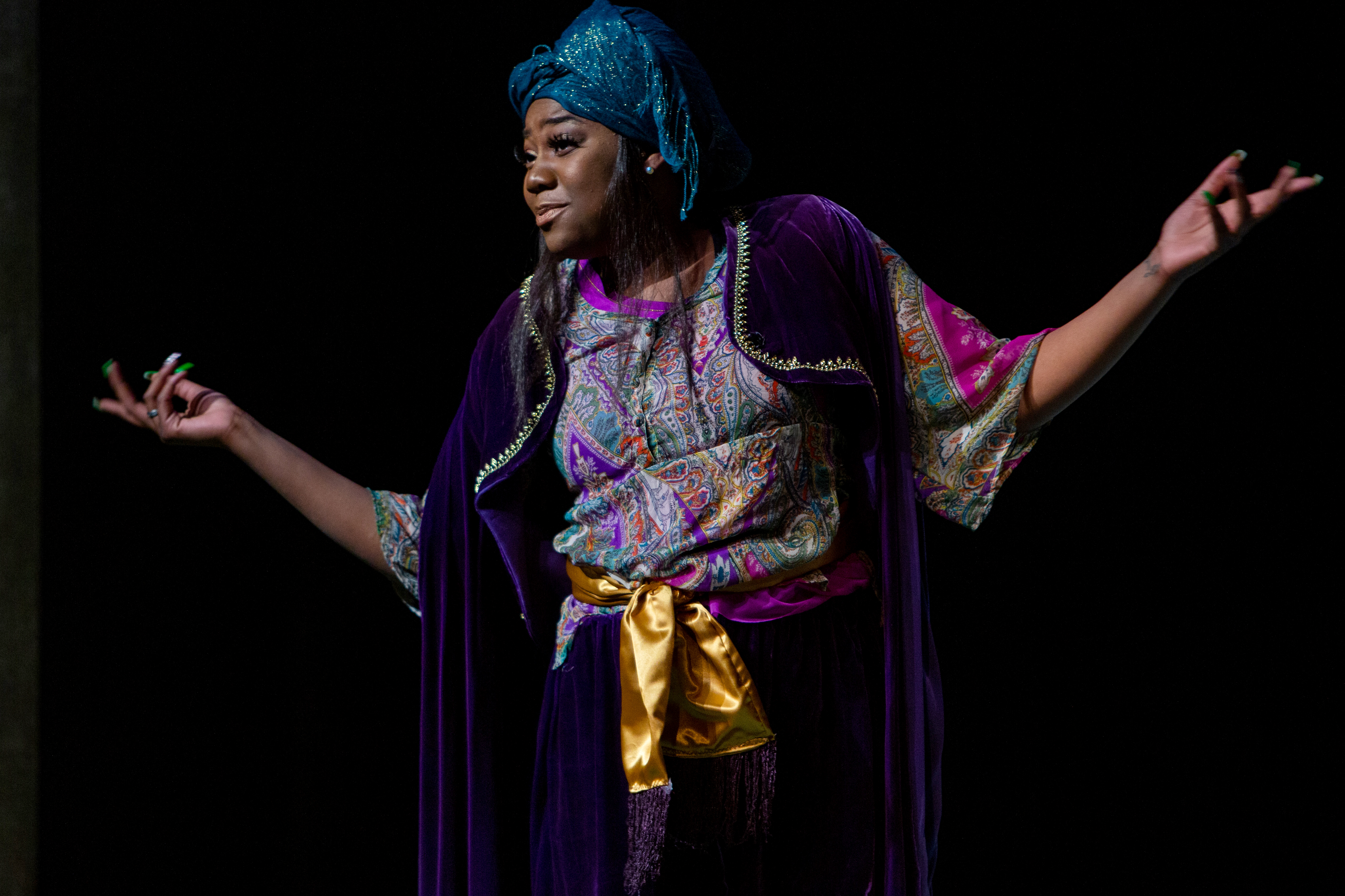
You’re studying theatre to bring stories to life. You’ll get the chance to do just that at Drake, whether you’re performing in a Main Stage production, diversifying your roles in local theatre, or even trying your hand at directing.
Student Productions
Put your talent to the test in any of the productions staged on campus every year by the Theatre Arts Department. Typically, you’ll participate in five or six of those, often working side-by-side with faculty designers and directors.
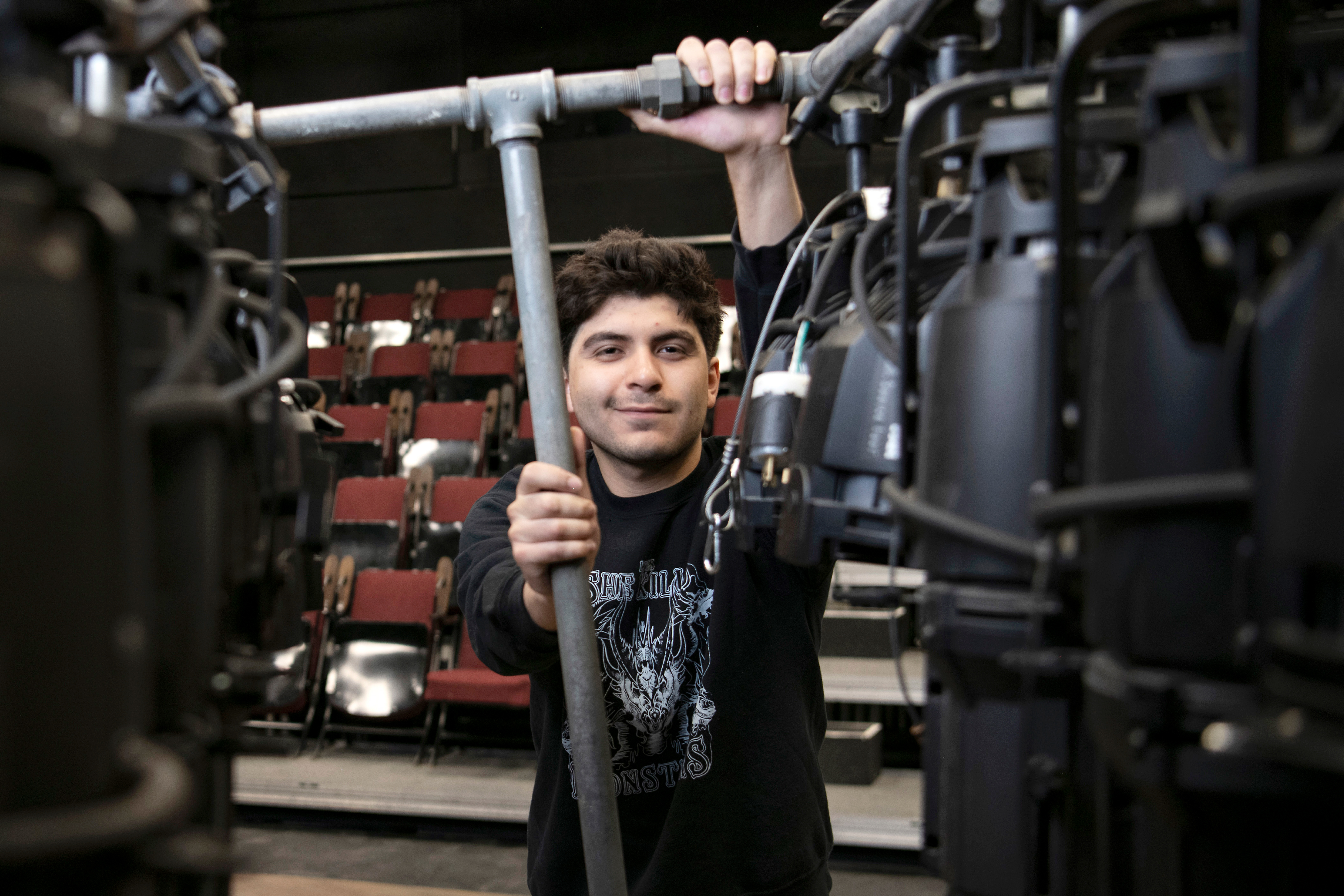
Summer Internships
Make insider connections and gain professional experience. In recent years, Drake students have interned for the Santa Fe Opera, the Utah Shakespeare Company, and the Goodman Theatre company.
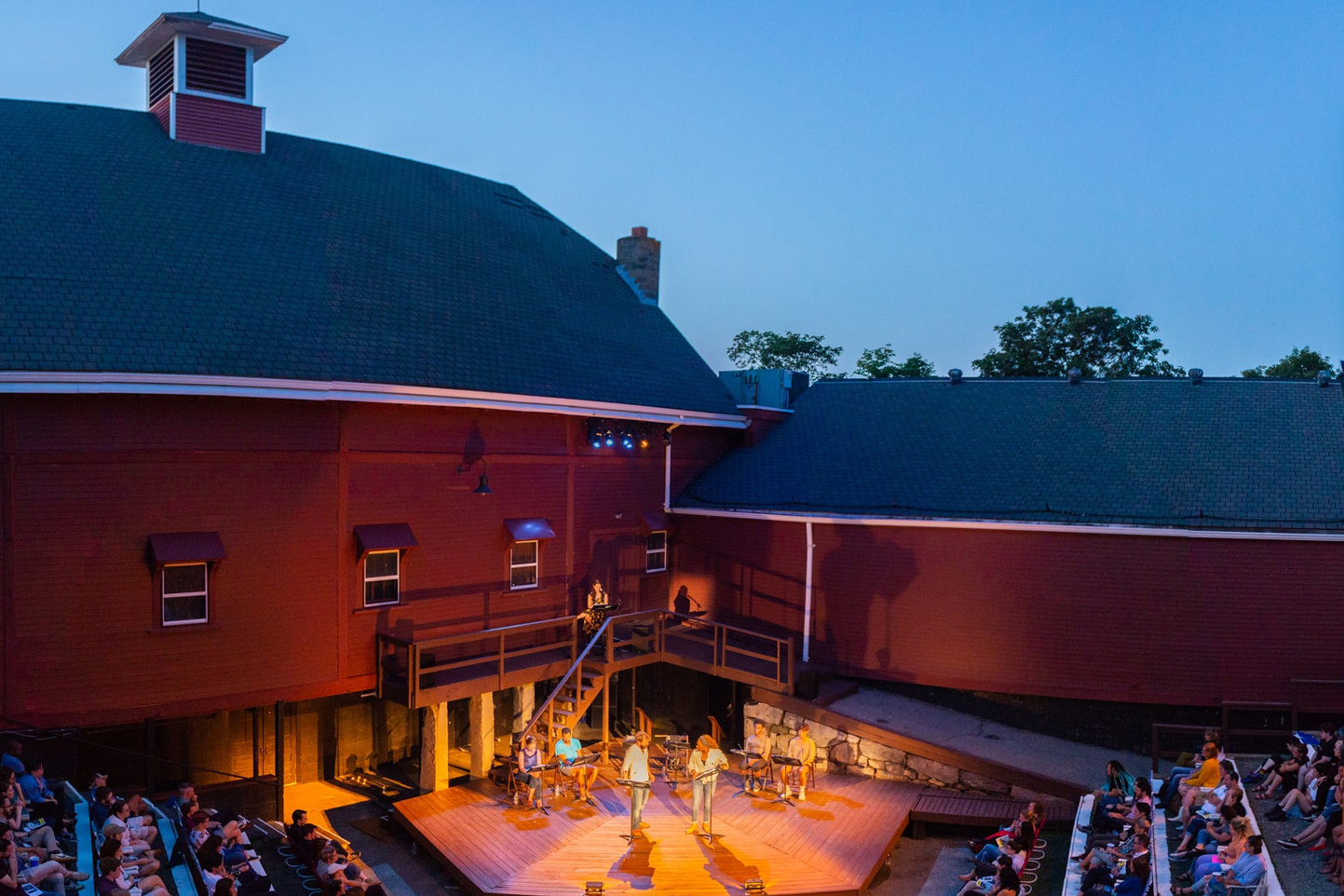
Eugene O’Neill Theatre Center
Our partnership with the O’Neill Center in Connecticut gives you access to one of the country’s premier launchpads for new talent: O’Neill alums have won every major award in the theatre arts.
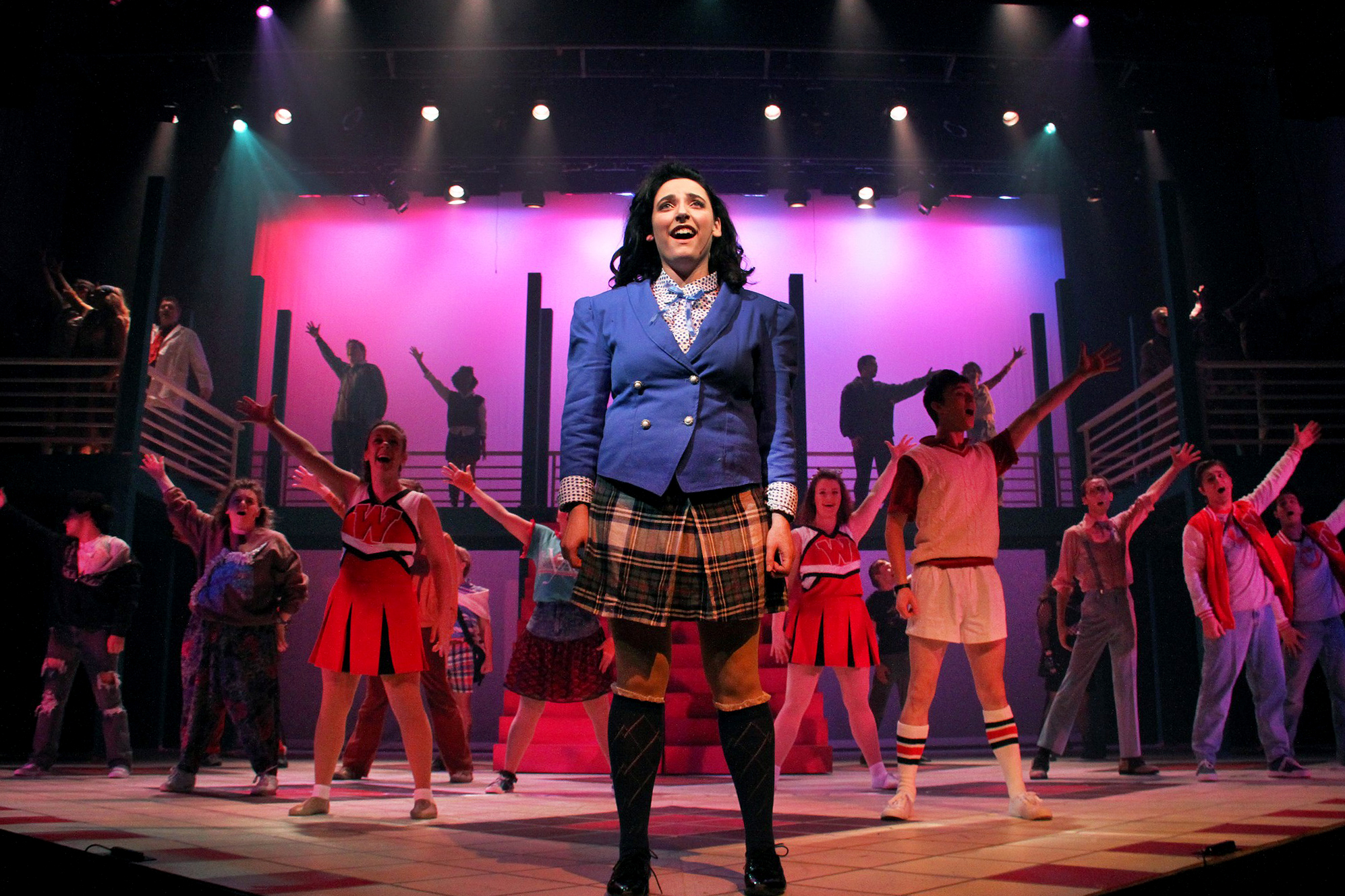
Local School Productions
A theatre role model may have inspired you to perform. You can have that kind of influence at Drake: our students have been hired to teach, direct, and choreograph at local schools and theatre companies.
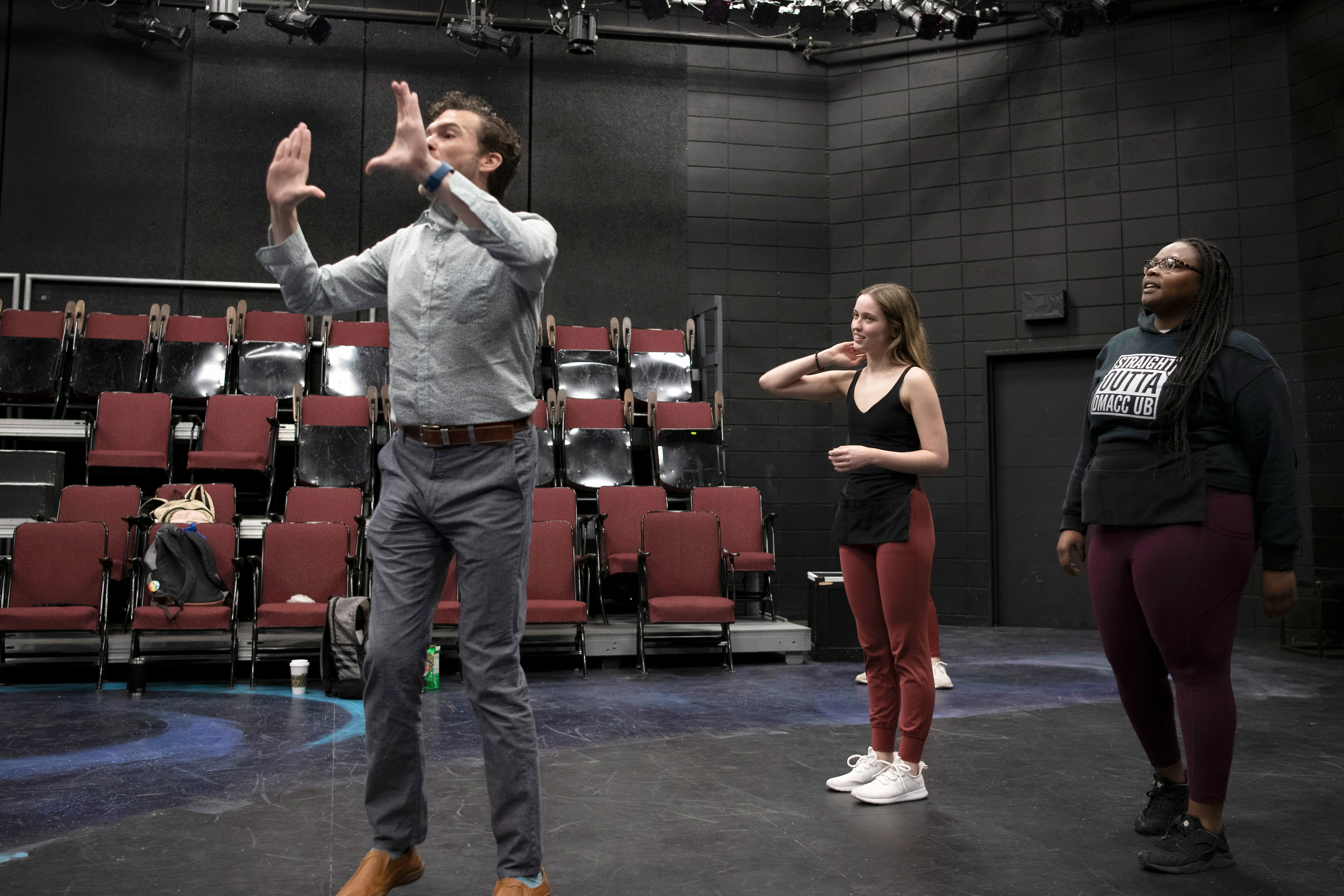
Industry Preparation
Drake students have acted, directed, stage-managed, designed, and served as crew members for every theatre in the area, including StageWest Theatre Company, Repertory Theatre of Iowa, and Des Moines Community Playhouse.

Study Abroad and J-Term Seminars
Select students may study in Russia or London through the O’Neill Center. Every other year, Theatre faculty take Musical Theatre and Acting majors on a J-Term Travel Seminar trip to New York City. There, students work with theatre professionals on auditioning and performance technique and have the opportunity to see Broadway productions.
Take the Next Step
Work with faculty on productions that will bring out your best. Learn more about our Musical Theatre major.
BFA Theatre Auditions
In addition to applying to Drake, prospective BFA Theatre students are required to complete an audition.