
Sociology Major
Analyze the relationships and institutions that make up our modern world to engage with its social issues and propel lasting change.
College of Arts & Sciences | On-Campus
Program Options
Sociology students ask timely—and timeless—questions about the way the world is socially organized. Depending on the program you choose, you’ll confront issues of race, class, gender, sexuality, and age.
B.A. in Sociology
The Bachelor of Arts in Sociology introduces students to the complexity of human society and the social forces that shape people’s lives. Sociology students work with a diverse range of communities, address social problems, analyze inequality, and implement social change. The Sociology major offers sound preparation for careers including law, public administration, advocacy, public health, social work, human politics, business, and consulting.
B.A. in Anthropology and Sociology
Deepen your understanding of diverse cultural practices, lived experiences, systems of knowledge, and perspectives within the U.S., indigenous communities, and across the globe. Explore how people live while focusing on defining issues such as power, healthcare, violence, family life, and social change. The Anthropology and Sociology major offers sound preparation for work in international aid, non-profit, museums, cultural organizations, global health, social work, human services, and marketing research.
B.A. Sociology with a Concentration in Crime, Violence, and Justice
For students considering careers in law, corrections, law enforcement, public administration, or social justice, this concentration pays extra attention to the forces that influence crime and violence in the U.S.—and who is affected by it.
B.A. Sociology with a Concentration in Social Services, Policy and Advocacy
For careers in human services, social work, advocacy, and social policy, this concentration prepares students to understand and address social issues and challenges related to the well-being of individuals, families, and communities. Students study root problems of issues and learn how to better address social policy and change needed.
Sociology Minor
Understanding human behavior is an invaluable skill, regardless of career. A Sociology minor enables you to make connections between personal experiences, social structures, culture, and history, providing insights you’ll draw on for years to come.
Anthropology Minor
See where and how self and society intersect as an Anthropology minor. Of the 18 credits required, 15 are electives that examine topics such as language, meaning, difference, and power through multiple cultural lenses.
Arts and Sciences/Law 3+3 Program
Begin your career as a lawyer in just six years through Drake’s 3+3 program. If accepted into Drake Law School, you’ll begin your studies there during your fourth year—ultimately earning both a bachelor’s and Juris Doctor degree a year earlier than a traditional path.
Careers & Skills
By the time you graduate, you’ll be able to think critically about your classroom experiences, consider the larger social world, identify the moral and ethical implications of sociological knowledge, and push for change along several career paths.
While some students enter the workforce following graduation, others pursue advanced degrees in a related discipline, such as law, social work, medicine, or archival science.
Opportunities
- Non-profits
- Government
- Social service
- Law
- Human resources
- Higher education
- Graduate or professional school
Skills
- Sociological theories
- Research design
- Improved listening
- Adept interviewing
- Social science data literacy
- Diversity awareness
- Interdisciplinary social and cultural analysis
- Critical and reflexive understanding

Salary & Growth Outlook
Median salary for sociologists as of 2024. (U.S. Bureau of Labor Statistics)
Meet the Faculty
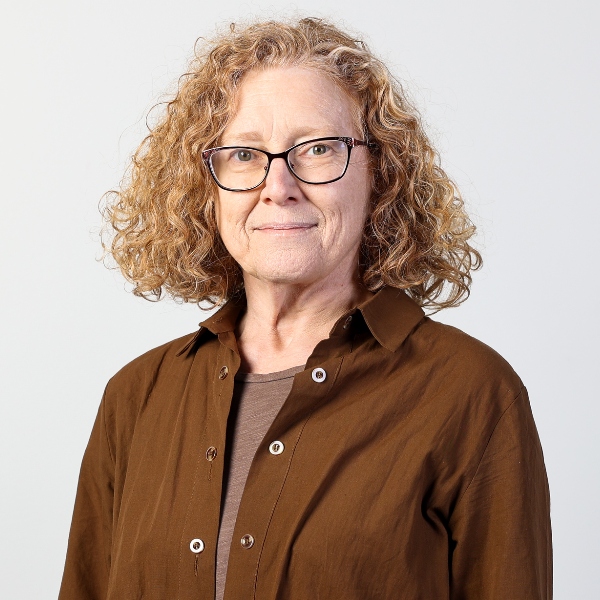
Each of our full-time faculty members offers perspectives on critical issues in society, including grief, social justice, race, gender, religion, and political violence.



Outside the Classroom
To understand why people behave the way they do, you have to authentically connect with them in their environment. As a student in Drake’s Sociology program, you’ll put classroom lessons to work in the real world, as you conduct research, complete internships, and engage with the Des Moines community.

Research
Our students have published original research in the Drake University Social Science Journal, participated in national competitions for the American Sociological Association Honors Program, and presented at the Midwestern Sociological Society’s Annual Meeting.
Community Engagement
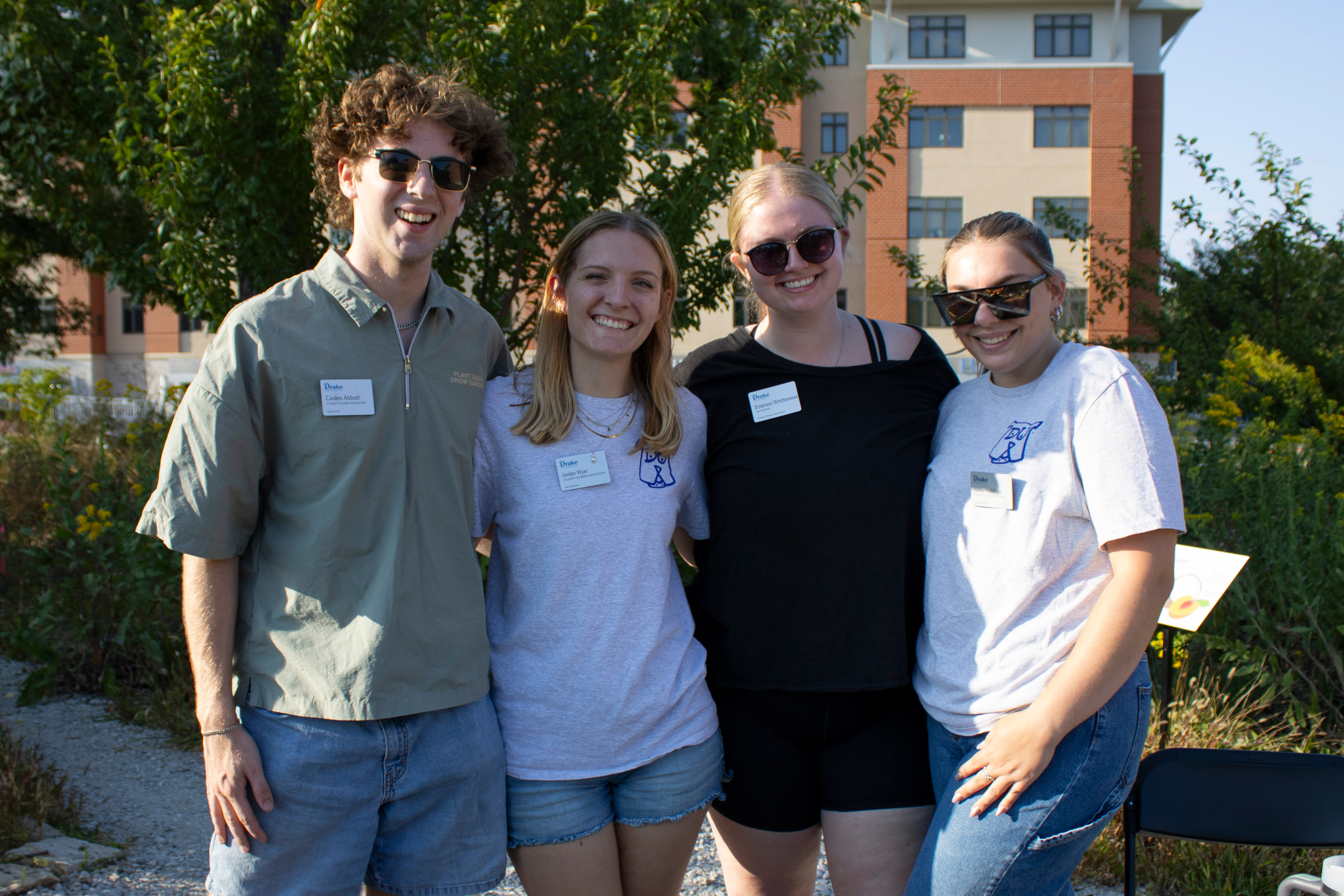
Drake students have observed juvenile and adult courts, volunteered at homeless shelters, and interviewed low-income mothers who lost jobs during the COVID-19 pandemic—work that will be part of a book to be published in 2026. Students also have opportunities to critically engage with people’s lives through in-depth interviewing, often drawing on interviews to create digital video projects for public education.

Homeward Iowa
Sociology students and faculty have collaborated with this nonprofit organization to compile a comprehensive study on homelessness in the Des Moines metro area.
Publications and Competitions
Exceptional Sociology students can vie for the Lewis J. McNurlen Scholarship, given to a junior, and the McNurlen Award, open to seniors.

Internships
See how policies affect people through internships at law offices, social service agencies, probation offices, mental health treatment centers, homeless shelters, domestic violence centers, or human resources offices.
Student Organizations and Honors Societies
Sociology majors can participate in state, regional, and national academic associations. Qualified students can join Alpha Kappa Delta, a national collegiate anthropology honors society.
Take the Next Step
Sociology gives you the keys to understanding the social forces that shape our world—and to do something about them. Learn more.