Student Involvement & Engagement
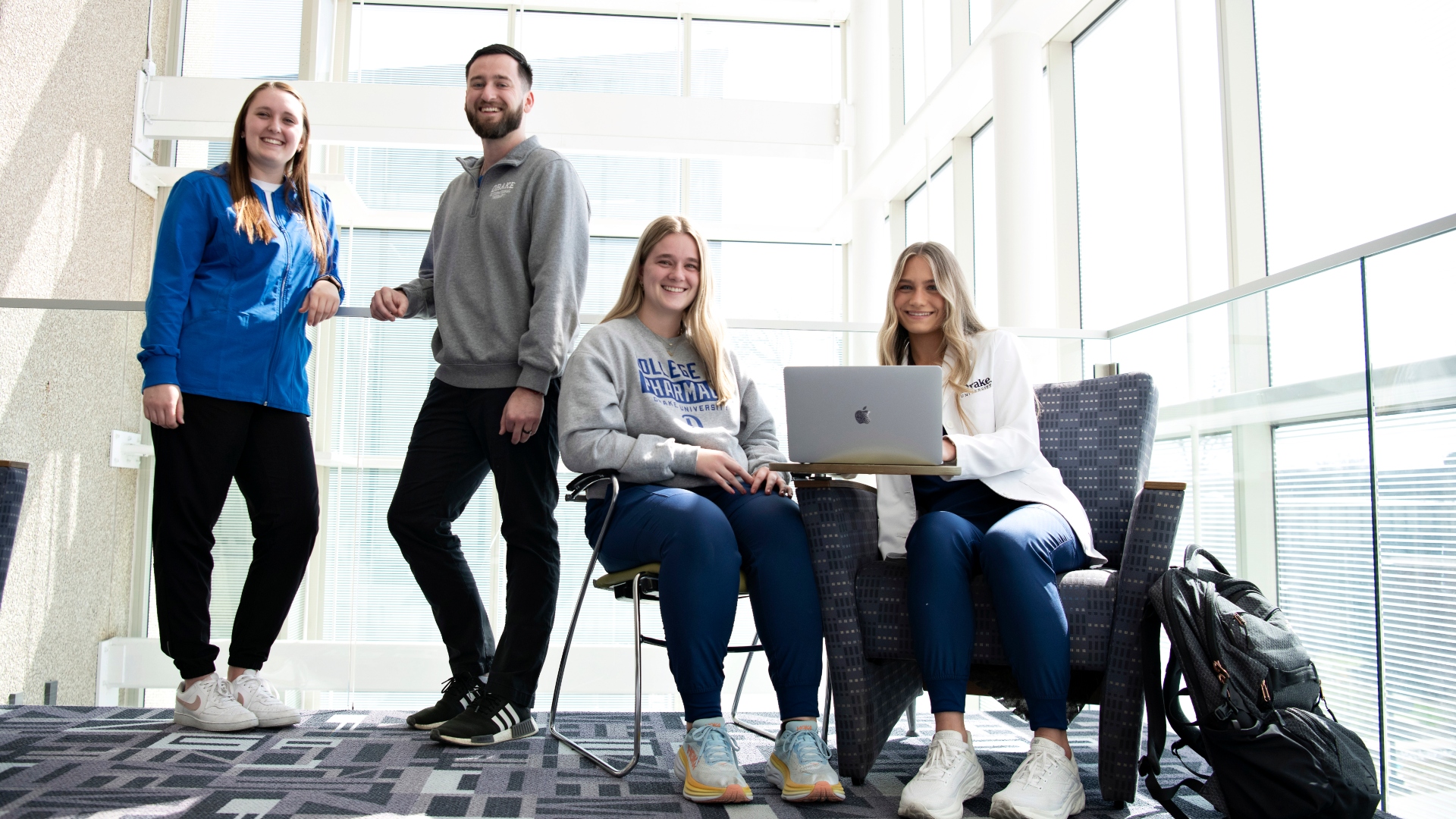
Your Drake experience is about so much more than a degree. Get involved in student organizations and take advantage of leadership opportunities within the College of Pharmacy and Health Sciences.

Leaders in Action
CPHS students who are involved in clubs or organizations build networks and make memories that last far beyond their time at Drake. Their service and leadership make campus a better place.
Student Organizations
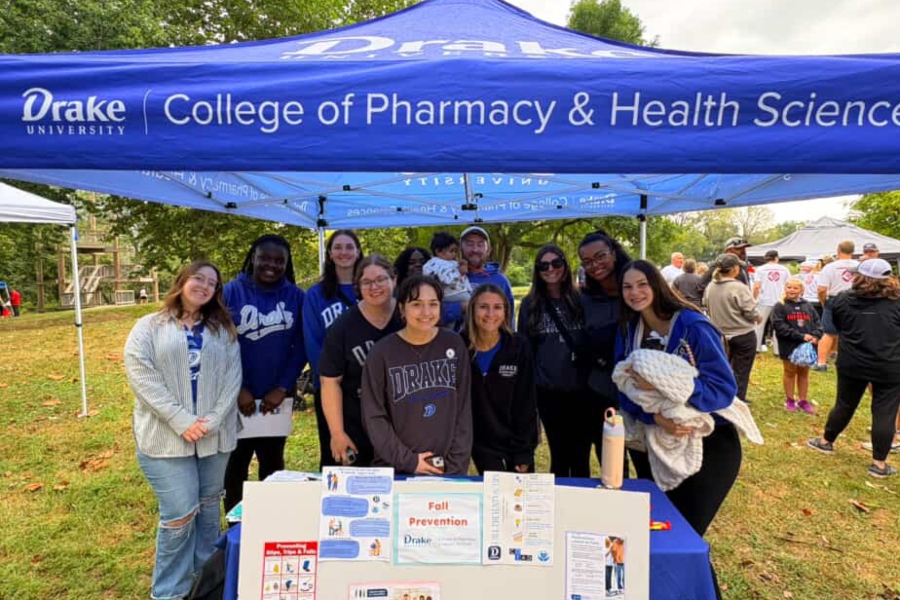
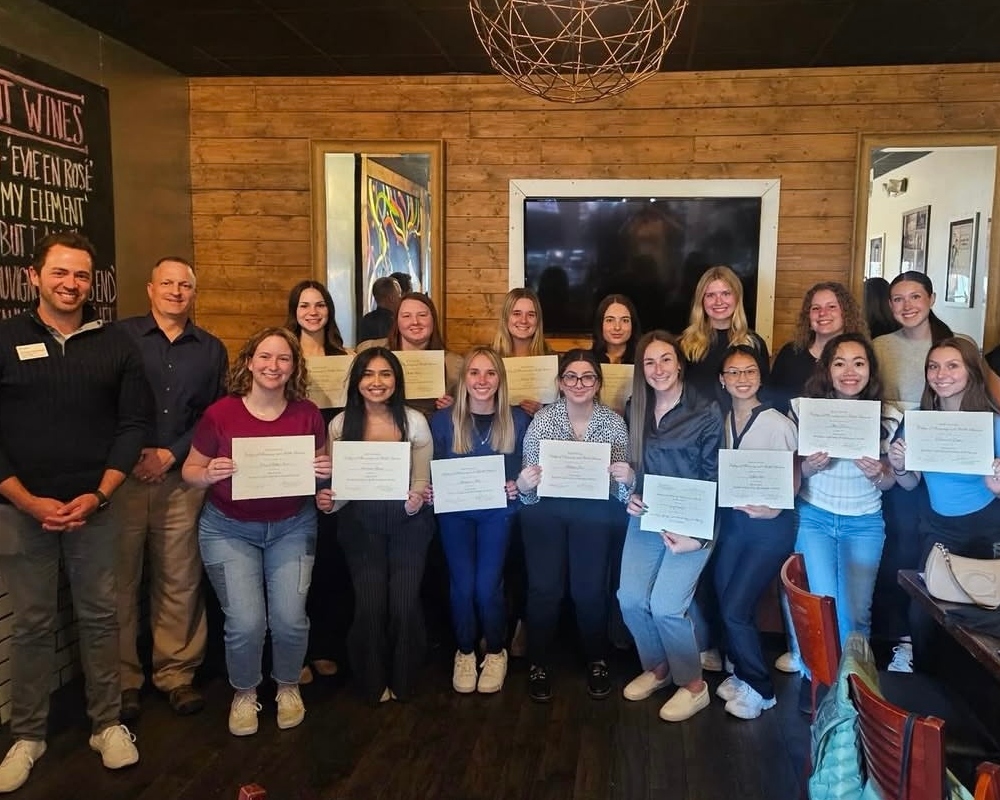
No matter your interests, background, or area of study, there is a student organization where you belong. Explore the many healthcare-related organizations within CPHS or look beyond to Drake's extensive list of registered student organizations to find your community.
Health Sciences Student Organizations
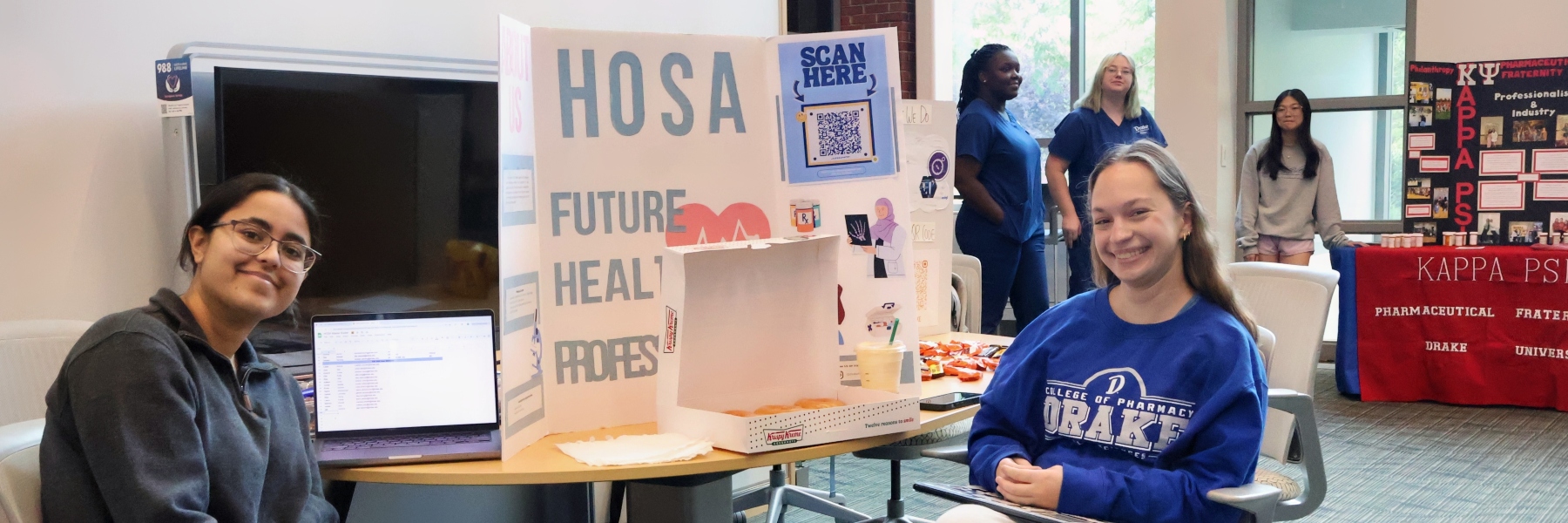
The purpose of Drake HOSA lies in the professional advancement of the students within the Health Sciences major and/or students interested in a healthcare career. Students do not need to be Health Sciences majors in order to be an active member of the organization. Opportunities within HOSA include leadership positions, volunteering, networking, and potential internships.
Occupational Therapy Student Organizations
The Drake COTAD chapter is established under the National COTAD Organization. COTAD is a multifaceted student organization whose mission is to promote in the field of occupational therapy a future that is inclusive, accessible, and effective for all by doing work in justice, equity, diversity, and inclusion as it is applicable at all levels of healthcare. The Drake University COTAD chapter will strive to promote diversity and inclusion within the Drake OTD program, CPHS, and in the Drake community. The chapter will create opportunities and resources to foster open conversation and increase awareness about different lived experiences to increase cultural humility.
DUSOTA is an organization whose mission is to enhance the field of occupational therapy through professional development, education, community, and social activities. The organization builds community through mentoring, networking opportunities, and social events for Pre-OT and OTD students as well as practicing occupational therapists. They participate in community service learning, fundraise for charitable organizations, and engage in other philanthropic opportunities. They strive for public recognition of occupational therapy as a profession at the university, local, state, and national levels.
Pi Theta Epsilon is an honor society that recognizes excellent scholarship among occupational therapy students. The goal of Drake's Epsilon Lambda chapter is to promote research, scholarly activities, and collaboration between OT students, alumni, and the public through activities such as guest speakers, lunch and learns, and CEU courses.
Pharmacy Student Organizations
DRxUGS is the umbrella organization for all of the pharmacy national organization chapters at Drake. This group, open to all students in the pharmacy program, was established in 2000. Student members are also members of the Iowa Pharmacy Association (IPA) as well as select members in one the following national organizations:
Academy of Managed Care Pharmacy (AMCP)
- Drake's AMCP chapter is for students interested in managed care. There are several leadership opportunities within this organization.
American Association of Pharmaceutical Scientists (AAPS)
- The mission of AAPS is to advance the capacity of pharmaceutical scientists to discover, develop, and commercialize products and therapies that improve global healthcare.
American Pharmacists Association - Academy of Student Pharmacists (APhA-ASP)
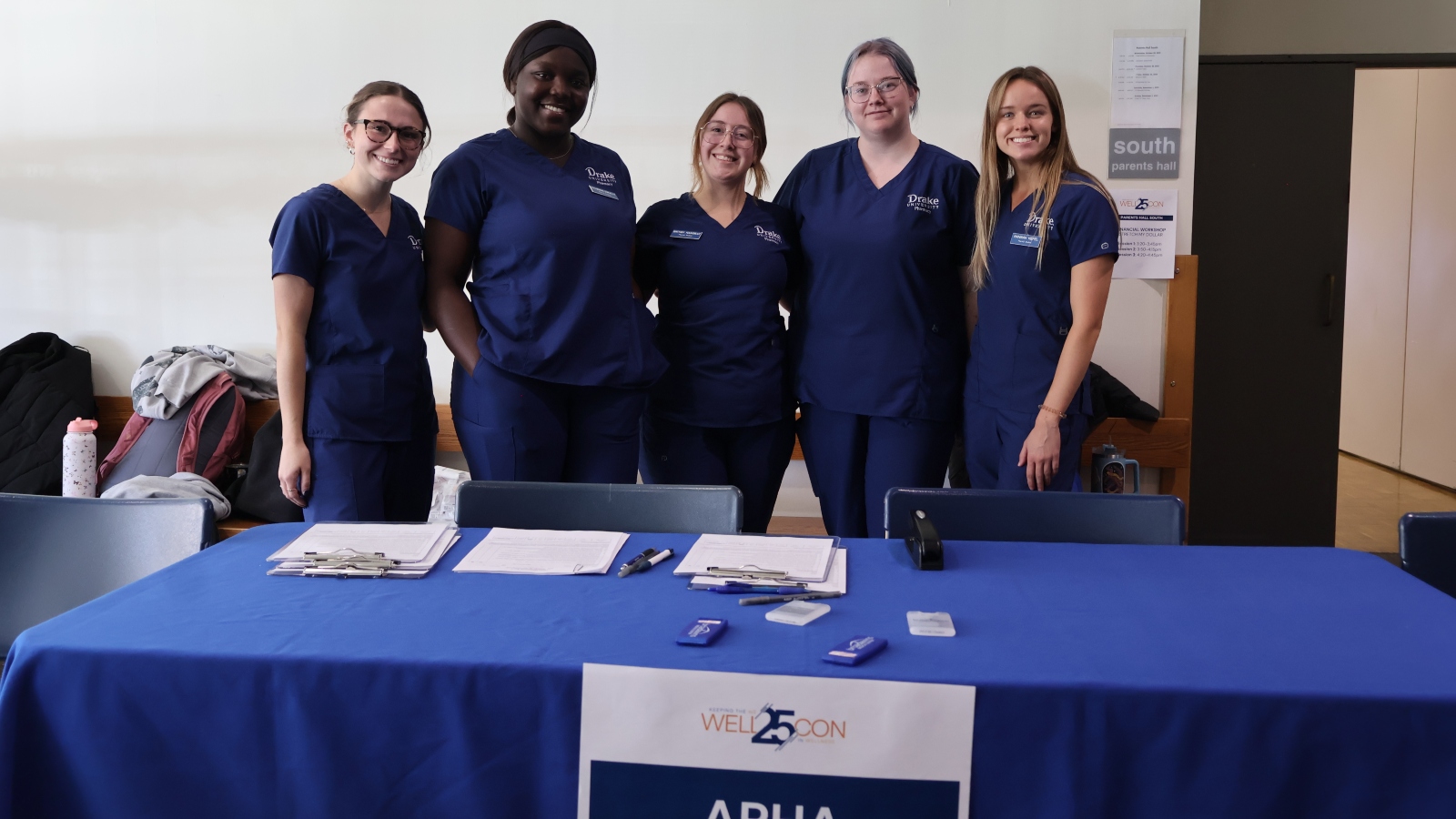
- The mission of the APhA is to be the collective voice of student pharmacists, to improve patient care, and to advance the future of pharmacy.
Email: apha@drake.edu Instagram: @drakeapha
American Society of Consultant Pharmacists (ASCP)
- ASCP is a professional organization that provides education, advocacy, and resources to advance the practice of senior care pharmacy. Opportunities for members include leadership roles, elder care pharmacist lectures, and collaboration with other organizations for vaccination clinics and health screenings.
- ASHP is a nationally recognized organization designed to equip future and current clinical pharmacists with all the skills needed to accomplish their clinical pharmacy goals. This is an excellent organization for students who are interested in a residency and/or clinical pharmacy occupation.
Christian Pharmacists Fellowship International (CPFI)
- CPFI is a worldwide group of individuals seeking to serve Christ and the world through pharmacy. At Drake, CPFI provides a grab-and-go breakfast during finals week, hosts a speaker each semester, and volunteers with Free Clinics of Iowa at Christ the King. Their core values are Godly encouragement and fellowship, spiritual growth, evangelism, faith in practice, service and outreach.
National Community Pharmacists Association (NCPA)
- Drake's NCPA chapter allows passionate pharmacy students to learn about different aspects of pharmacy.
Kappa Psi is the oldest and largest professional pharmaceutical fraternity in the world, founded at the New Haven Collegiate and Commercial Institute in 1879. Drake's local Beta Chi chapter was installed at the Des Moines College of Pharmacy in 1930 and transferred to Drake in 1939. The group values professionalism, leadership, and community service in addition to social events - all of which are essential to the growth and development of aspiring pharmacists.
Phi Delta Chi is a national professional pharmaceutical fraternity founded at the University of Michigan in 1883. The local Psi chapter was authorized at Des Moines University in 1921, transferred to Des Moines College of Pharmacy in 1928, and then to Drake in 1939. The group was established to advance the science of pharmacy and promote brotherhood among its members.
Phi Lambda Sigma is a national pharmacy leadership society for pharmacy students who have displayed leadership qualities and have been recognized for those qualities by their peers. The Drake University Alpha Upsilon chapter was established in 1992 with a mission to support pharmacy leadership commitment by recognizing leaders and fostering leadership development. Membership nominations and selections happen every year in the spring semester.
Rho Chi is a national honor society organized to promote the advancement of pharmaceutical sciences. The society was founded at the University of Michigan in 1922. The Alpha Sigma chapter was established at Drake in 1951. Eligible for membership are students who have completed 60% or the equivalent of no fewer than 75 credit hours required for graduation and who are in the top 20% of their class academically. The group strives to empower academic excellence and leadership in pharmacy.
Leadership Opportunities
Student leadership is a valuable asset in the College of Pharmacy and Health Sciences. CPHS offers several opportunities for students to make an impact while developing crucial professional and life skills.
Student Government
Student Governance Association (SGA) delegates function as the College's student government. Elected representatives meet with the Dean and Assistant Dean of Student Affairs on a regular basis during the academic year to enhance communication between students, faculty, and administration; provide feedback regarding College initiatives; share student needs with College administration; promote student professional development; and discuss other matters of general concern to the CPHS student body.
Each spring semester, students from each class select two class representatives to serve on the council for the next academic year. Pre-Pharmacy and P1 student representatives are nominated and selected at the beginning of the fall semester. In addition, the College-elected representative to the University Student Senate serves as a member of the council. The Dean and Assistant Dean of Student Affairs serve on this committee as ex-officio members.
College Committees
This committee reviews new courses, changes in courses, and suggestions for curricular changes before forwarding those to faculty for approval.
This committee determines admission criteria and makes admission decisions for the P1 class.
This committee is responsible for reviewing all of the data that CPHS collects to help the College show that programs are achieving their goals.
This committee makes recommendations regarding ways to promote and achieve the College's DEI goals by educating and informing the College community about best practices and innovative methods for cultivating a safe, diverse, equitable, and inclusive environment.
This committee deals with issues that impact student experiential learning in CPHS.
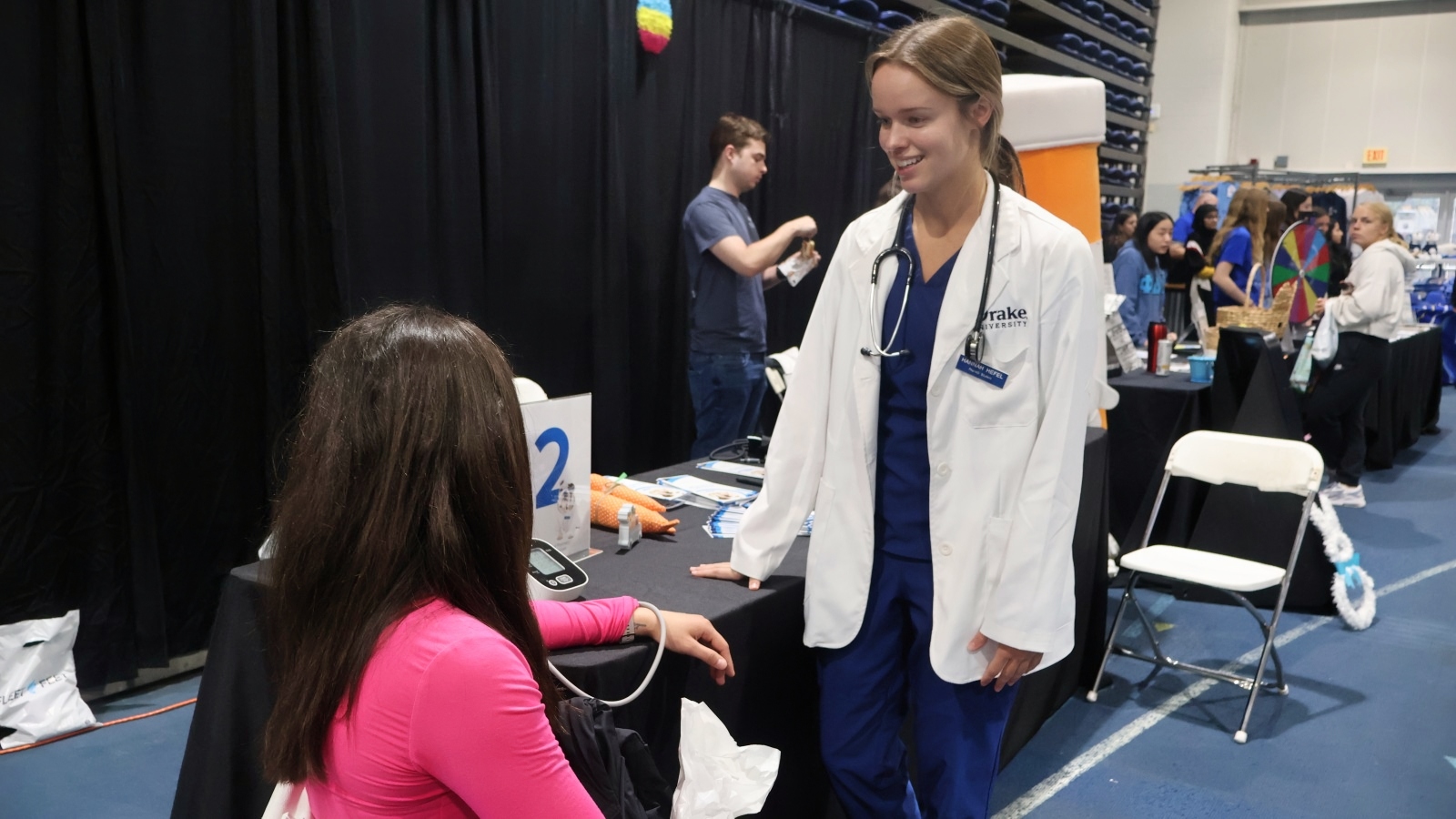
Health Professions Day is an annual one-day event planned by CPHS students on this committee. Guest speakers present lectures on various contemporary pharmacy and health science issues. Students have the opportunity to join the committee each fall and serve as a committee chair or member.
This committee of students and faculty determine whether academic integrity and/or professionalism violations have occurred and impose penalties for violations. Members are selected according to the policy.
This committee deals with issues that impact students. Discussion topics include advising, career counseling, and/or student policies (Honor Code, Electronic Communications, etc.).
CPHS Ambassadors
The goal of the CPHS Ambassadors is to promote the College to students, faculty, alumni, and business partners with a focus on collaborative efforts within the College for the overall advancement of the college and its programs. Some of the things CPHS Ambassadors do include hosting Wellness Weeks, holding student panels, helping with graduate program interviews, giving prospective student tours, and participating in the Festival of Trees each holiday season.
Student Leadership Development Series
The Student Leadership Development Series (SLDS) is designed for student leaders within CPHS. The series consists of small group activities and discussions, guest speakers, the development of a leadership platform, and the completion of a leadership project. Through these activities, students develop core competencies identified as essential leadership skills and qualities for healthcare professionals.