Environmental Sustainability and Resilience Major
See the big picture, and make it greener and more adaptable, in a program focused on improving the world we live in.
College of Arts & Sciences | On-Campus
Program Options
All of our Environmental Science and Sustainability programs prepare you to solve problems that are still years away. We can’t predict the future, but we can give you the critical-thinking skills needed to adapt to new challenges.
B.A. in Environmental Sustainability and Resilience
This major features core courses in areas central to the field, including environmental science, biology, geology, sociology, and economics. The program is ideally suited to double majors, who often find their fluency in another discipline only enhances their understanding of this one.
Environmental Sustainability and Resilience Minor
Complement your major with additional study in this interdisciplinary minor. Address fundamental concepts in choice analysis, systems thinking, stakeholder engagement, and professional skills through core classes and electives.
STEM Undergraduate Research Scholar Concentration
Pursue meaningful undergraduate research and work closely with faculty mentors through the STEM Undergraduate Research Scholar Concentration. This transcript-recognized program combines hands-on research, skill-building coursework, and a capstone presentation to help you develop expertise in research, analysis, and communication.
Careers & Skills
The Environmental Sustainability and Resilience major focuses on outcomes, meaning that it is driven less by a set curriculum and more by your own professional goals.
With your advisor and other department faculty, you’ll discuss where and how you intend to leverage your knowledge. At the same time, our commitment to the liberal arts means you’ll graduate well-rounded in writing, problem-solving, and interpersonal relationships, all of which will benefit you regardless of the path you choose.
When you do enter the job market, you’ll likely notice above-average demand for the skills and perspective you possess—due, in no small part, to growing efforts for sustainable communities, business operations, and resource management.
Opportunities
- Communication
- Environmental consulting
- Environmental education
- Environmental law
- Field sampling
- Grant writer
- Hazardous waste management
- Regulatory enforcement
- Resource conservation
- Urban and regional planning
Skills
- Choice analysis: Learn to identify, analyze, and communicate the impacts of collective and individual choices on environmental, economic, and social systems.
- Systems thinking: Employ whole-systems thinking to understand the nature of sustainability and resilience challenges and to design successful responses.
- Stakeholder engagement: Learn to communicate with various audiences and integrate multiple perspectives into solutions that address local political, social, and economic concerns.
- Professional skills: Develop skills needed for employment or graduate study in fields related to environmental sustainability and resilience.
Salary & Growth Outlook
Median salary for urban/regional planners in 2025. (U.S. Bureau of Labor Statistics)
Meet the Faculty
Environmental sustainability and resilience involves far more than just science, and that’s reflected in our faculty’s broad expertise. Many have joint appointments with other departments and will help you tailor your academic experience to meet your professional goals.







Keith Summerville
Professor, Environmental Science; Department Chair, Environmental Science and Sustainability; Paul and Claudia Schickler Executive Director of the Jay N. Darling Institute
Outside the Classroom
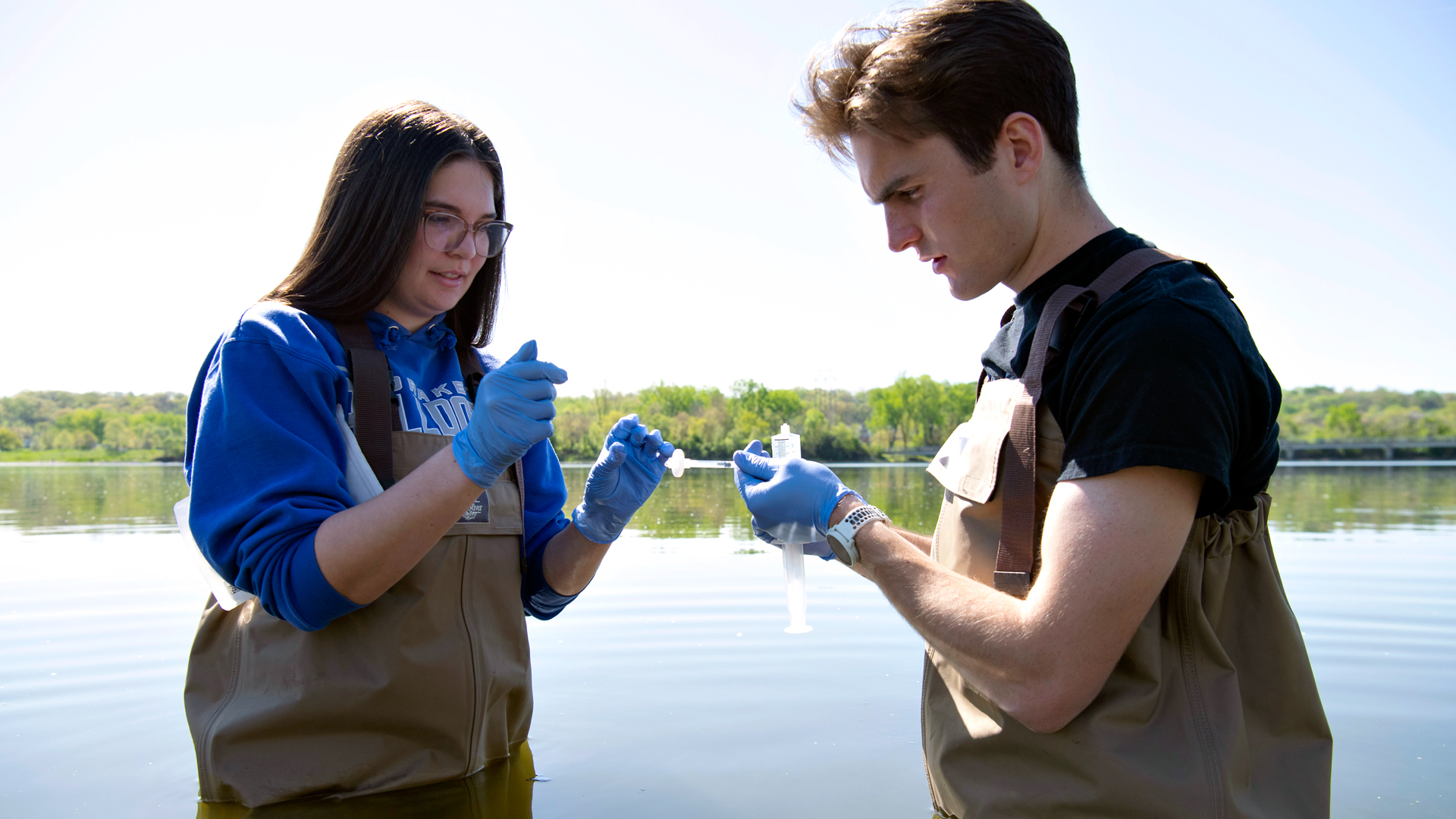
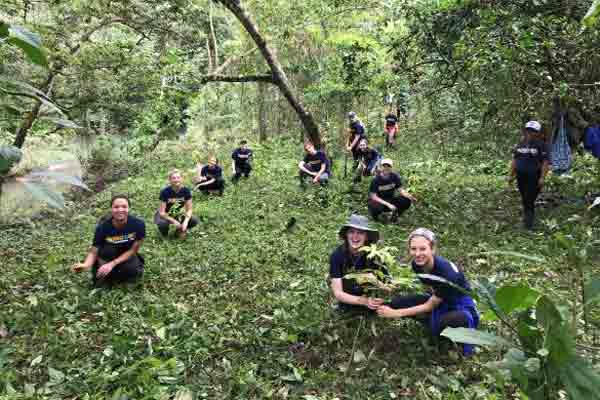
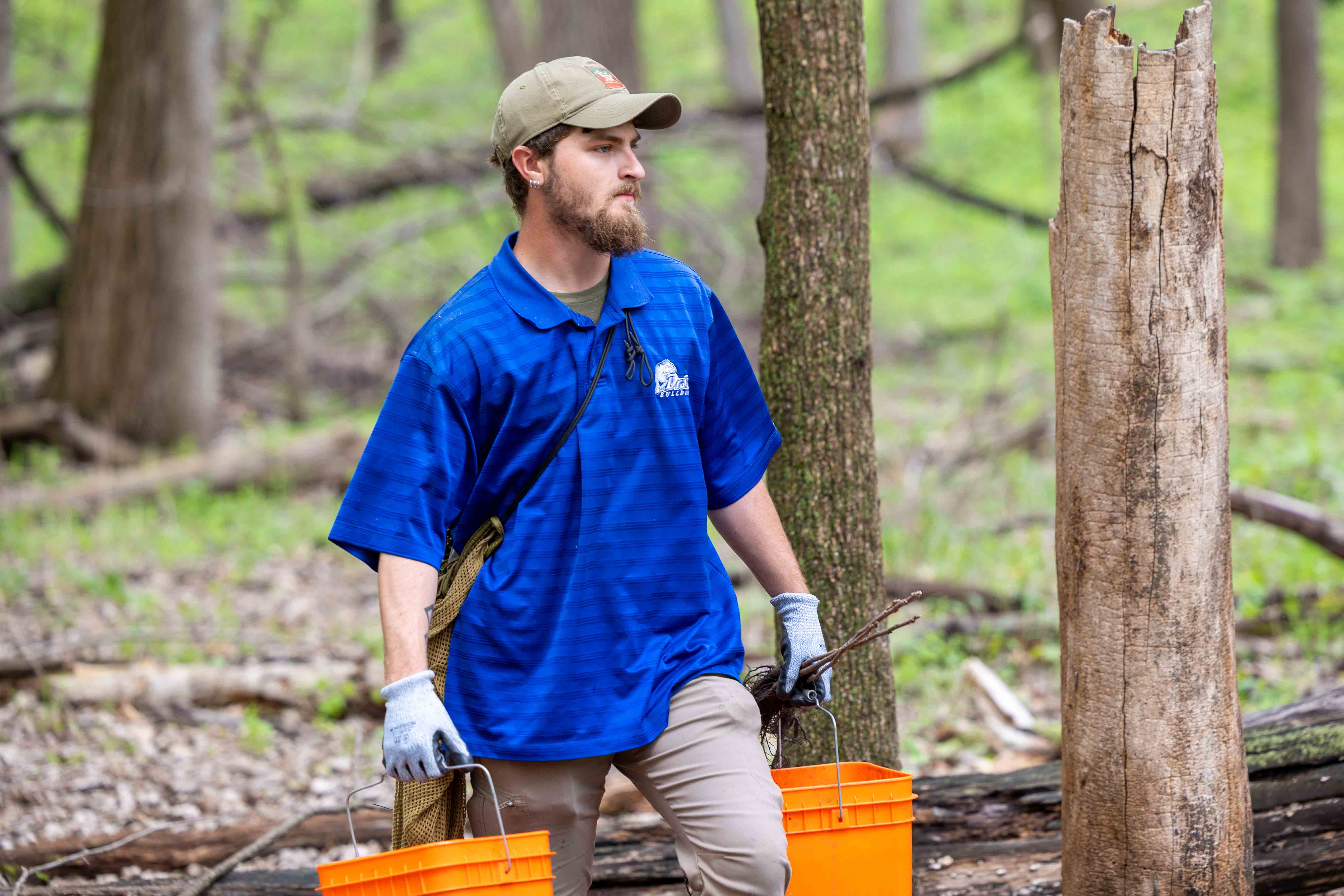
Field-based discovery is an essential part of everything we teach, from your first-year learning requirements to your senior project management capstone. You’ll work with plants, animals, ecosystems, and community members, getting experience that brings classroom lessons into crystal-clear focus.
Internships
As a student in Des Moines, Iowa’s capital city, you’ll have easy access to paid internships with governmental agencies, advocacy organizations, businesses, and environmental consulting firms.
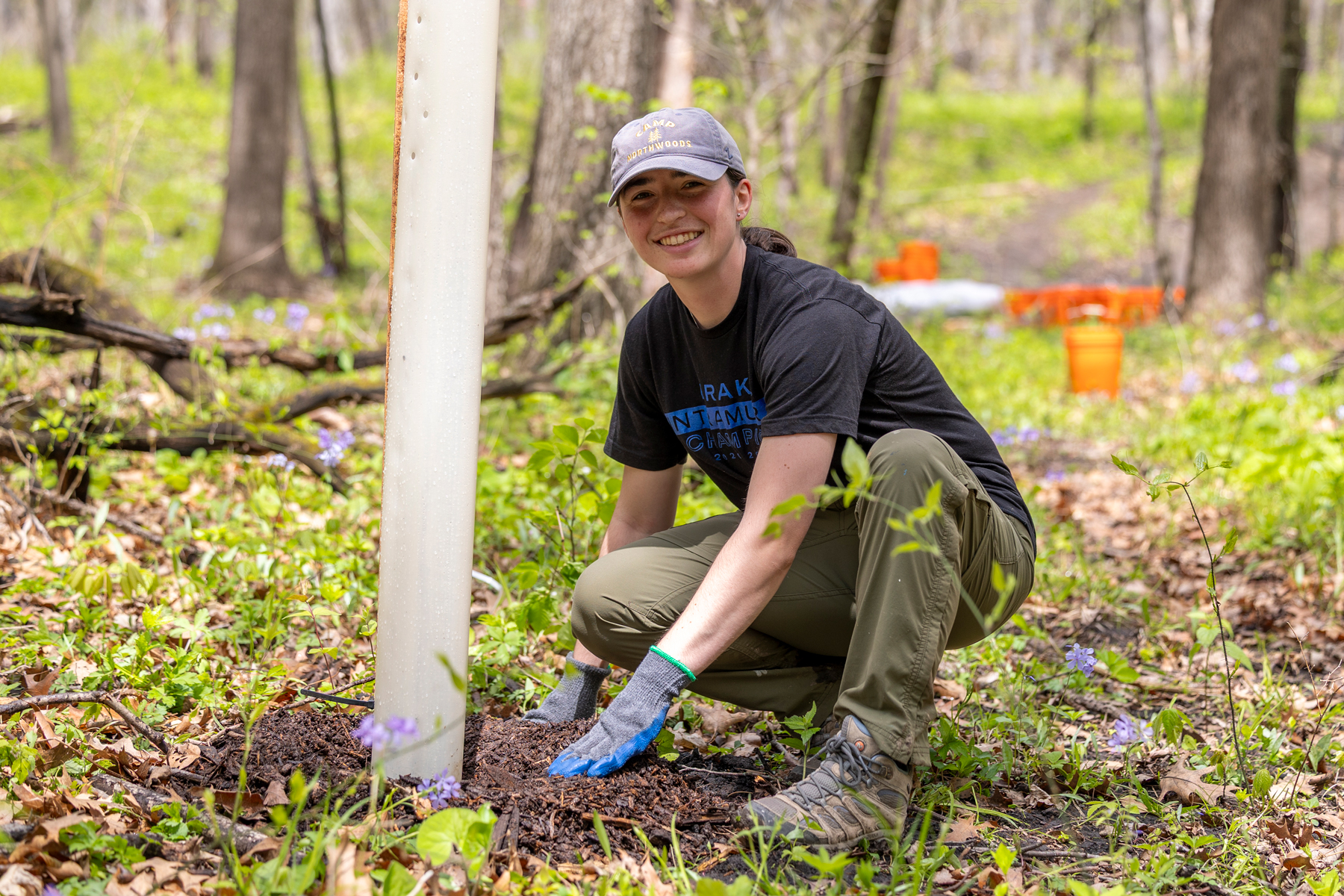
Problem Solving and Case Analysis
Focus on theory before understanding how it applies in the real world. You’ll see how local, national, and international cases have unfolded and consider alternate ways of solving those problems, relying on the same data.
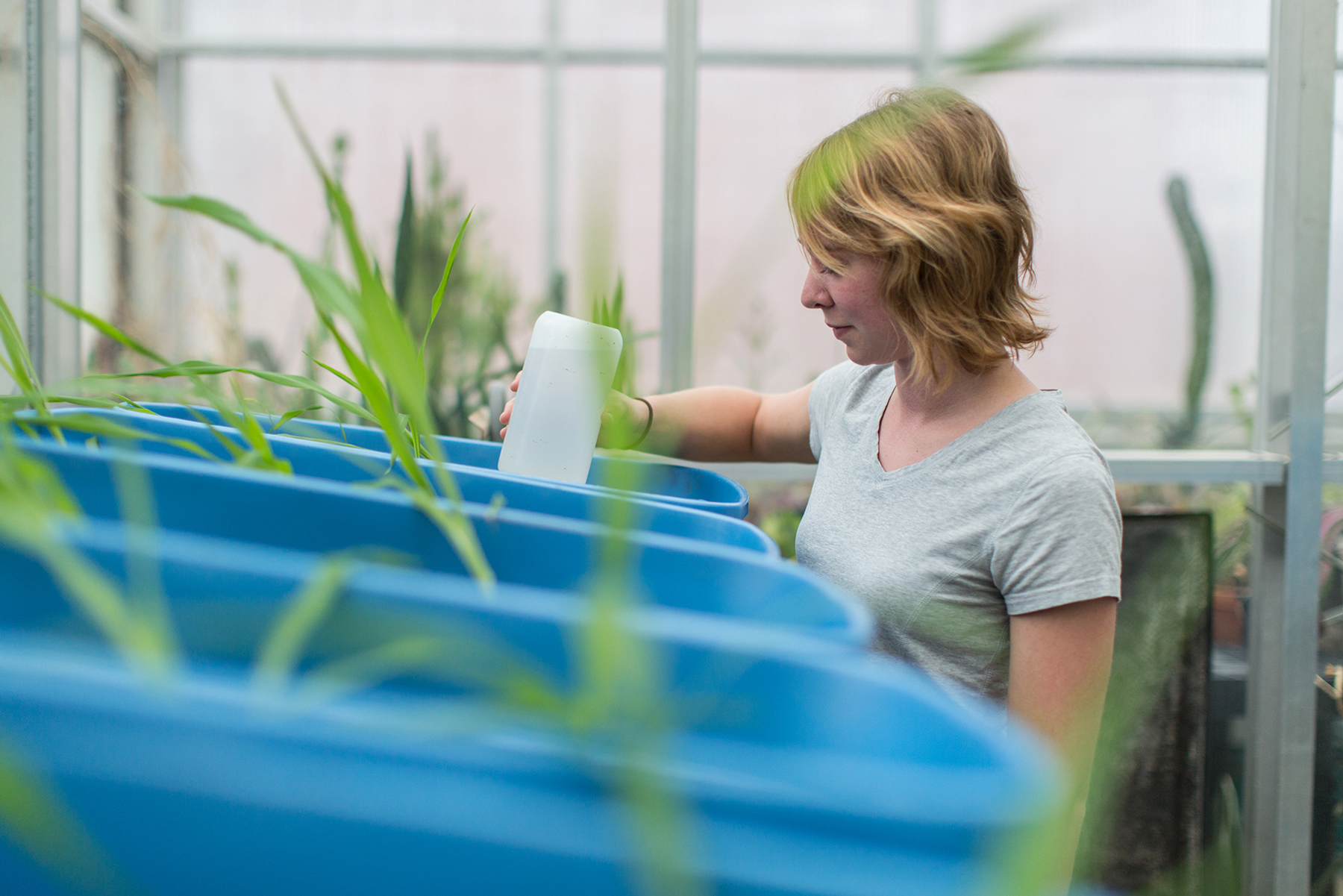
Data Collection and Analysis
During your junior year, you’ll create a climate footprint for the university and build a sustainability blueprint for part of campus using data you collect yourself.
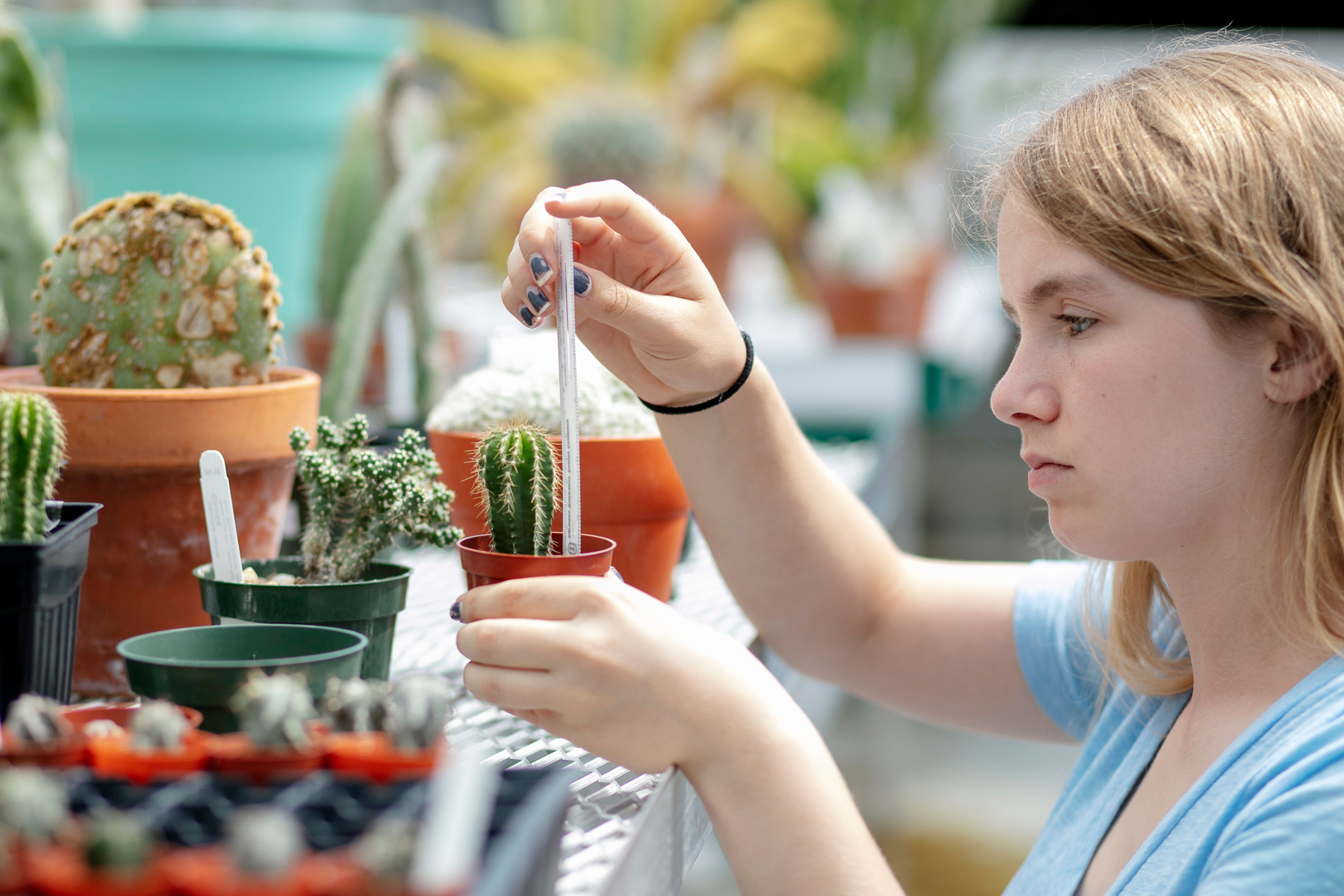
Capstone
Solve real problems for external clients in an intensive culminating project. In the past, students have developed a net-zero plan for the Des Moines Arts Fair and a stormwater management strategy for a local community.
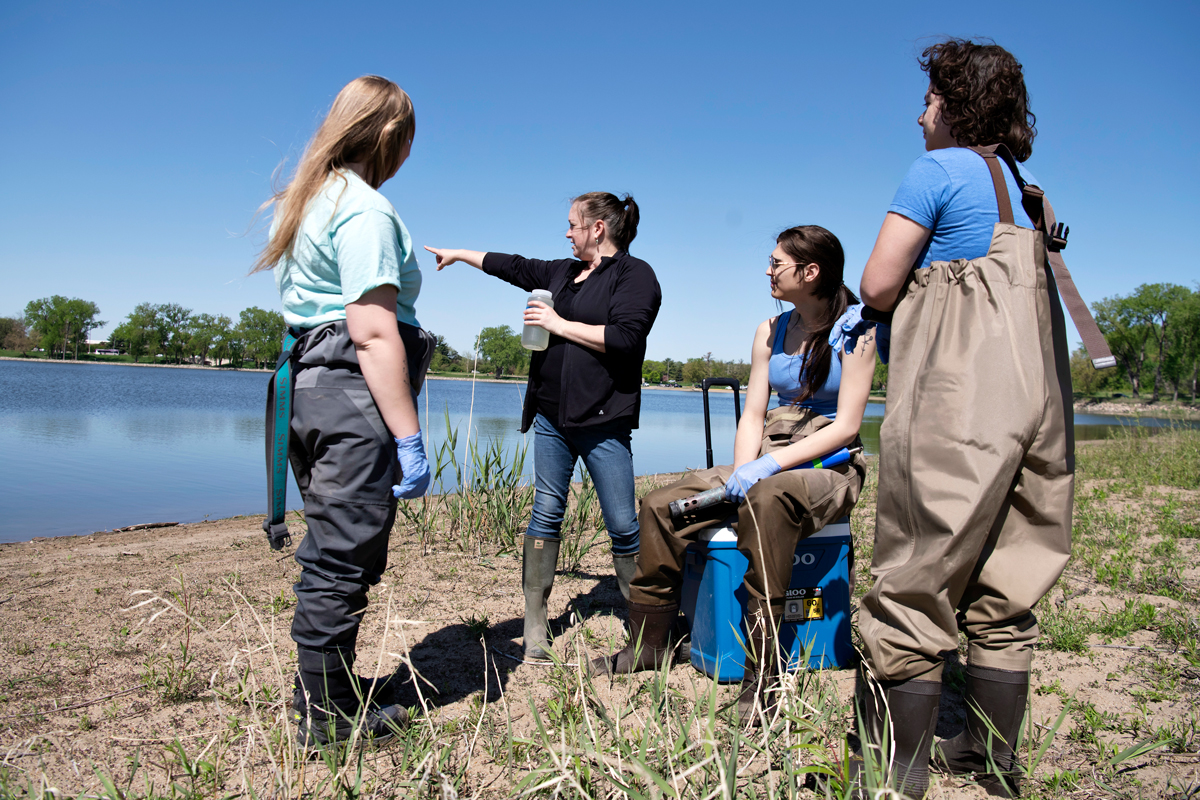
Research
Whether you develop your own project or collaborate with a faculty member, research opens the door to new knowledge. Drake students have improved chimpanzee conservation in Rwanda and stream habitats in urban areas.
Student Organizations
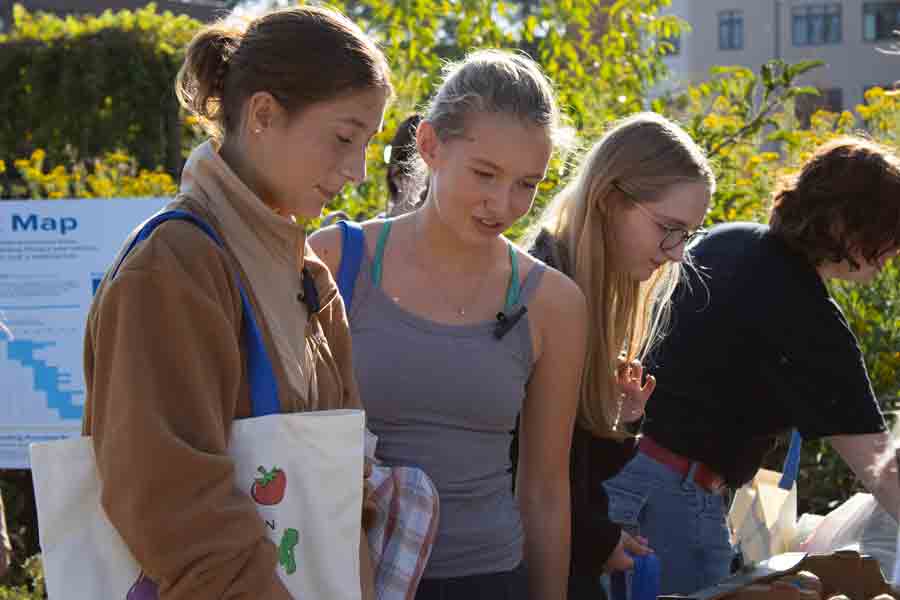
Explore the field, complete service projects, and build your professional network through groups such as the Drake Environmental Action League (DEAL), the Outdoor Leadership Club, and Epsilon Eta, a professional fraternity.
Take the Next Step
Learn to manage resources responsibly, embrace stewardship, and help organizations enhance the world around them in Drake’s Environmental Sustainability and Resilience major.