Biochemistry, Cell, and Molecular Biology Major
Build a career where biology and chemistry meet in this in-demand major.
College of Arts & Sciences | On-Campus
Program Options
One of the most notable aspects of the BCMB program is its strong core curriculum and its flexibility with upper-division courses: our graduates embark on careers in the lab, working with people, in management, and in regulation. Here’s how you’ll start on these paths:
B.A. in Biochemistry, Cell, and Molecular Biology
This program meets the needs of students whose interests are geared more toward biology and whose career goals mix science and another field, such as medicine, bioinformatics, forensics, management, marketing, education, public relations, biophysics, molecular-based research, or biotechnology law.
B.S. in Biochemistry, Cell, and Molecular Biology
Intended for students whose interests are geared more toward chemistry and lab-based careers, graduate work in molecular life sciences, or entering the health professions, the B.S. program offers in-depth scientific instruction that points to diverse directions: medicine, biotechnology, or pharmaceuticals, to name a few.
Pre-Professional Programs
The BCMB degree is an ideal lead-in to post-graduate programs in medicine, including MD, DO, PA, DDS, DVM, nursing (including a 3+1 Bachelor of Science in Nursing program at Drake), and for many other healthcare occupations. We’ve developed a series of pre-professional guides to help you stay on track to fulfill application prerequisites for your chosen path.
STEM Undergraduate Research Scholar Concentration
Pursue meaningful undergraduate research and work closely with faculty mentors through the STEM Undergraduate Research Scholar Concentration. This transcript-recognized program combines hands-on research, skill-building coursework, and a capstone presentation to help you develop expertise in research, analysis, and communication.
Careers & Skills
The Biochemistry, Cell, and Molecular Biology major prepares you for a career in a wide range of fast-growing fields—some of which are still taking shape. Our graduates pursue laboratory and other roles in the molecular life sciences, begin graduate work in the health professions and advanced sciences, or leverage their scientific knowledge for careers in education, agriculture, compliance, business, or informatics.
Regardless of the path you choose, your skills will be in demand. The Federation of American Societies of Experimental Biology projects thousands of unfilled science and engineering jobs over the next 20 years, most of which will be in biochemistry and molecular biology.
Careers
- Medicine
- Biotechnology
- Bioinformatics
- Forensics
- Pharmaceutical research and development
- Science education
- Clinical research
- Academic research
- Law
- Education
- Food science
- Biomedical engineering (3+3 program with Washington University)
Skills
- Research experience
- Critical thinking, communication, and interpersonal skills
- Teamwork and collaboration
- Professional development
- Marketable experience with the latest laboratory techniques
Salary & Growth Outlook
Salary range for careers with a BCMB bachelor’s degree in 2024 was $50-$90K (U.S. Bureau of Labor Statistics)
Meet the Faculty
The BCMB program is taught by faculty from Drake’s Chemistry and Biology Departments, all of whom have doctoral degrees in their fields. They’re not just teachers—they’re also active researchers who work in the fields of analytical chemistry, organic synthesis, protein structure and function, virology, genetic disease, and science education.
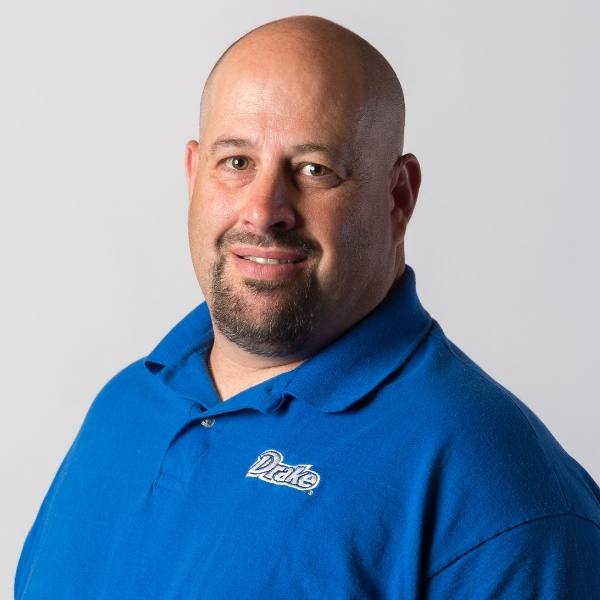


Adina Kilpatrick
Associate Professor, Biophysics; Associate Dean, Biology
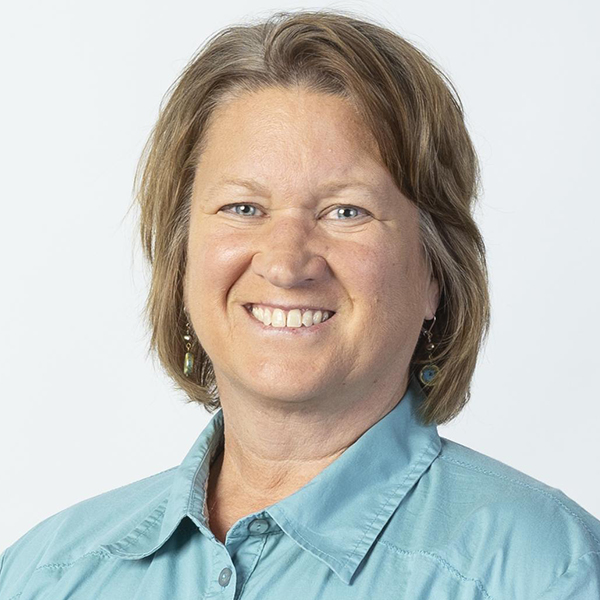

Ryan Sturms
Assistant Professor, Chemistry; Department Co-chair, Chemistry and Physics

Outside the Classroom
For all BCMB-related careers, research and other hands-on practice help develop the problem-solving, observation, and collaborative skills that employers crave. At Drake, you’ll access numerous opportunities to gain those kinds of experiences.

Research
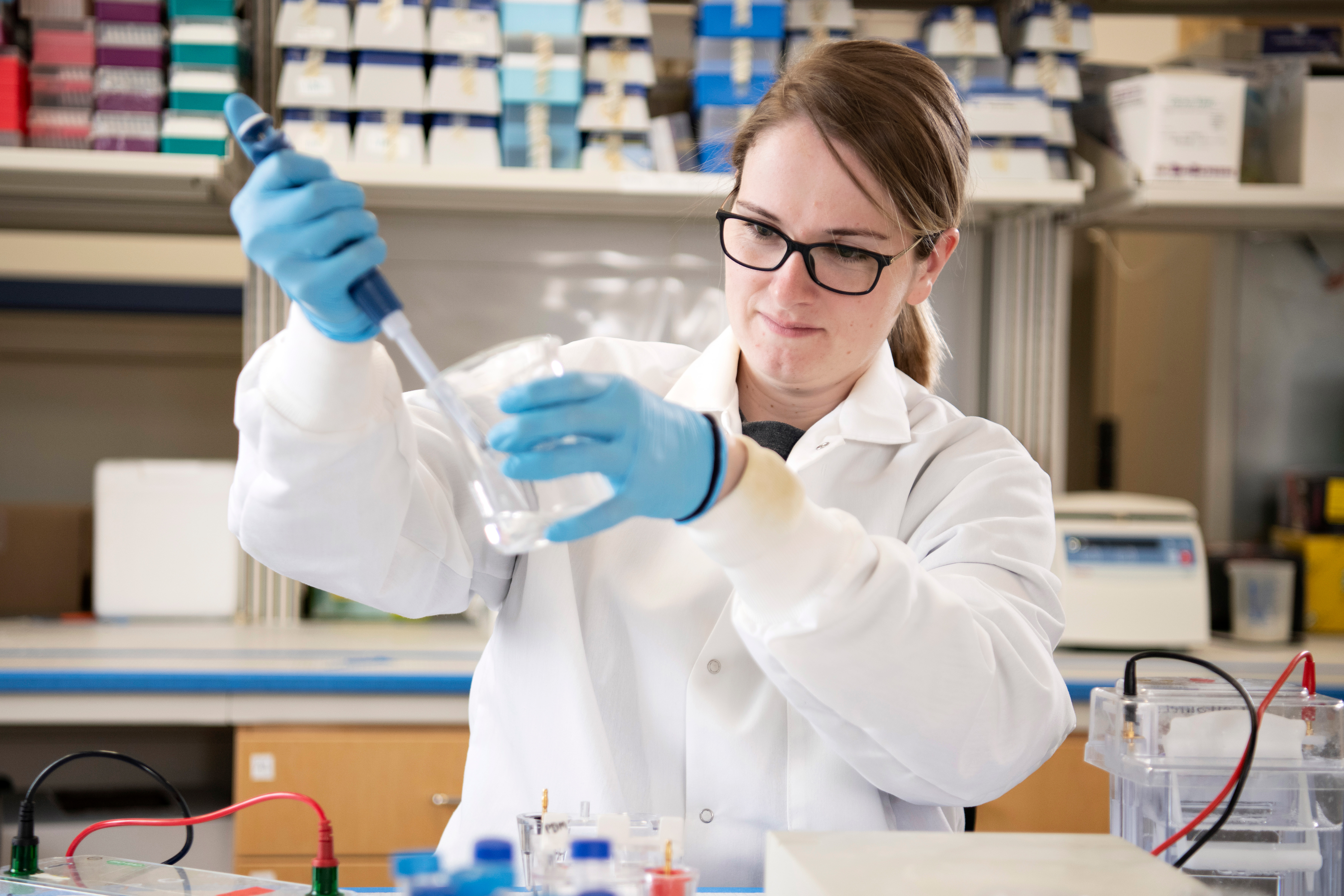
On campus, with partnering organizations, and through summer programs, you’ll play an active role in research on up-to-date subjects, including genetic diseases, effects of endocrine disruptors, virology, protein structure and function, and organic synthesis of bio-mimicking molecules.
Internships
Ongoing relationships with local faculty and biotech have enabled students to get internships (many paid) during the school year and in the summer.
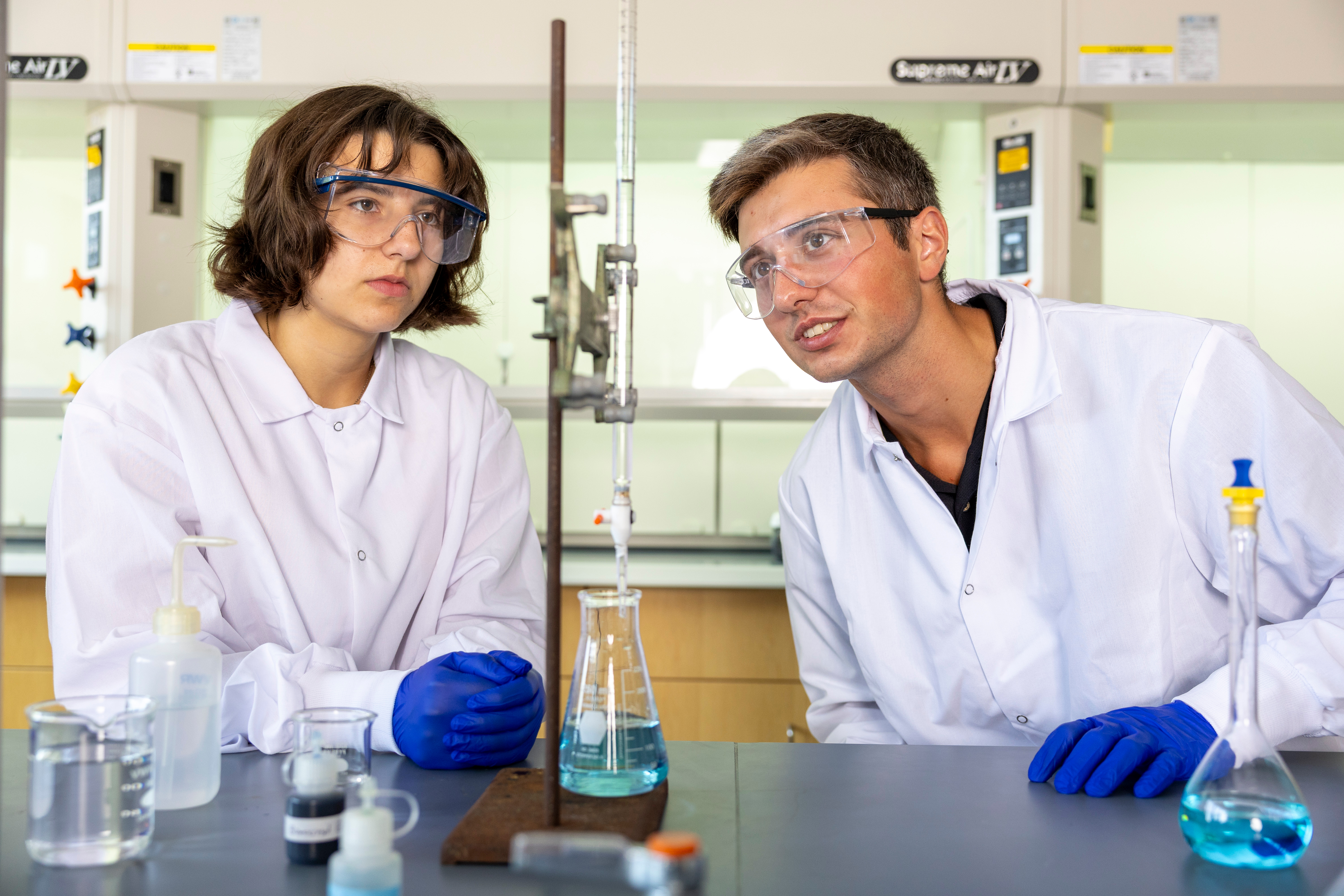
Student Organizations
Stay up-to-date on industry trends and build your professional network when you become a student member of the American Chemical Society (ACS) or the American Society for Biochemists and Molecular Biologists (ASBMB).
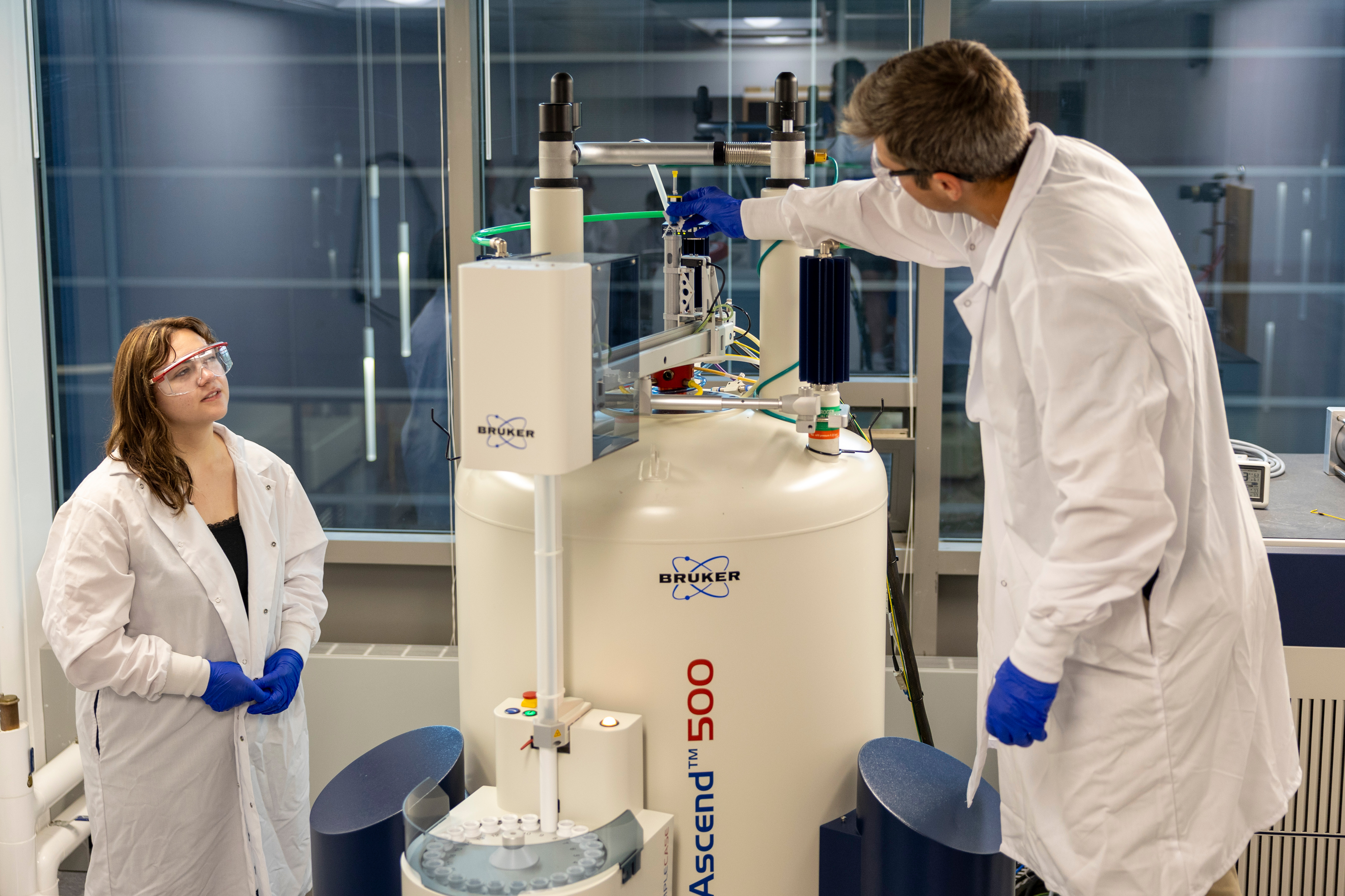
Off-Campus Collaborations
Drake students often participate in research at regional laboratories such as Corteva and Des Moines University and in summer projects at national institutions.
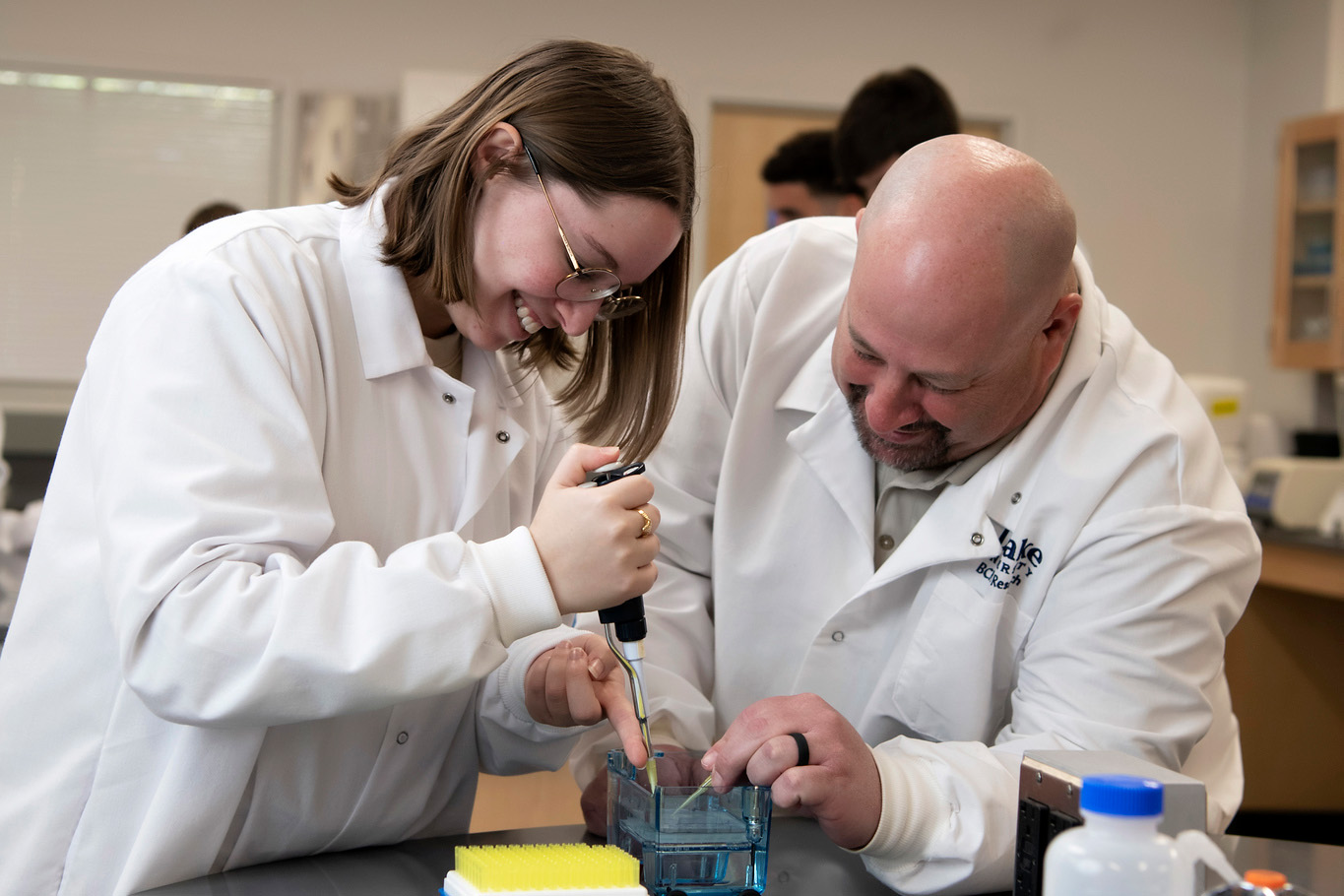
Publication and Presentation Opportunities
Take your turn in the spotlight at DUCURS (Drake University Undergraduate Research in the Sciences), an annual event that features current work by Drake students and faculty. Students working with faculty mentors on research projects have been included as co-authors on publications and present at local, national, and international scientific meetings.
Take the Next Step
Lay the foundation for a career in science with the experiences you build in Drake’s Biochemistry, Cell, and Molecular Biology major. Learn how you can get started.