
Philosophy Major
The questions you’ll ask and answer are just the beginning of your journey into philosophy.
College of Arts & Sciences | On-Campus
Program Options
As a Philosophy major, you’ll get to know each of the faculty members in our small department. And they’ll get to know you, as you work together to build a personalized program that focuses on your curiosity, critical reflection, and career interests.
B.A. in Philosophy
A philosophy degree gives you a deeper perspective of human relations, law, literature, the social sciences, religious studies, and theology. You can build a concentration in mind, language, and knowledge; society, politics, and values; or comparative philosophy, or generalize in all three.
Philosophy Minor
A Philosophy minor is an excellent enhancement to any major, as the communication, critical thinking, and analytical skills you’ll learn here transfer to all disciplines. This 18-credit minor covers two introductory courses, as well as three electives.
Careers & Skills
A philosophy degree gives you the power to build and defend creative arguments while learning to engage deeply with others. Those are the kinds of skills that translate to effective problem-solving, thinking outside the box, and working with others—making you a valuable candidate in dozens of fields.
Opportunities
- Graduate/law school
- Business
- Government
- Human relations
Skills
- Reason creatively and critically.
- Develop written and oral communication skills.
- Adapt to new situations.
- Build interpersonal skills employers value.

Salary & Growth Outlook
Median salary for human resources managers in 2024. (U.S. Bureau of Labor Statistics)
Meet the Faculty
In small, collaborative classes, you’ll contemplate what it means to be human and the greatest questions of our time under the guidance of the Philosophy program’s three faculty members, renowned for their expertise in ethics and political philosophy.

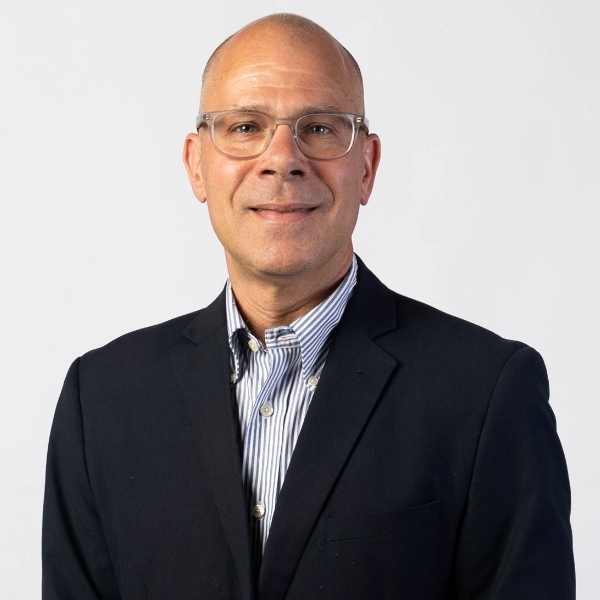
Timothy Knepper
Director, Comparison Project; Professor, Philosophy; Department Co-chair, Philosophy & Religion
Outside the Classroom
The critical thinking skills you’ll gain as a Philosophy major have applications well beyond the classroom. We encourage you to explore ways to put your knowledge to work, as you collaborate with other departments and off-campus organizations.

Internships
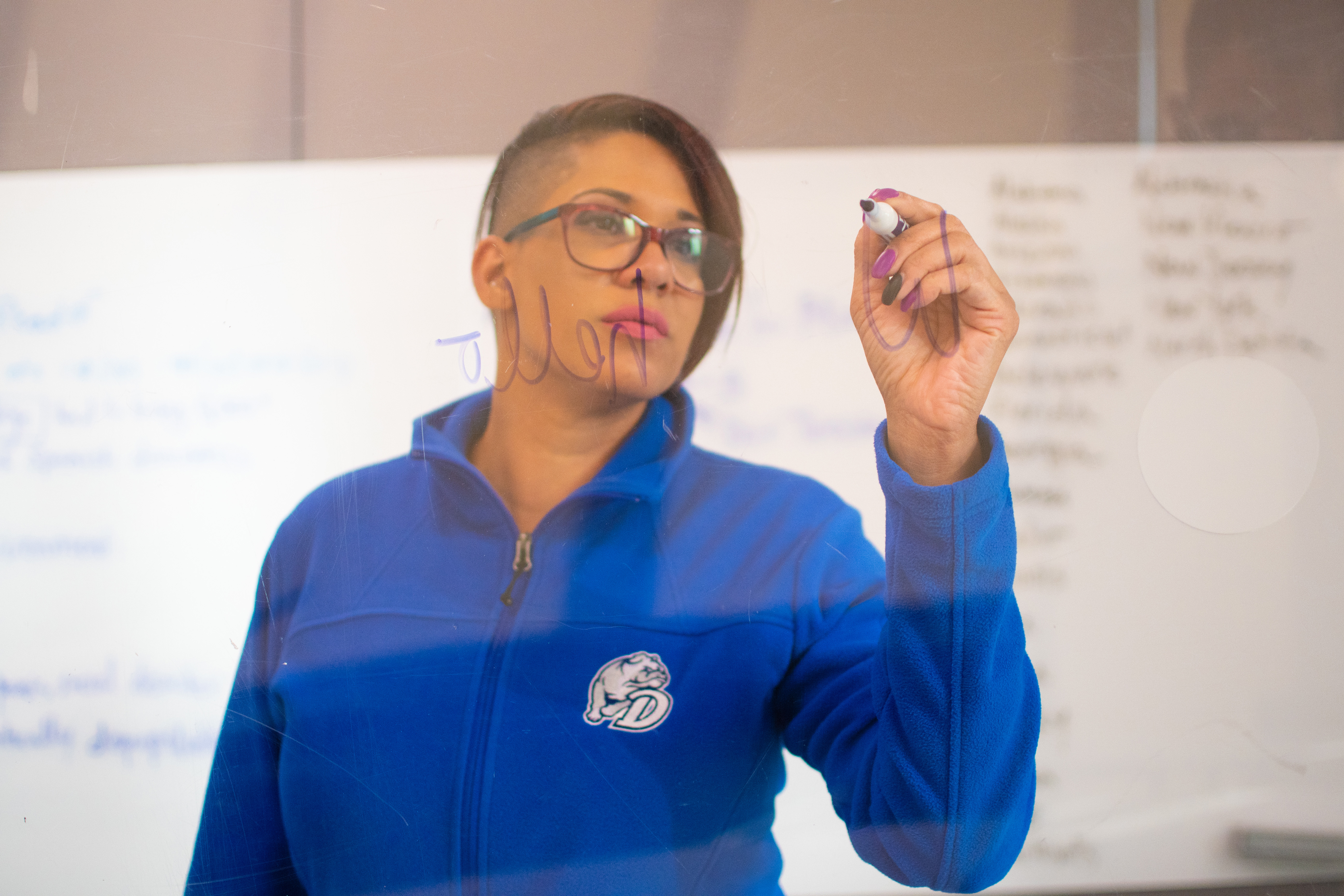
Thinking leads to doing through a variety of internship opportunities, including work at local interfaith organizations such as the Des Moines Religious Council and Interfaith Alliance of Iowa.
Research
Questions of ethics, politics, religion, and medicine are always ripe for further exploration. Assist faculty with their research, pursue your own inquiries during capstone projects, or participate in language study.
Travel Seminar
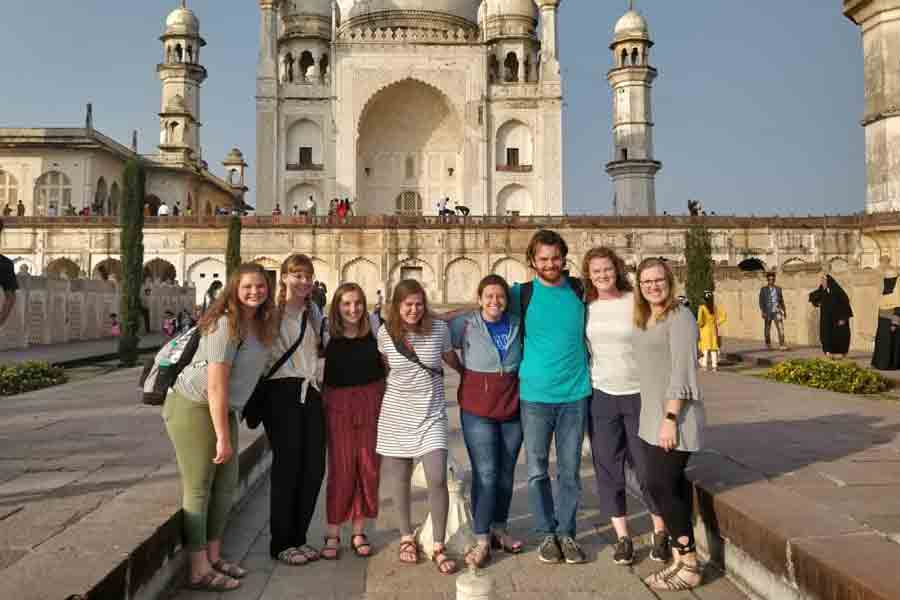
In travel seminars offered during the J-Term and May Term, you’ll join department faculty in places like India, South Africa, the Middle East, and China as you explore the philosophies of the world.

Interfaith Youth Camp
Work as a counselor to local high school students from different religious traditions during this week-long summer camp. Build a better understanding of lived religion while gaining leadership skills.
Student Clubs
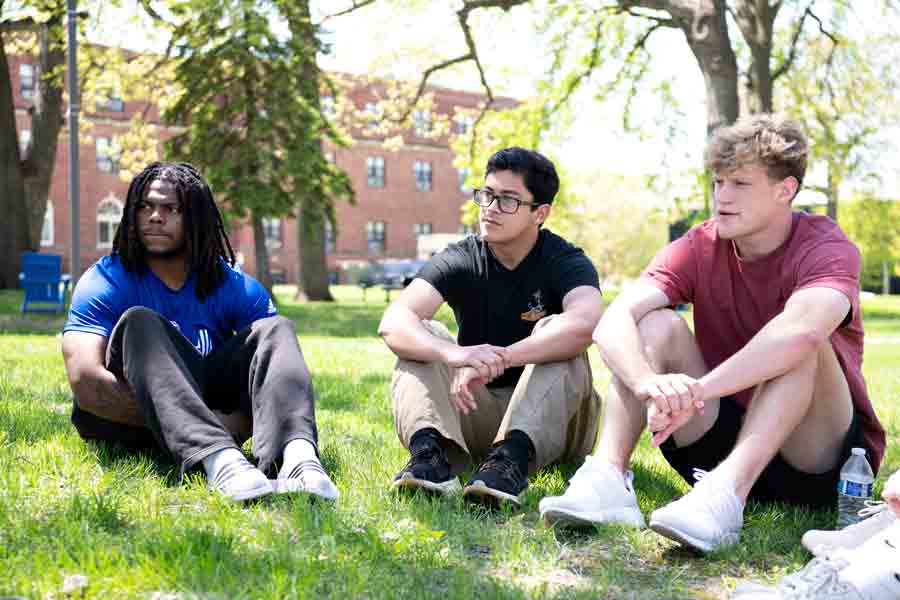
Join the Delphian Society to debate philosophical and religious theories further, or participate in the Interfaith Student Organization, which collaborates with groups from other Iowa colleges.

Cross-Disciplinary Collaborations
Philosophers grapple with questions across multiple disciplines. It’s why our department works closely with many others at Drake, including Artificial Intelligence and World Languages and Cultures.
Take the Next Step
A bachelor’s in Philosophy equips you to address questions humans have asked through the ages while preparing you for a range of careers tomorrow.