Environmental Science Major
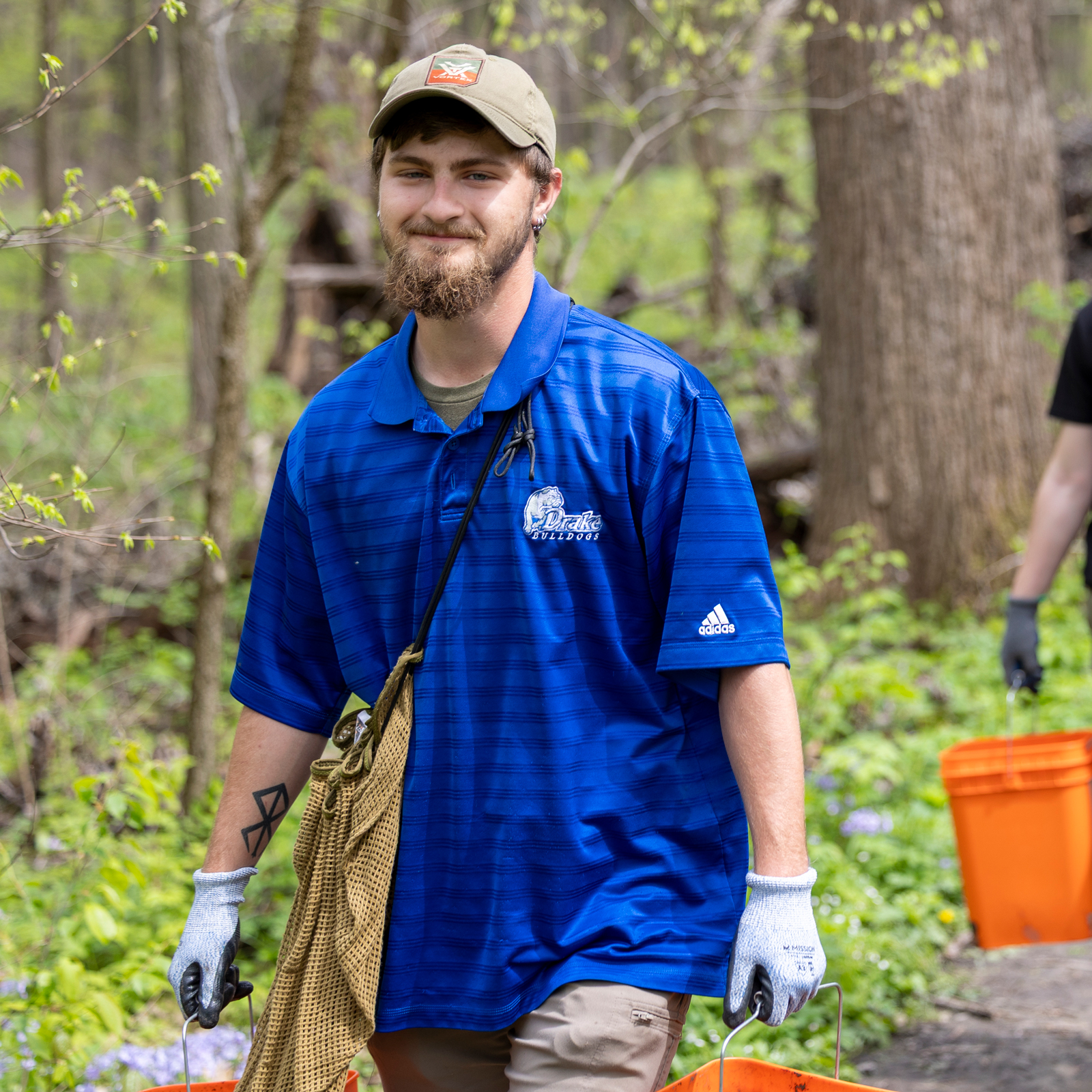
Drake University’s Environmental Science major takes you outside the classroom, so you can see those impacts as they happen through fieldwork, internships, travel seminars, and research trips.
College of Arts & Sciences | On-Campus
Program Options
Your career goals determine the curriculum you’ll follow. Whether you pursue a B.A. or B.S., you’ll choose from two tracks: one focused on biological conservation or another devoted to aquatic and earth science.
B.A. in Environmental Science
Students interested in environmental education, communication, field sampling, regulatory enforcement, environmental consulting, resource conservation, or science-related careers not requiring graduate study are advised to consider the Bachelor of Arts program. The B.A. also gives you the flexibility to pursue a second major or explore other interests.
B.S. in Environmental Science
The Bachelor of Science program emphasizes research—excellent training for anyone planning on pursuing a graduate degree or a career in the laboratory. As a B.S. candidate, you will collaborate with faculty and ultimately propose, design, and execute your own project before graduation.
Biological Conservation Track
In a track emphasizing fieldwork, you’ll engage with a wide range of organisms, though you can focus on plants or animals. Come prepared: you’ll face heat, cold, rain, and snow as you get a close-up look at the planet in this intensive, learn-by-doing program.
Aquatic and Earth Sciences Track
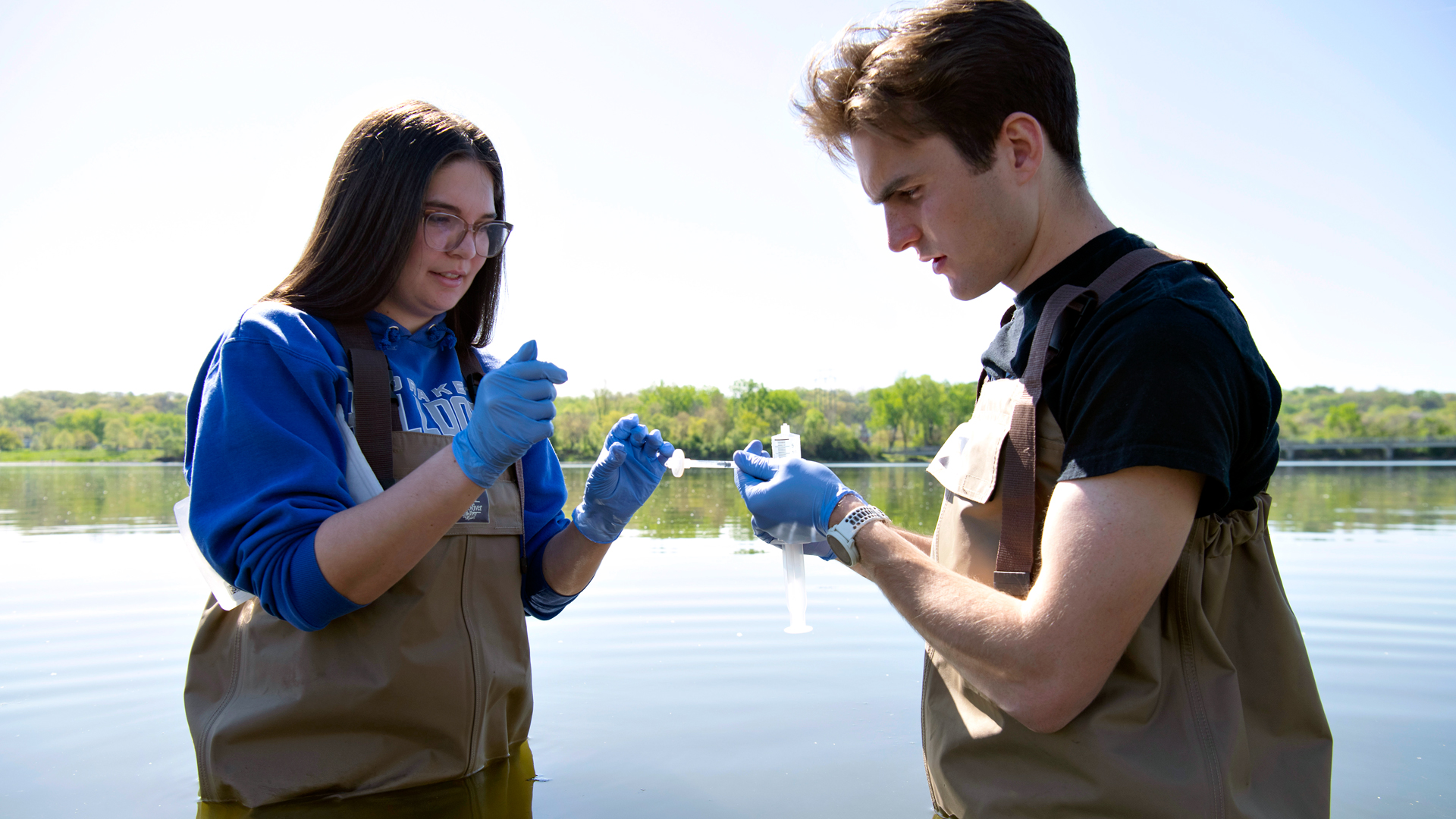
Water quality (and quantity) are increasingly challenging problems, both in Iowa and elsewhere. In this track, you’ll study water chemistry, landscape geology, mapping techniques, and other factors while working toward a career in water resources, environmental consulting, waste and watershed management, or hydrology.
Environmental Science Minor
Gain an overview of 21st-century environmental topics through labs, introductory environmental science classes, and electives that allow you to focus on conservation biology, endangered species conservation, and water resources and policy.
Spatial and Information Technology Minor
GIS and database management tools can help us visualize phenomena like climate change, predict trends and threats, and manage natural resources. You’ll learn how to use spatial analysis tools and code your own in this minor.
STEM Undergraduate Research Scholar Concentration
Pursue meaningful undergraduate research and work closely with faculty mentors through the STEM Undergraduate Research Scholar Concentration. This transcript-recognized program combines hands-on research, skill-building coursework, and a capstone presentation to help you develop expertise in research, analysis, and communication.
Careers & Skills
Drake’s Environmental Science major prepares you for practical, professional work in natural resources management, parks, public health, environmental consulting, urban and regional planning, and other roles taking you into the field. Our emphasis on hands-on learning shows grad schools and employers that you can analyze samples, study habitats, and propose measures to protect species and ecosystems from the minute you arrive.
Along with research, internships, and field assignments, you’ll hone your leadership skills and professional readiness through campus groups such as the Drake Environmental Action League (DEAL) and the Drake Outdoor Leadership Club, as well as off-campus groups such as the Iowa Environmental Council.
Employers
- Environmental Protection Agency
- Iowa Soybean Association
- Klamath System
- State Departments of Natural Resources
- Iowa Conservation Corps
- Iowa Environmental Council
- AmeriCorps
- Iowa County Conservation Board
- U.S. Fish and Wildlife Service
- The Nature Conservancy
Skills
- Analyzing scientific data for research, conservation, and policy development
- Problem-solving and critical thinking skills
- Professional communication
- Geographic Information Systems
- Environmental justice
- Applications of the natural sciences
Salary & Growth Outlook
Median salary for environmental scientists in 2024. (U.S. Bureau of Labor Statistics)
Meet the Faculty
Holding the highest degrees in their fields, our faculty introduce you to animal behavior, environmental justice, urban planning, and climate change while conducting research to advance these fields.



Keith Summerville
Professor, Environmental Science; Department Chair, Environmental Science and Sustainability; Paul and Claudia Schickler Executive Director of the Jay N. Darling Institute


Outside the Classroom
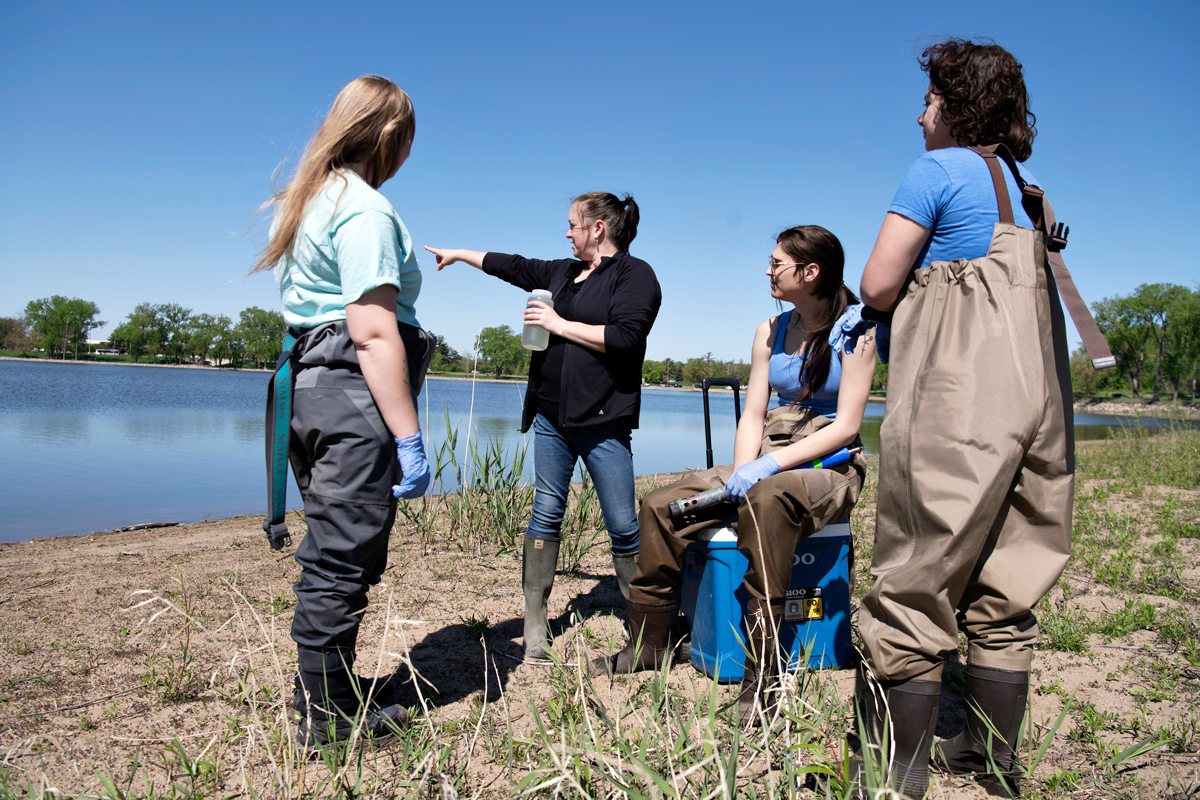
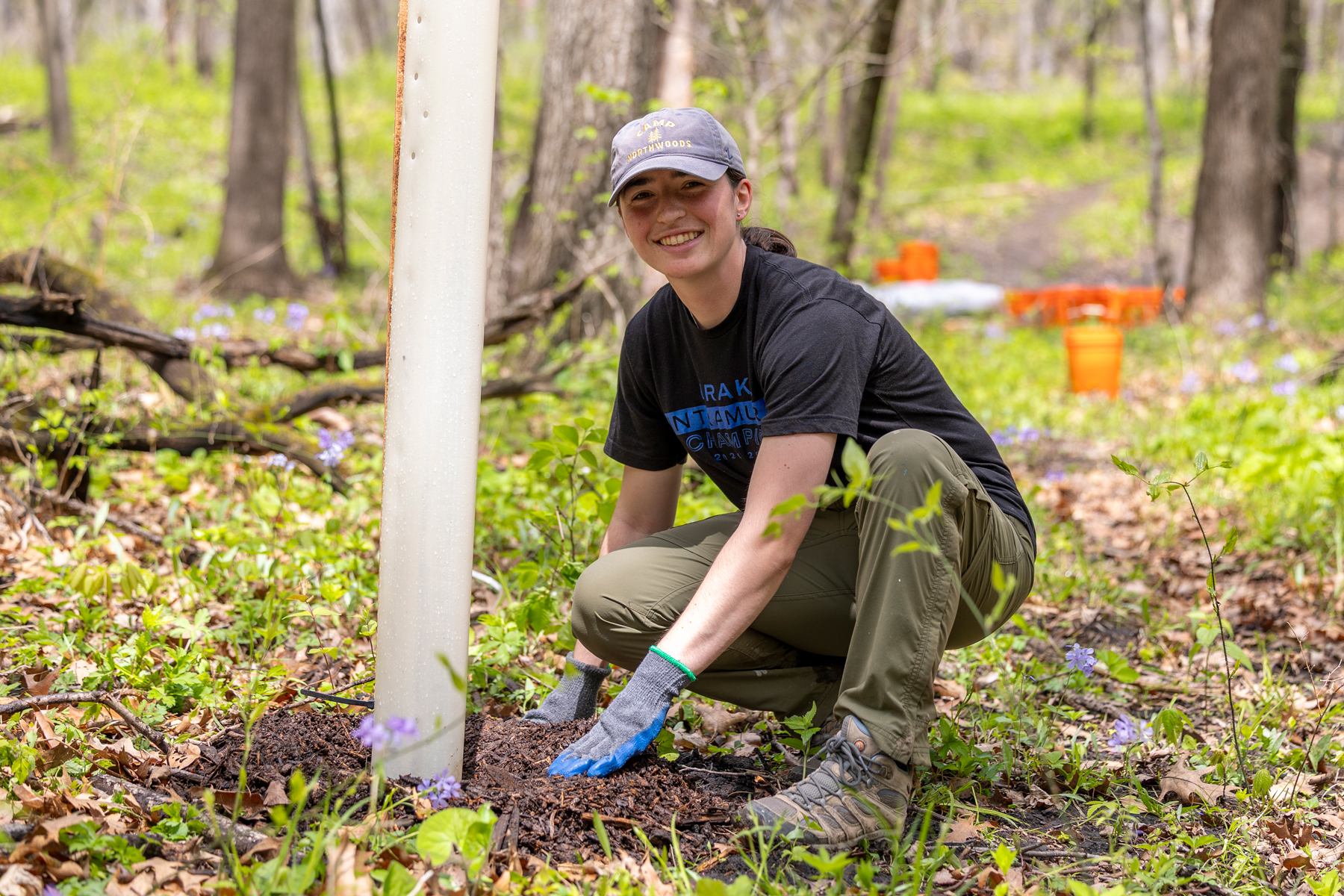
When your mission is protecting and preserving our world, you’ll get a head start at Drake through fieldwork integrated into your classes, local restoration projects, population surveys and identification, and semester-long research trips.
Senior Project Management Capstone
Recent student projects have included planning conservation corridors for Rwandan chimpanzees, restoring tallgrass prairie in Winnebago Nation tribal lands, and mapping habitat suitability for sandhill cranes and ornate box turtles.
Research
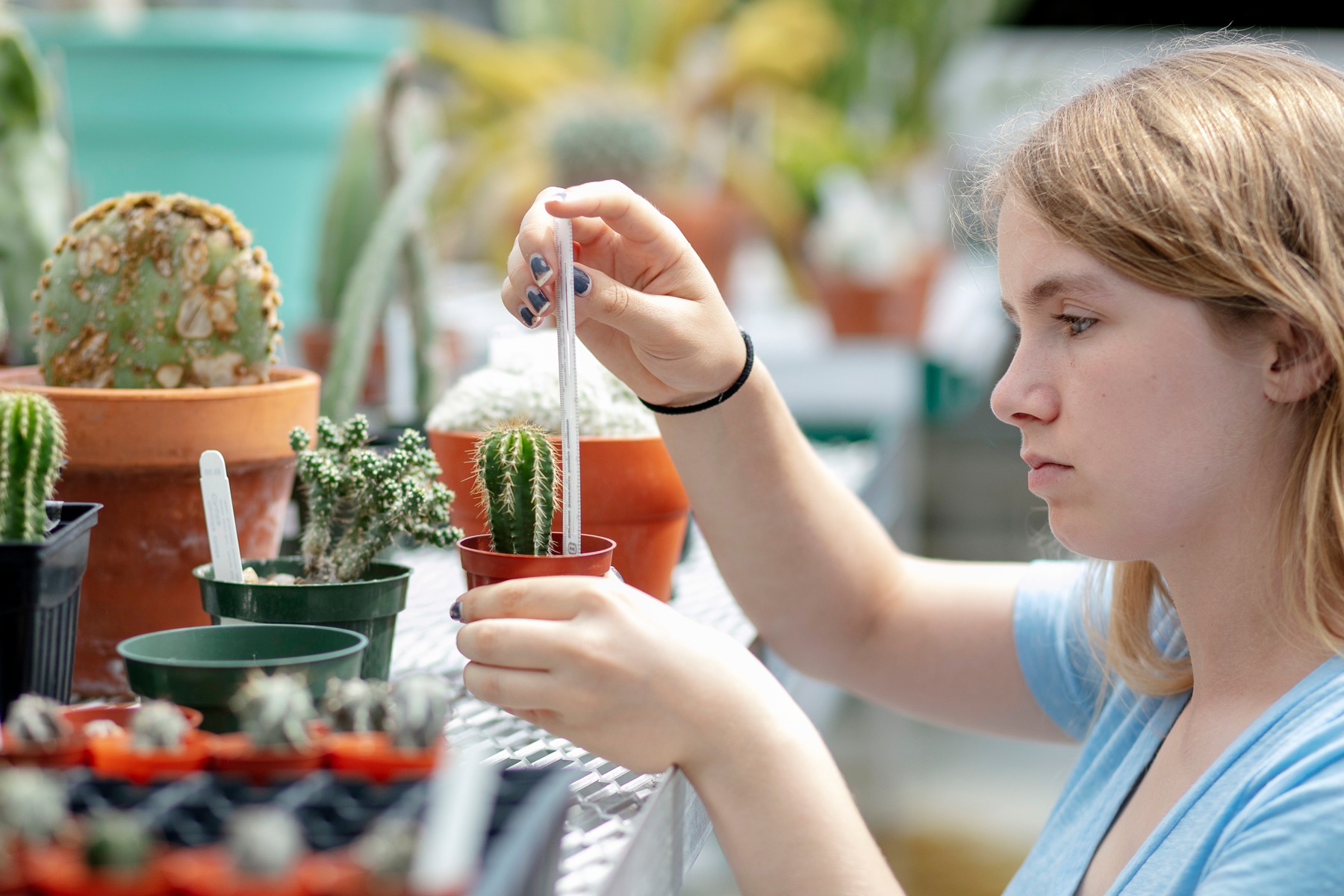
In one of Drake’s most hands-on majors, faculty are vital mentors in showing you what it takes to conduct independent research. Get involved early on in their grant-funded efforts as a paid assistant, or design your own study and share your results at the Drake University Conference on Undergraduate Research in Science (DUCURS).
Internships
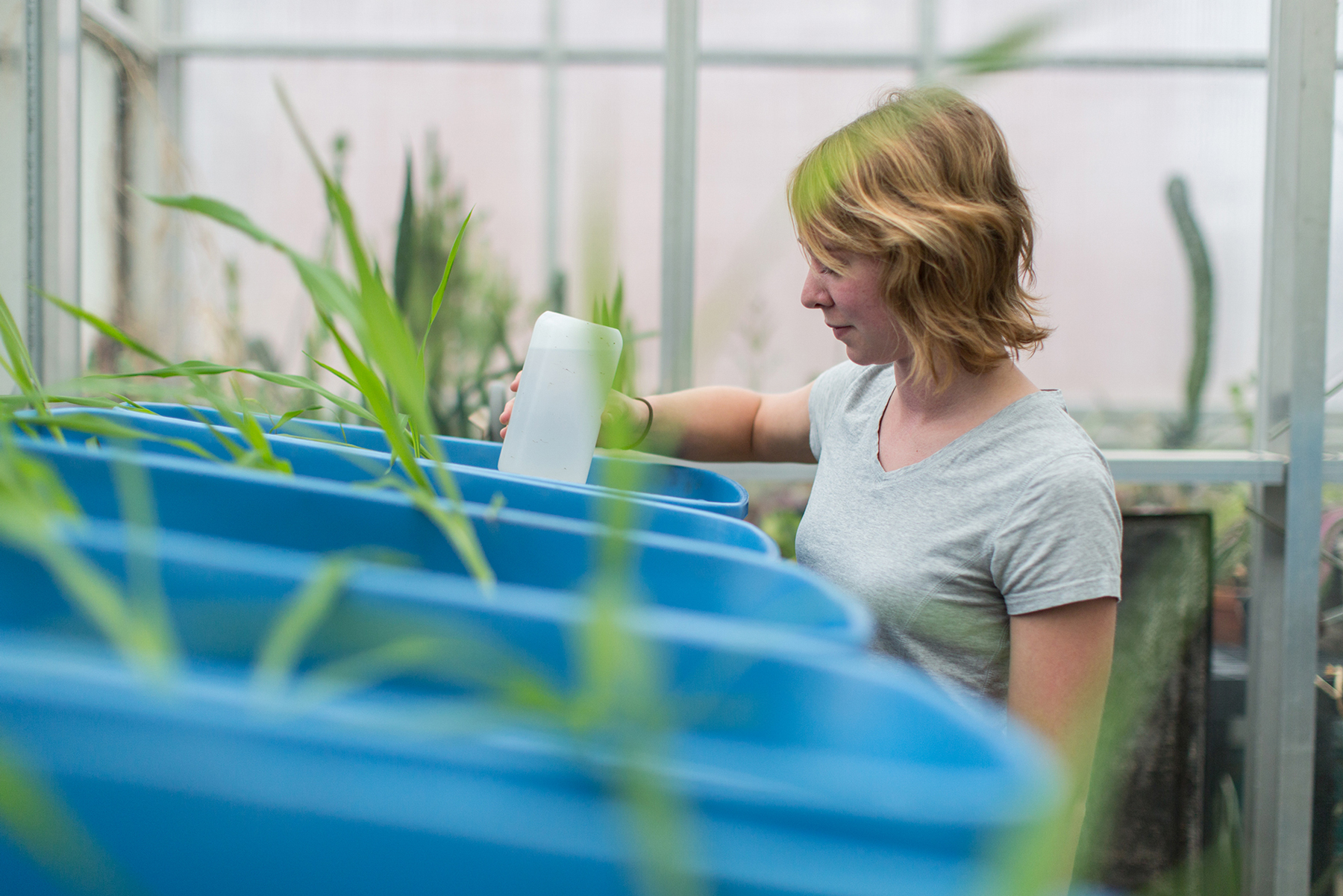
Real-world training is central to your studies. In the past, Drake students have held internships and summer jobs with the Sierra Club, U.S. Forest Service, Iowa Natural Heritage Foundation, and other leading organizations focused on environmental justice, community engagement, or ecosystem preservation.
Environmental Learning Center
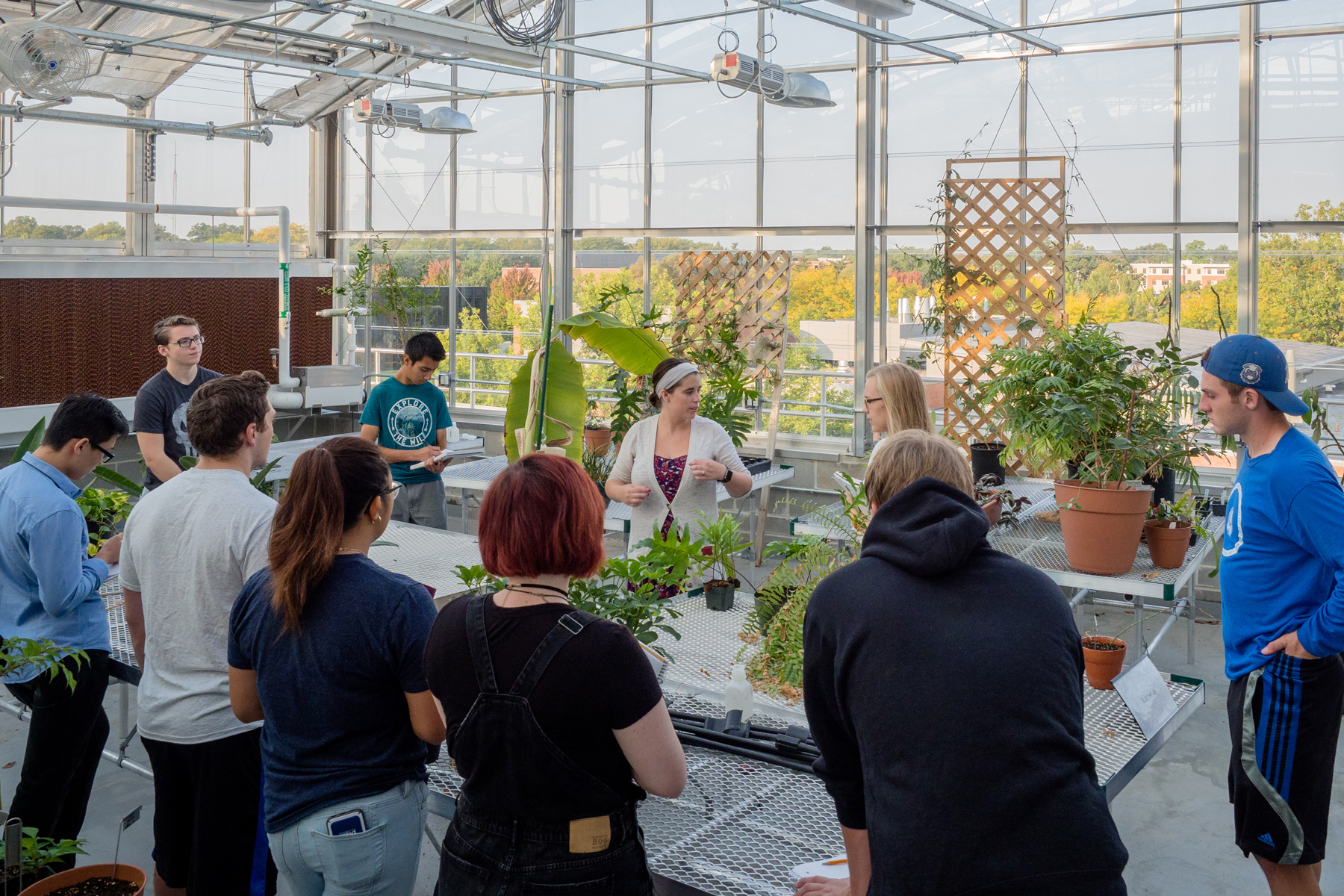
Explore prairie, wetland, and woodland habitats at the Environmental Learning Center (ELC), open to Environmental Science majors through our collaboration with MetroWaste Authority. Here, you’ll see long-term monitoring and restoration at work in this teaching and research field station that covers nearly 1,000 acres.
Community Projects and Partnerships
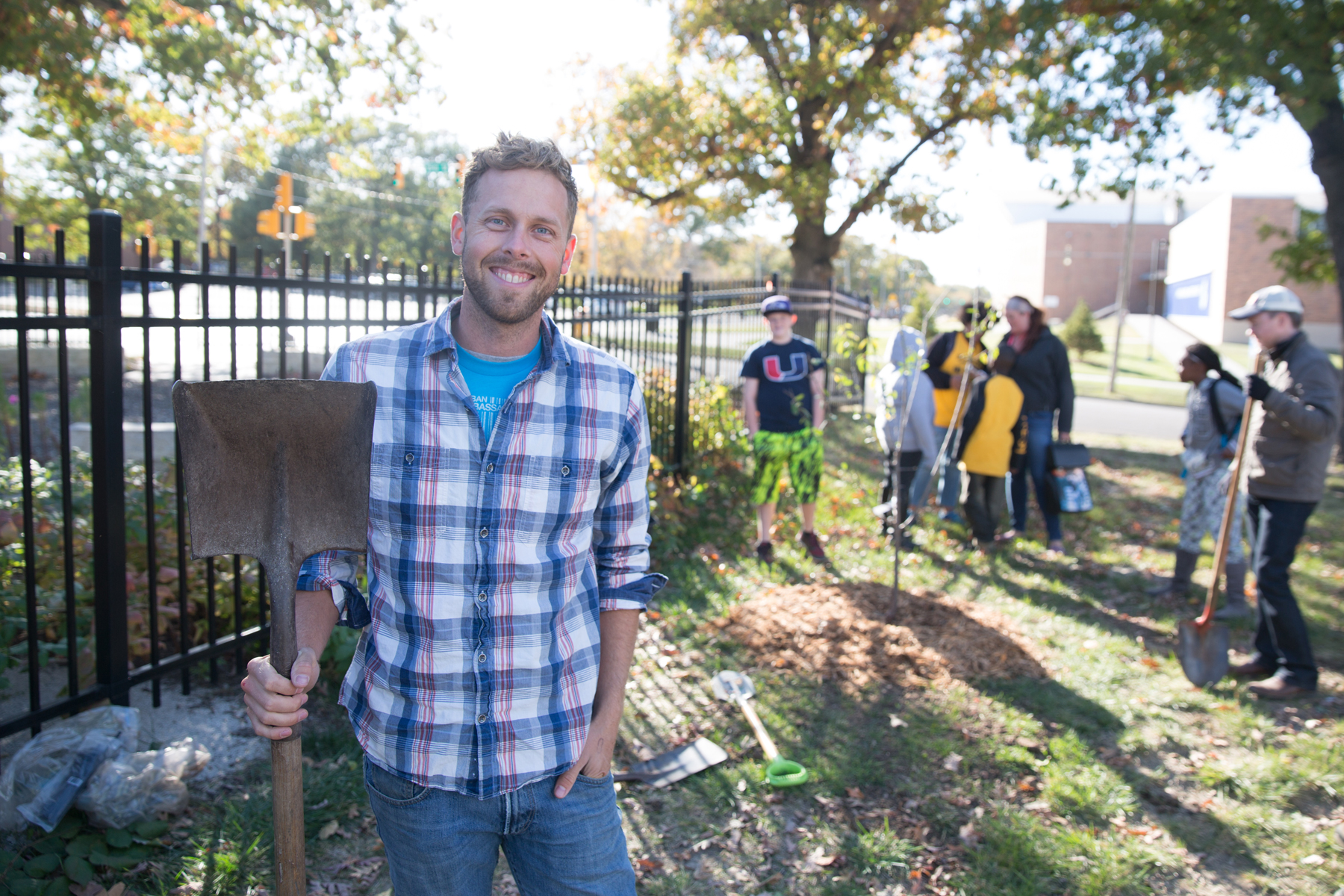
Drake students make a difference: they’ve restored prairie at the Neal Smith National Wildlife Refuge and a conservation area in the Skunk River System and participated in other preservation work across Iowa.
Study Abroad
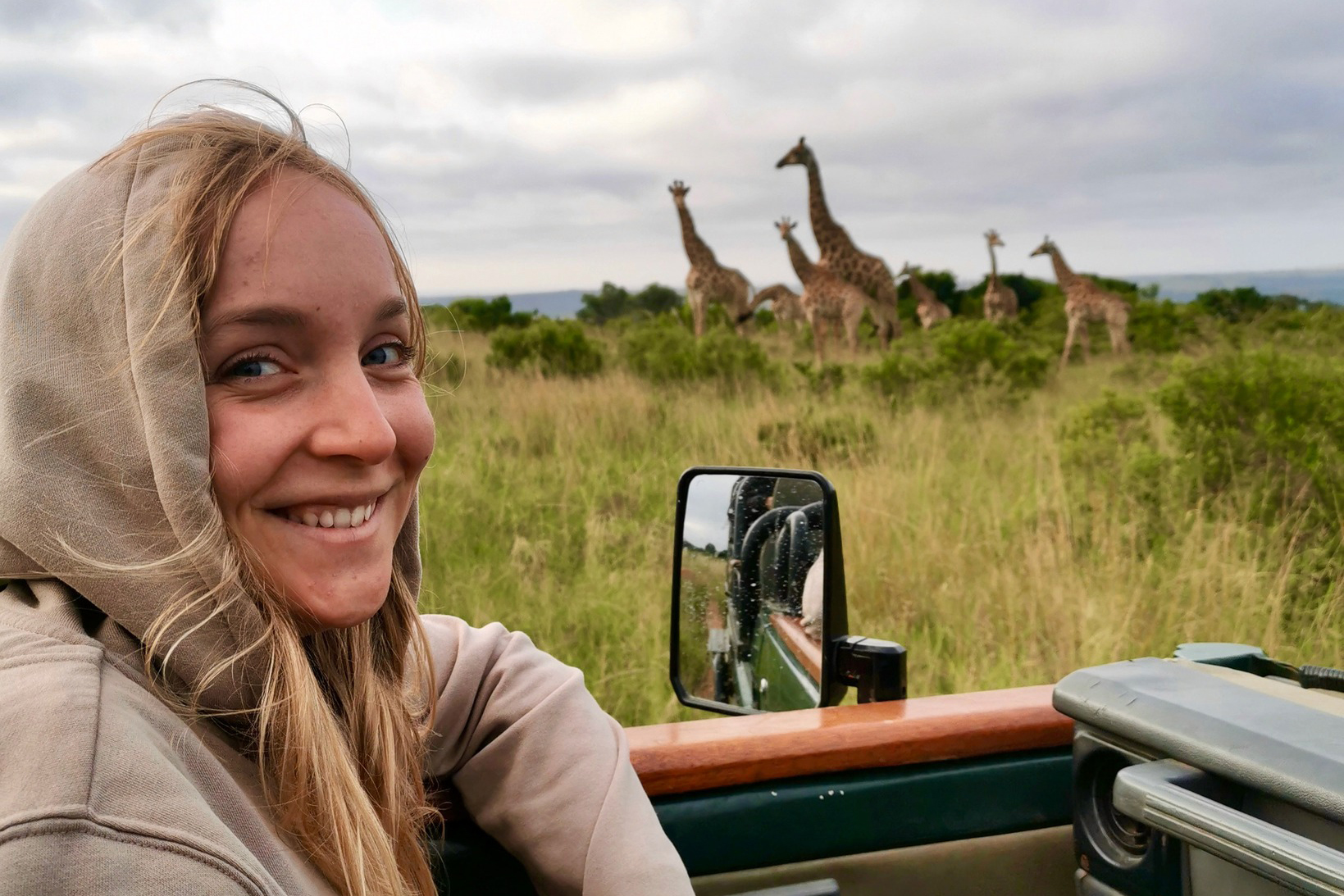
Drake’s affiliation with the School for Field Studies makes it easy to find domestic and international projects that fulfill your major requirements. In fact, we encourage you to go—in the past, Drake students have traveled to Rwanda, Costa Rica, and South America or spent a semester on the Gulf Coast.
Take the Next Step
Humans and the natural world are inextricably linked. Understand those connections as an Environmental Science major at Drake.