Zoo & Conservation Science Major
The best way to enter the zoo and conservation science field is through direct experience caring for animals and leading public education efforts close to home and abroad.
College of Arts & Sciences | On-Campus
Program Options
Tailor your studies to embark on a career in animal behavior, wildlife rehabilitation, or animal conservation or to pursue graduate education in the zoological and environmental sciences.
B.S. in Zoo and Conservation Science
Put data and research to work as you learn to design and implement programs for zoos, aquariums, and other conservation settings. You’ll develop technical and quantitative skills in laboratory and field methods, statistical analysis, Geographic Information Systems (GIS), and professional communication.
Comparative Animal Behavior Concentration
This interdisciplinary program focuses on the behavior of nonhuman animals. Classes will assess factors ranging from molecular determinants to large-scale ecological factors. This concentration prepares graduates for careers in fields such as psychology, neuroscience, veterinary medicine, and conservation biology.
Sustainability and Resilience Minor
Sustainable systems continue their core functions without degradation; resilient ones do so in the face of rapid change. In this minor, you’ll learn how to address systemic challenges in a range of fields while incorporating ecological, economic, and social principles.
Spatial and Information Technology Minor
GIS and database management tools can help us visualize phenomena like climate change, predict trends and threats, and manage natural resources. You’ll learn how to use spatial analysis tools and code your own in this minor.
STEM Undergraduate Research Scholar Concentration
Pursue meaningful undergraduate research and work closely with faculty mentors through the STEM Undergraduate Research Scholar Concentration. This transcript-recognized program combines hands-on research, skill-building coursework, and a capstone presentation to help you develop expertise in research, analysis, and communication.
Careers & Skills
Zoos contribute more than $22.5 billion to the U.S. economy every year, supporting more than 198,000 jobs. Drake’s Zoo and Conservation Science major gives you the academic background and field experience you’ll need to join this competitive field and get on the track to area director, curatorial, and management positions.
Employers
- Aquariums
- Conservation organizations
- Corporate sustainability initiatives
- Environmental consulting organizations
- Forestry organizations
- Natural resource management organizations
- Policymaking organizations
- Zoos
Skills
- Learn to contribute to conservation efforts both in zoos and in the wild
- Apply principles of animal behavior research in captive animal management
- Design and execute research projects in captive animal populations
- Apply basic principles of husbandry and management of captive animals
- Design and implement environmental enrichment techniques
Salary & Growth Outlook
Median salary for zoologists and wildlife biologists in 2024. (U.S. Bureau of Labor Statistics)
Meet the Faculty
In this learn-by-doing major, you’ll learn from professors who have expertise in the lab, the classroom, and the field. Faculty will encourage you to do research, guiding you to opportunities that match your career goals.

Keith Summerville
Professor, Environmental Science; Department Chair, Environmental Science and Sustainability; Paul and Claudia Schickler Executive Director of the Jay N. Darling Institute


Outside the Classroom
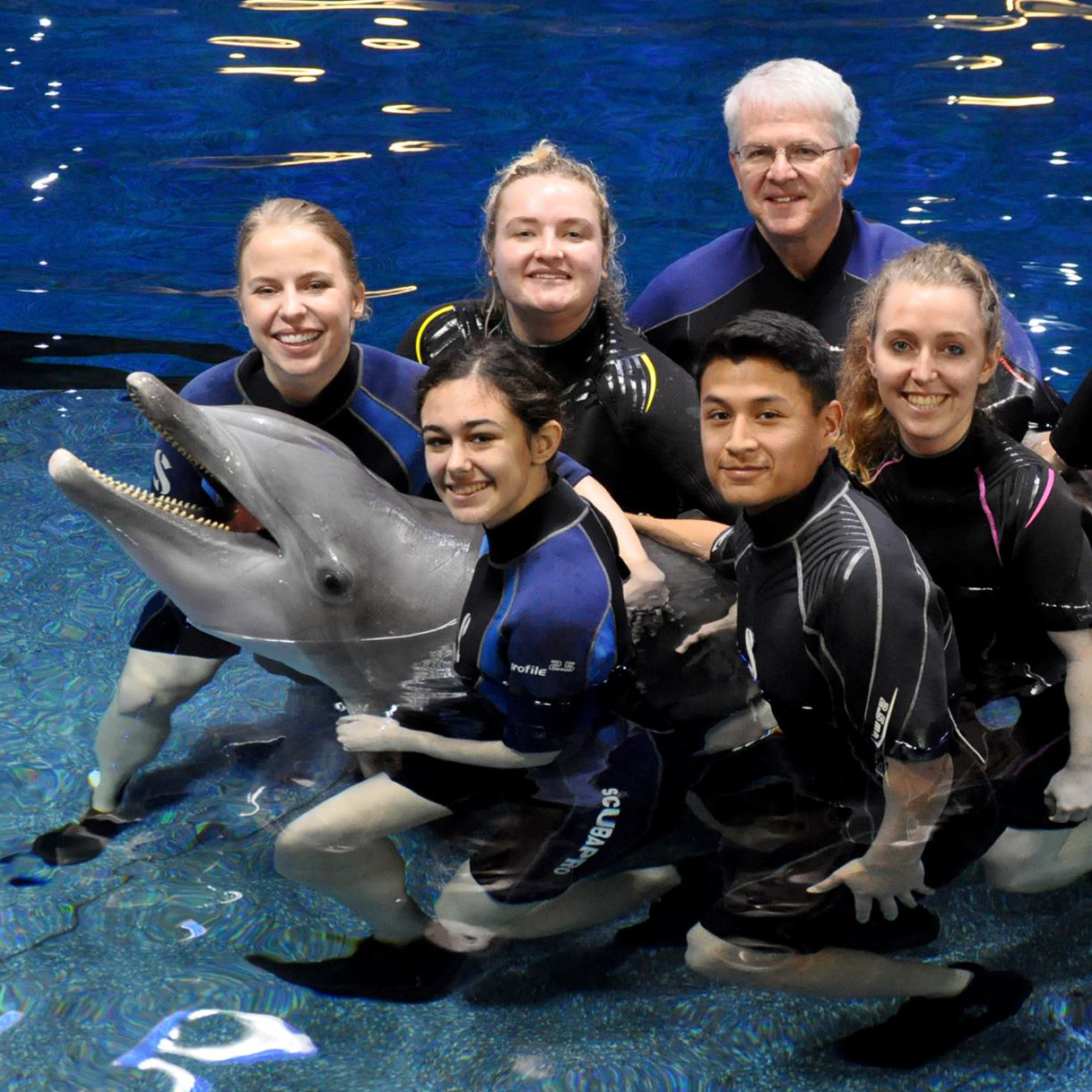
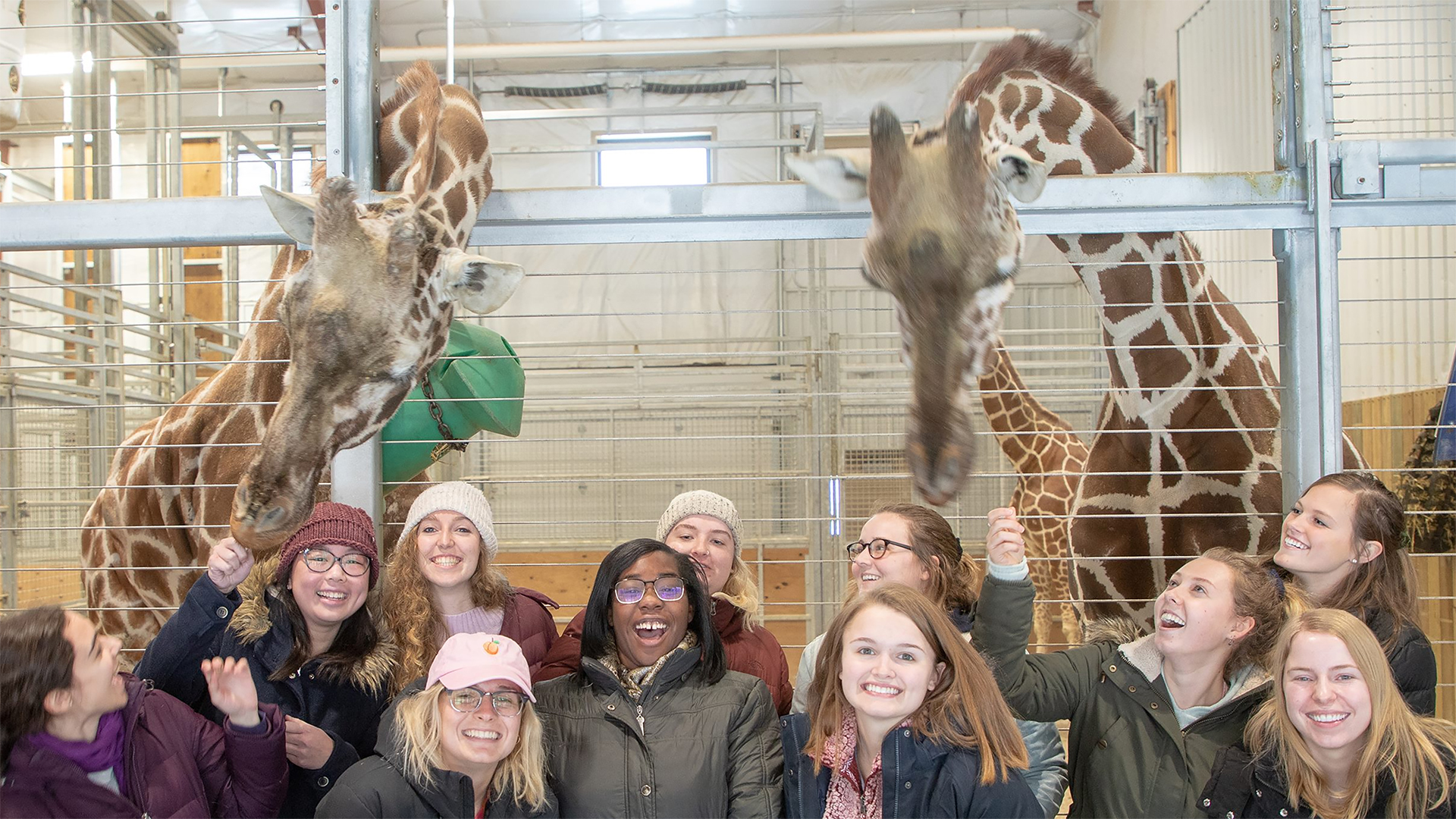
Zoos and aquariums play a critical role in educating society about endangered and extinct species, helping the public understand their role in conserving our world for future generations. In internships, research, and other hands-on experiences, Zoo and Conservation Science majors start to lead these efforts while applying the principles of organismal biology, environmental science and ecology, and behavioral science in the real world.
Senior Project Management Capstone
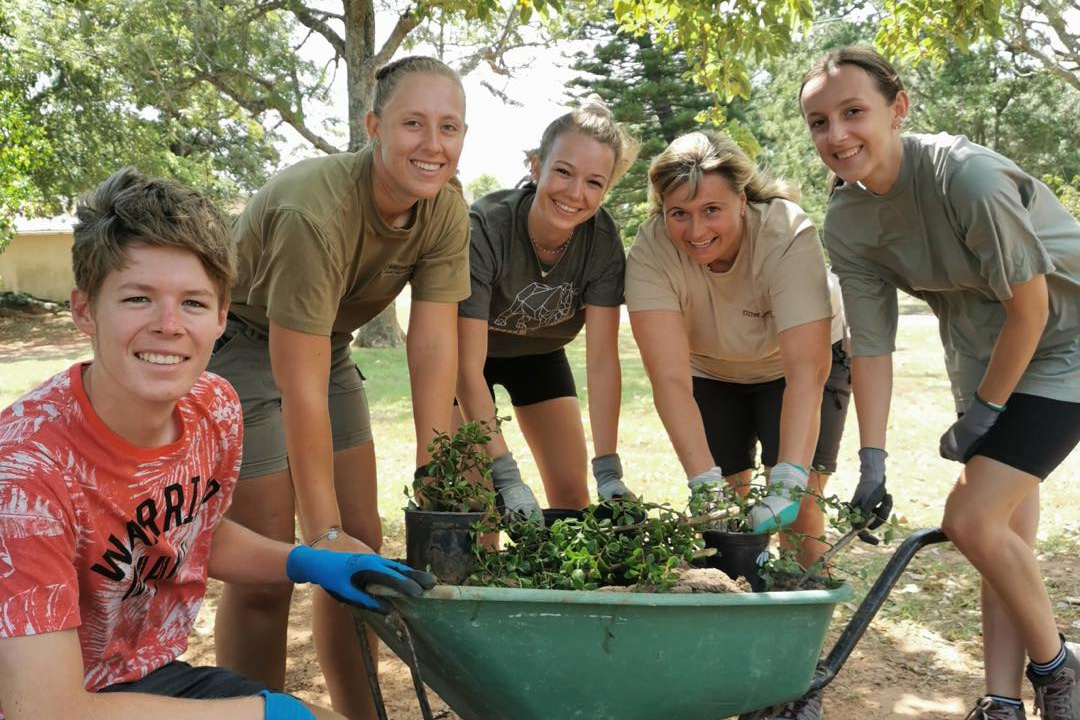
Jobs in conservation and zoo science are very competitive. Your culminating capstone project shows employers that you have the academic background and practical experience to thrive from the moment you arrive.
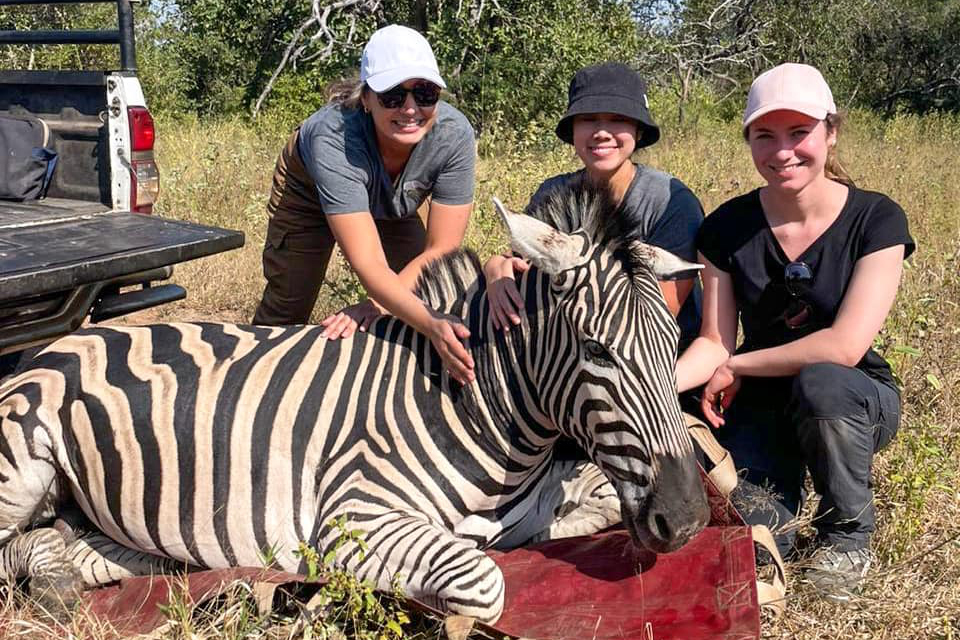
Research
Research teaches on-the-fly problem-solving skills you’ll need to be a leader. The Drake University Science Collaborative Institute (DUSCI) can connect you to a range of opportunities, from improving chimpanzee conservation to tracking rare turtles. Additionally, undergraduates can support grant-funded faculty studies as paid research assistants.
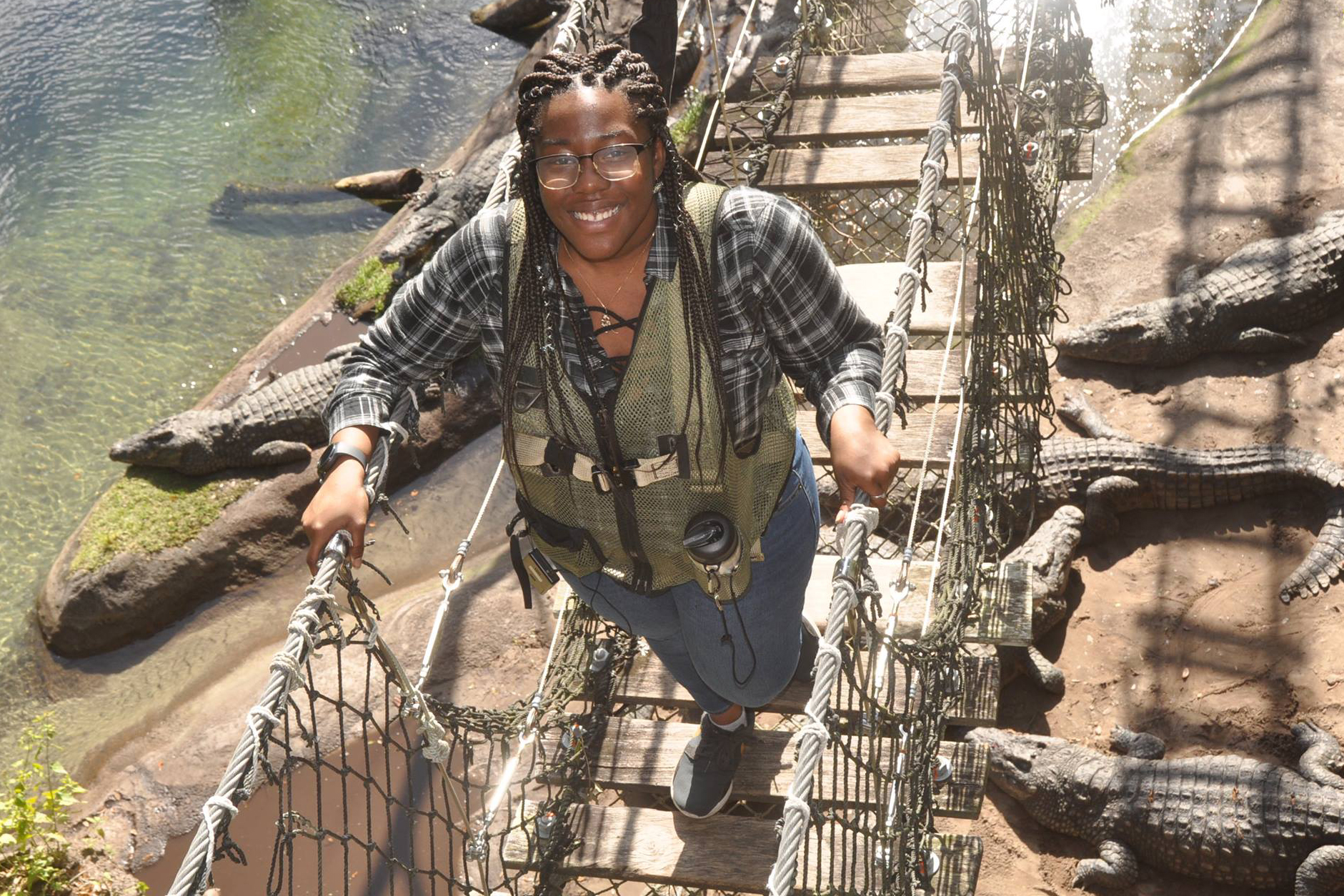
Internships
Two required internships give you direct experience in behavioral husbandry methods. Our department maintains partnerships with a wide range of internship sites, helping you access several transformative and résumé-boosting assignments.
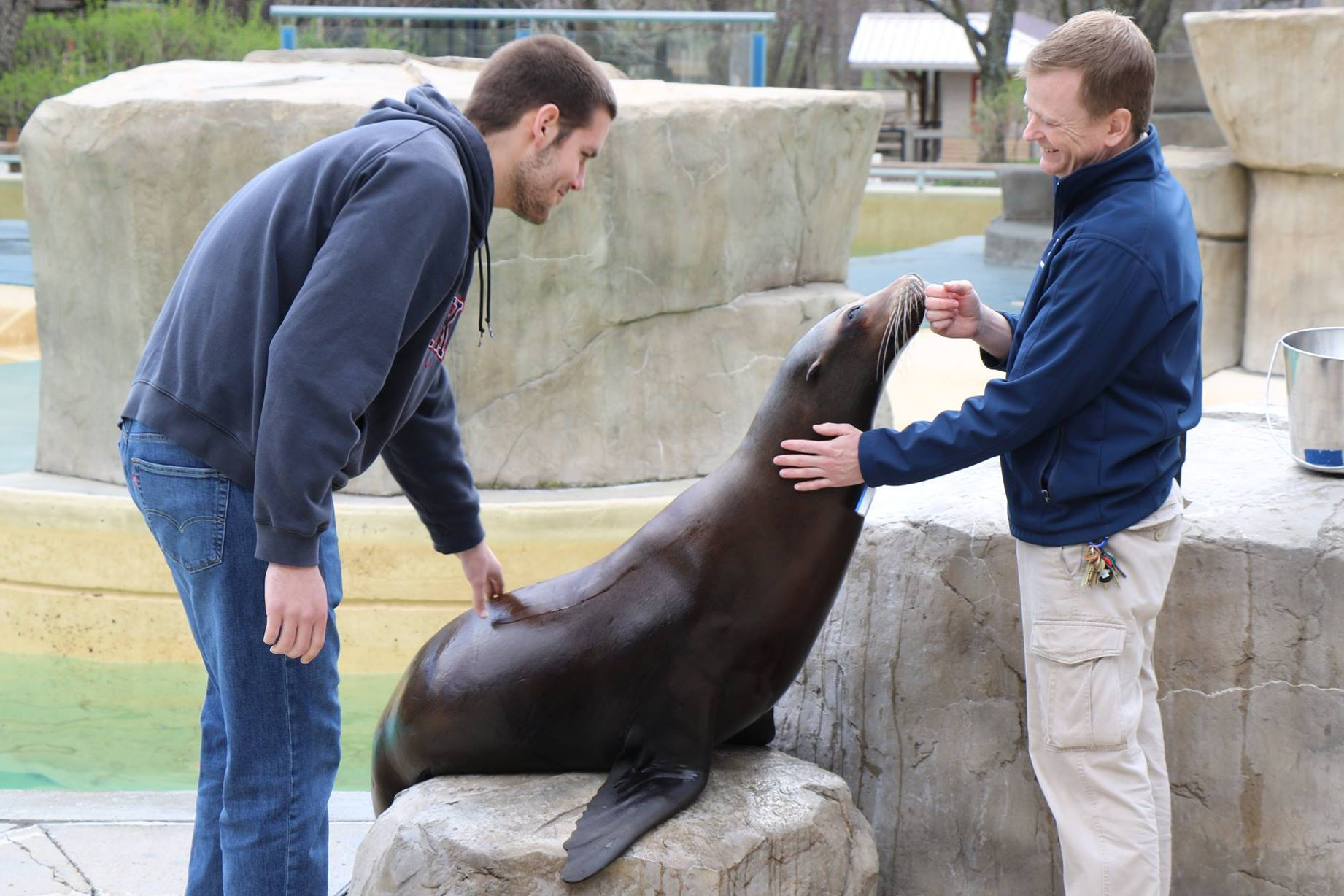
Blank Park Zoo and the Ape Cognition & Conservation Initiative
Drake students benefit from our partnerships with the Blank Park Zoo in Des Moines and the Ape Cognition & Conservation Initiative, the world’s only research center dedicated to the bonobo and one of the few places where you can practice the English language with great apes.
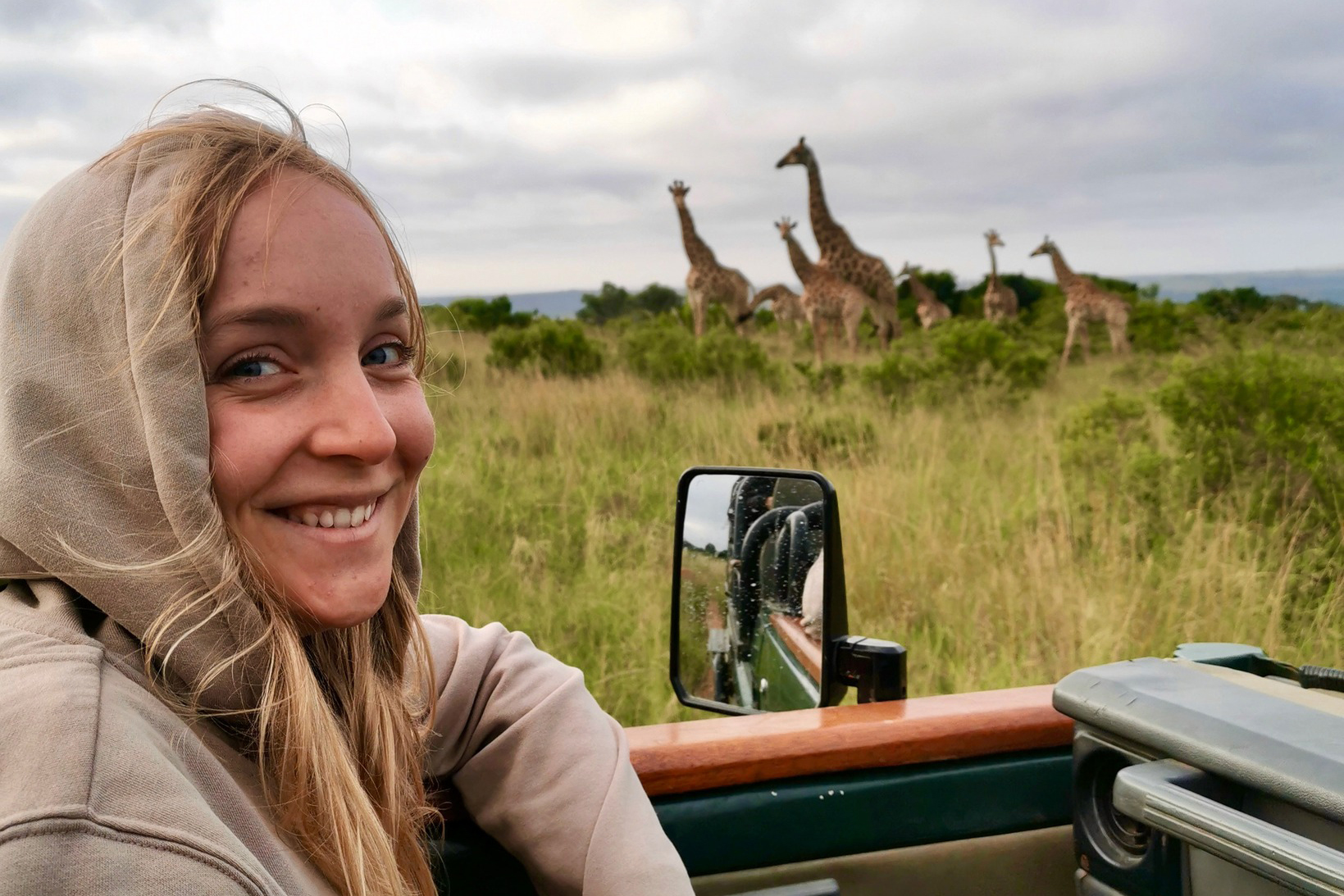
Study Abroad
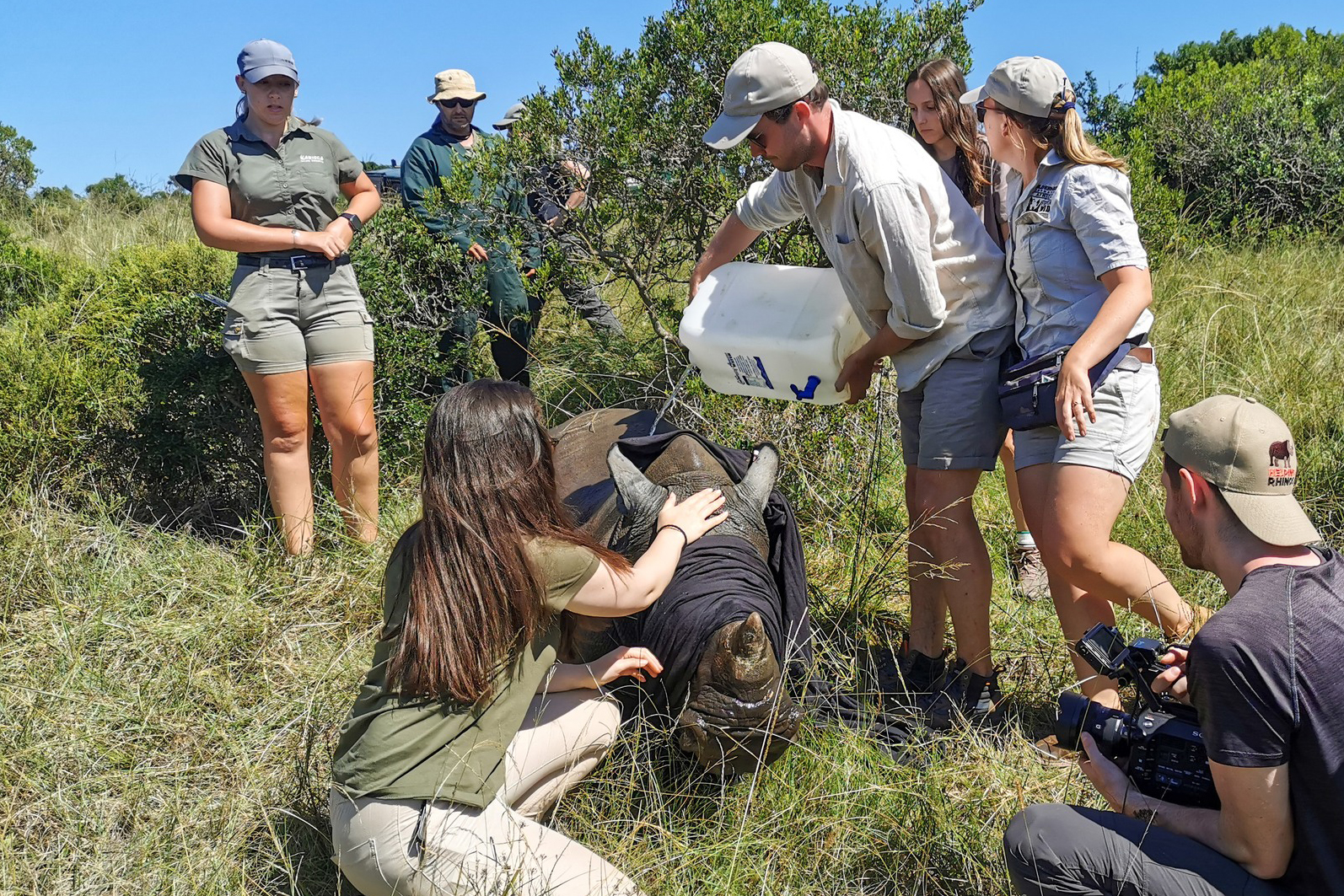
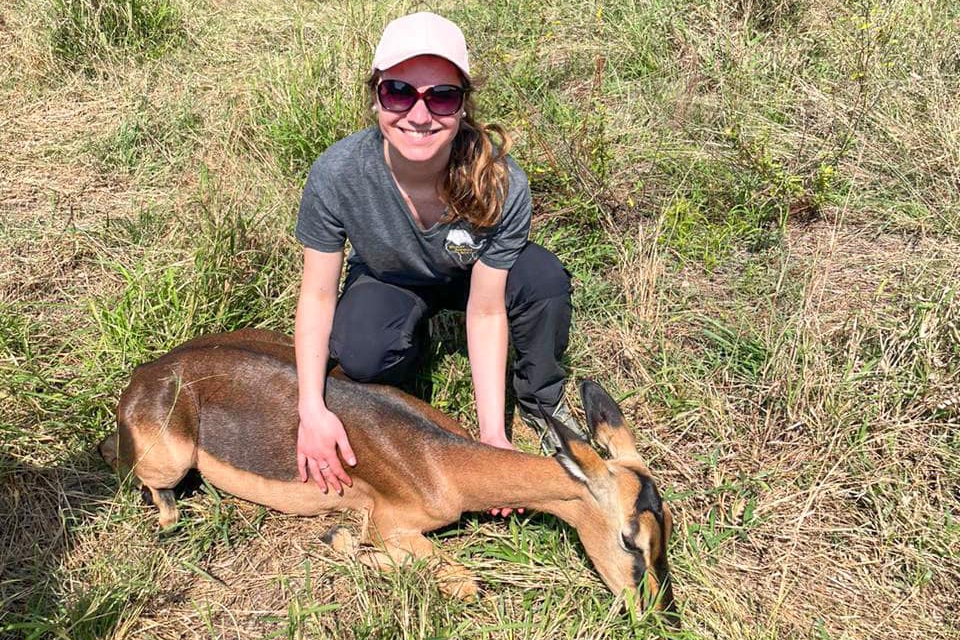
Change the way you look at the world by going abroad. Observe African wildlife on their own turf through one of our J-Term classes to Madagascar, Belize, Indonesia, or Ecuador, or get exposure to various overseas ecosystems through our partnership with the School for Field Studies.
Scholarships
The department earmarks scholarships for Zoo and Conservation Science majors from Iowa, with preference going to students from southeastern Iowa. In addition, the Jay N. Darling Institute extends awards to students who perform summer service.
Take the Next Step
Turn your passion for working with animals into a career protecting our world and its myriad species and ecosystems in Drake’s Zoo and Conservation Science major.
Contact
Keith Summerville
Professor of Environmental Science and Sustainability
515-271-2265
keith.summerville@drake.edu