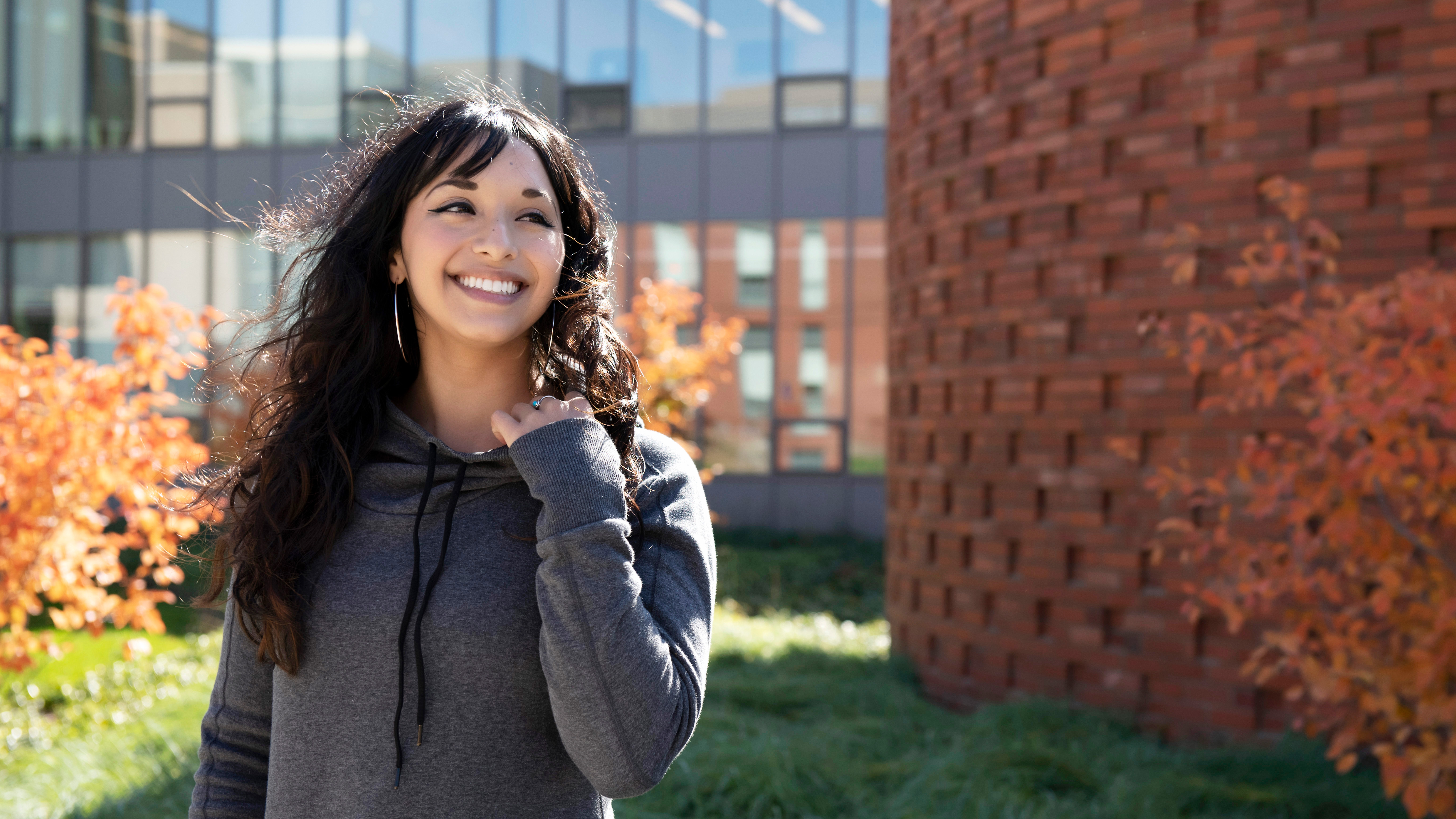
Religious and Interfaith Studies Minor
Humanity has held religious beliefs dear for millennia. Learn more about these traditions and why they are so important in this wide-ranging program.
College of Arts & Sciences | On-Campus
Program Options
The Religious and Interfaith Studies program offers the flexibility to combine your studies with other interests and to select courses that match your post-graduation goals.
Religious and Interfaith Studies Minor
This 18-credit minor includes two required courses for each area of emphasis: for the religious studies emphasis, World Religions and an upper-level theory-intensive course; for the interfaith studies emphasis, Religions of Des Moines and an interfaith practicum. Additionally, four electives are required; these can be taken inside or outside the department, so long as these courses are rich in religious content.
Careers & Skills
Understand the diverse religious traditions of the world, prepare for advanced study, or critically reflect on the ways human communities experience and describe the sacred. In addition to providing a foundation for graduate programs in theology, philosophy, law, or history, as well as seminary, a minor in Religious and Interfaith Studies also leads to careers that call for critical thinking, ethics, cultural awareness, and communication.
Opportunities
- Graduate school
- Seminary
- Law school
- Charitable organizations
- Government
- Business
Skills
- Identify and compare diverse religious traditions, practices, beliefs, and texts
- Explain and analyze religion as existentially lived, historically conditioned, and culturally intertwined
- Recognize and apply different theories and methods of inquiry
- Analyze and evaluate religiously informed ethical positions

Meet the Faculty
Religion classes are taught by faculty inside and outside the Department of Philosophy. Areas of scholarly expertise include philosophy of religion, comparative religion, religions of the world, and interfaith engagement.
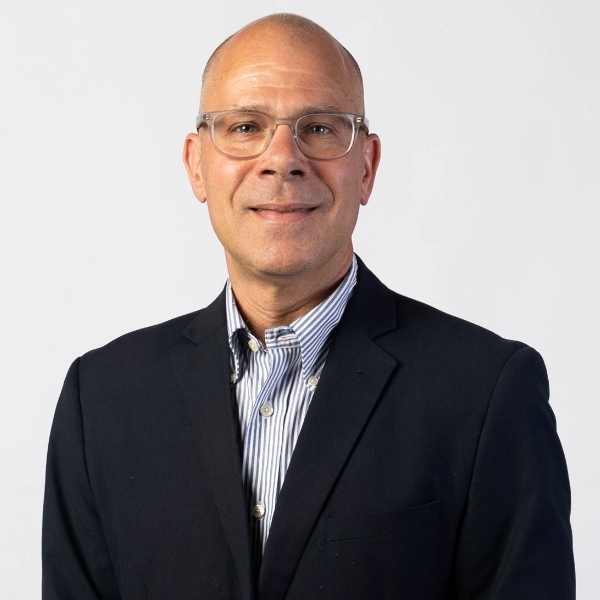
Timothy Knepper
Director, Comparison Project; Professor, Philosophy; Department Co-chair, Philosophy & Religion
Outside the Classroom
Religion isn’t experienced in textbooks. It’s lived every day. At Drake, you’ll see how faith is part of people’s lives through internships, studying abroad, site visits, research, and other experiences.

Internships
We’ll connect you with a variety of internships and apprenticeships with local interfaith organizations, such as the Des Moines Religious Council and the Interfaith Alliance of Iowa.
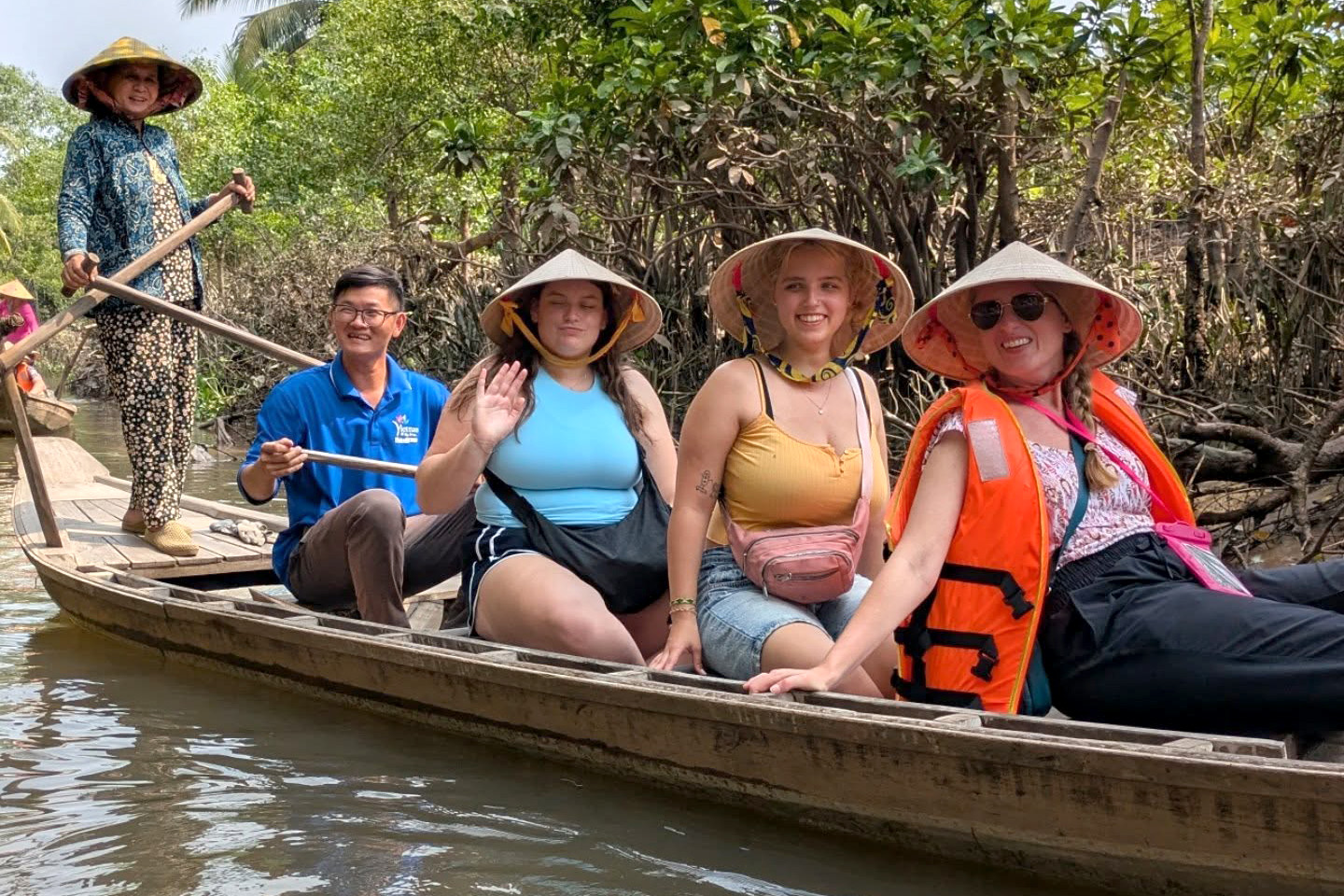
Study Abroad
The best way to study the world’s religions is to make the world your classroom. We’ll work with you to find a study-abroad experience that fills your academic interests. Faculty-led travel seminars have included J-Term and May-Term trips to India, South Africa, the Middle East, and China.
Student Organizations
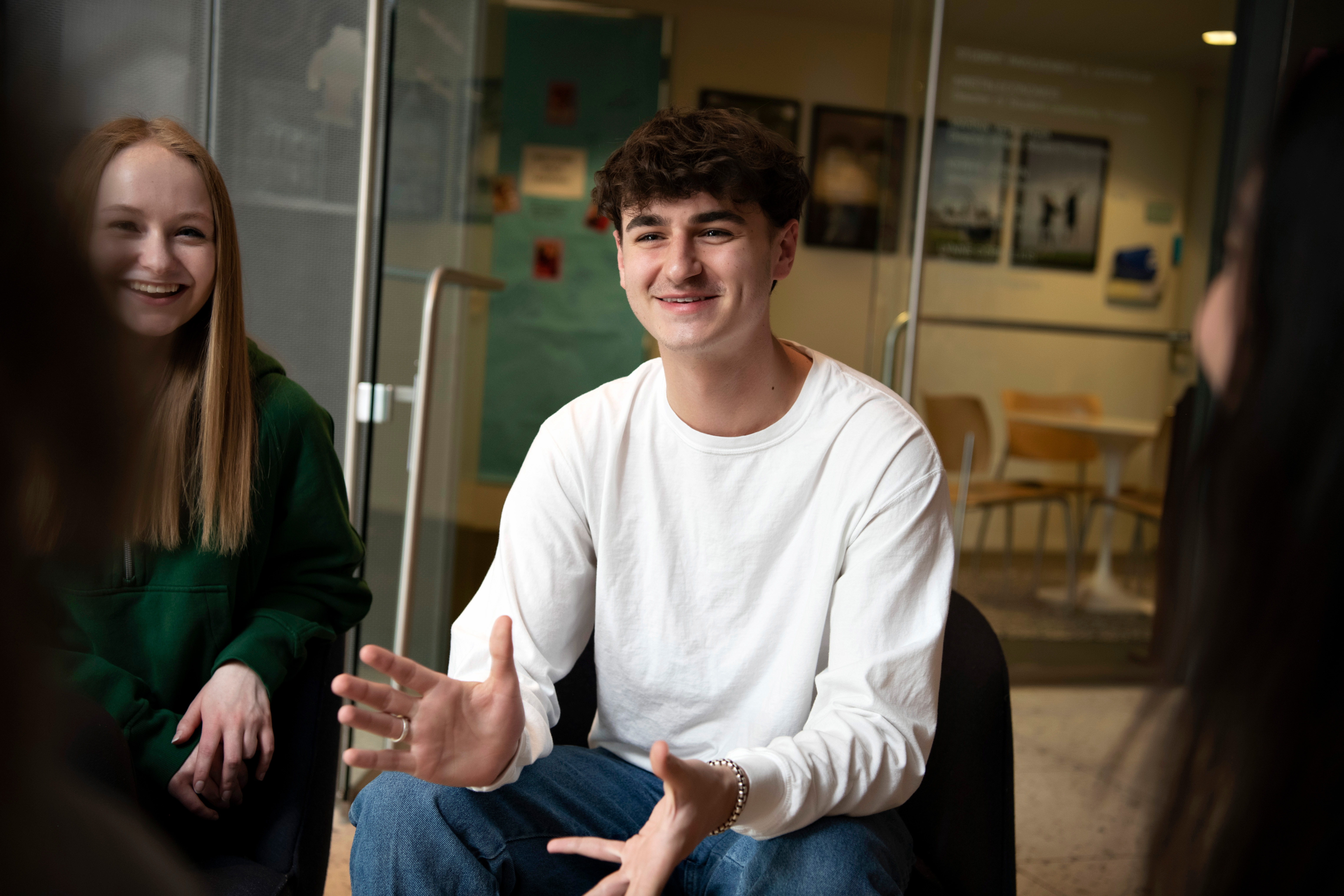
Keep the conversation going in student groups such as the Delphian Society, which focuses on philosophy and religion, and Interfaith, a group devoted to interfaith dialogue and comparative religion.
Comparison Project
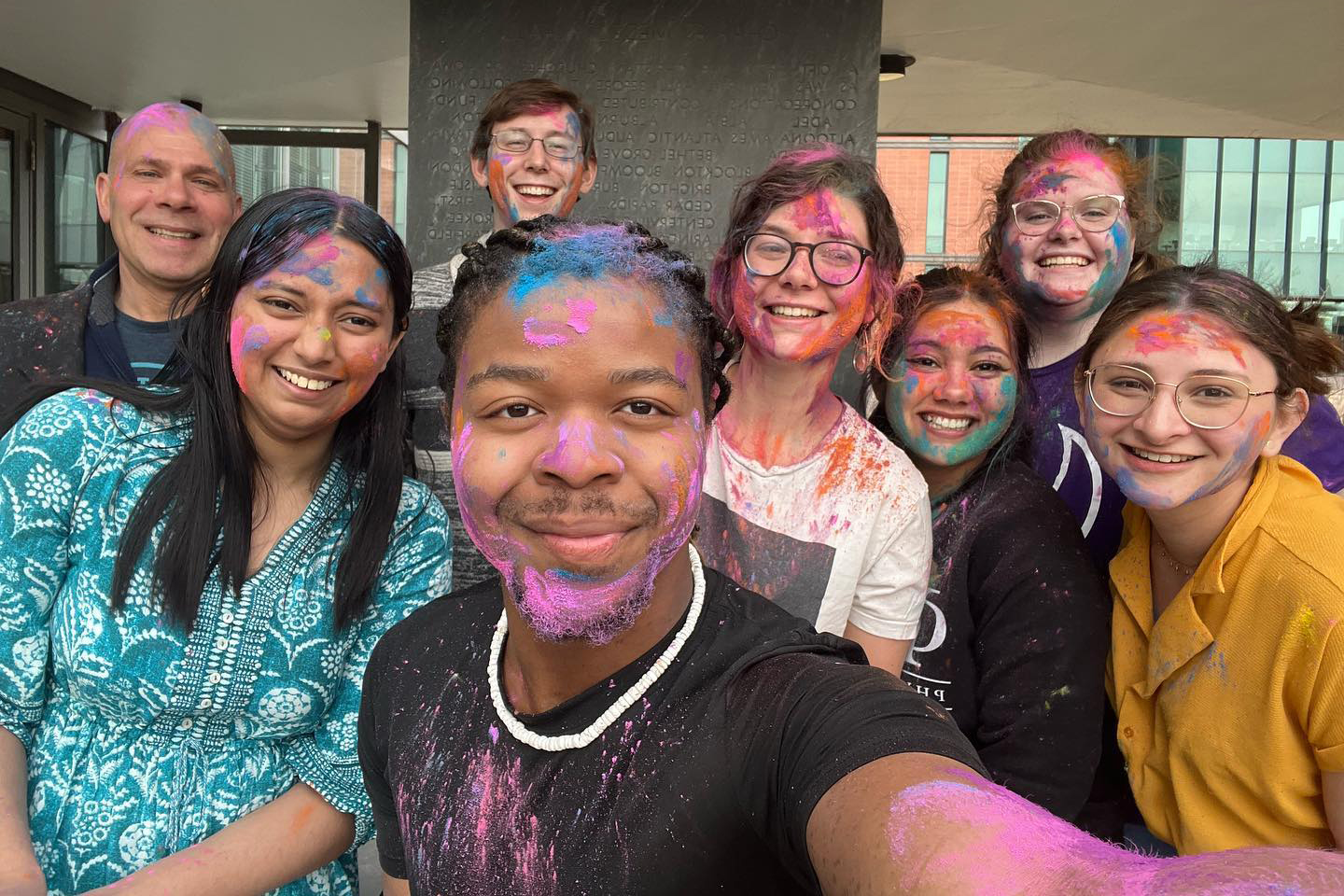
For over a decade, this interfaith effort has helped people learn about different belief systems, understand how religion is practiced in the Des Moines area, and become better community members and leaders. Current programming includes a lecture and dialogue series, a site-visit series, an interfaith camp, and an interfaith conference.
Research
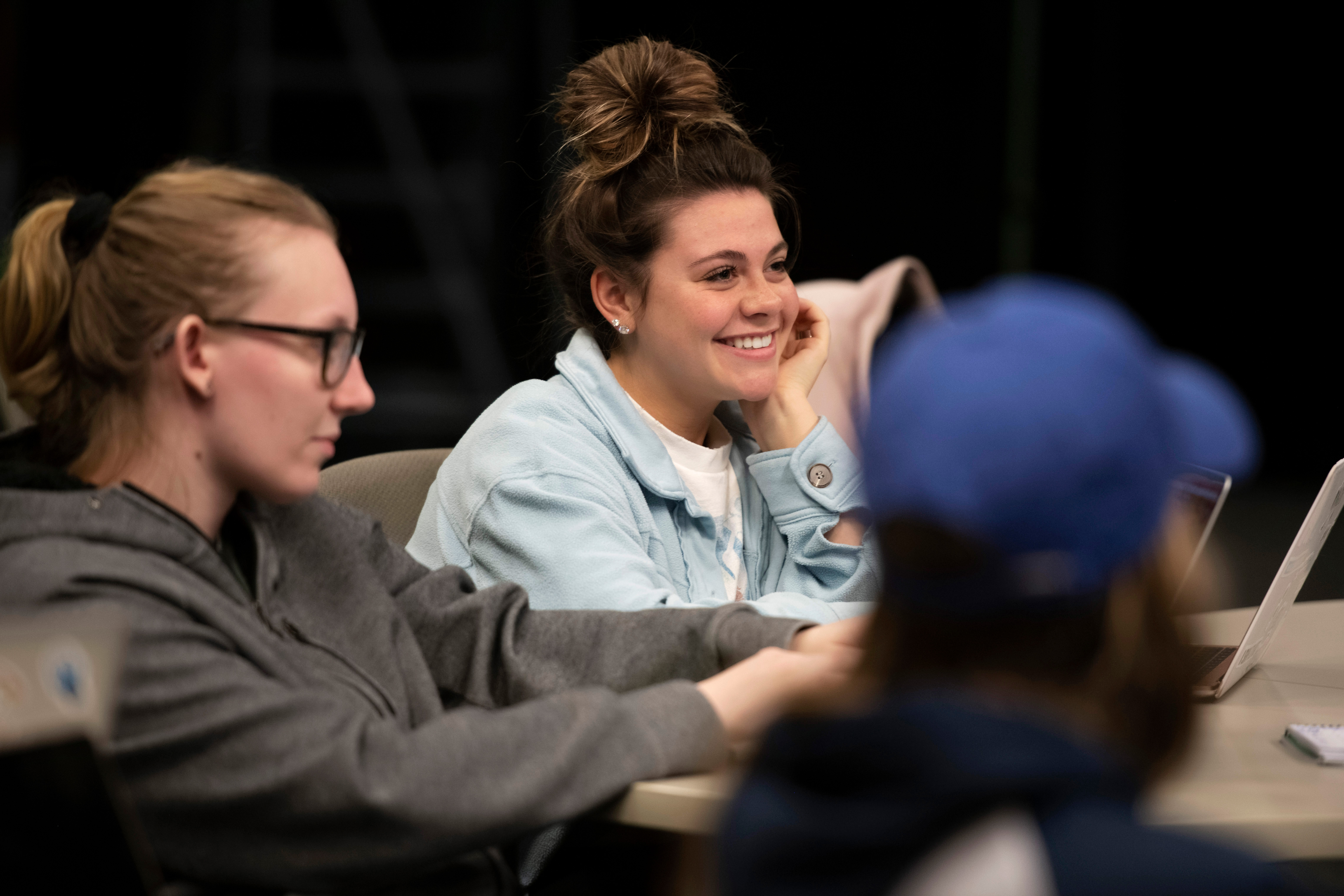
Work directly with faculty on individual projects, publications, and capstones. Or build professional skills as an assistant for the Comparison Project, which hires two students to help run the program every year.
Interfaith Youth Camps
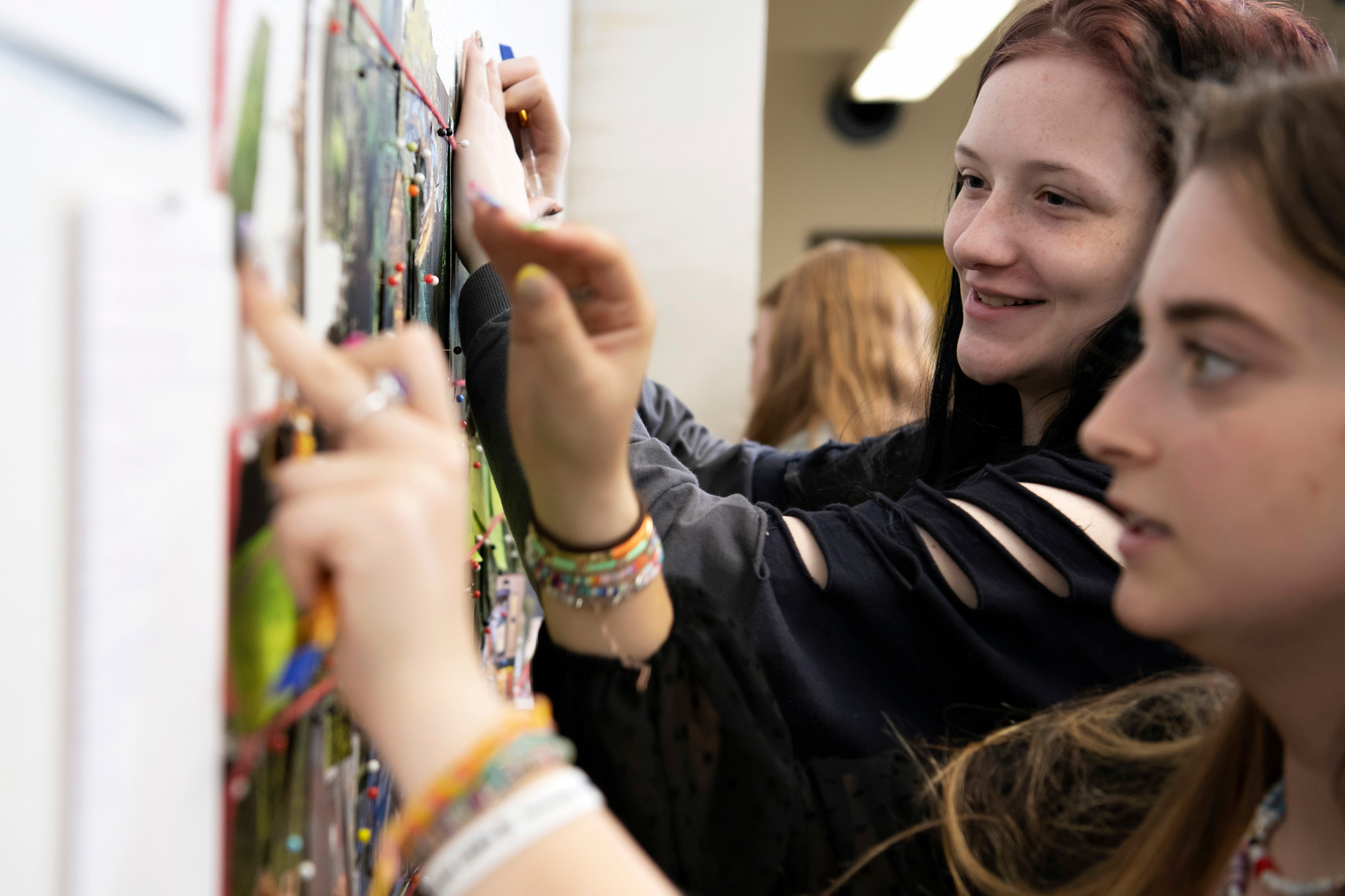
Serve as a counselor in a week-long summer camp, engaging with local high school students from different religious backgrounds to create digital stories and learn more about different traditions. The camp can also now be taken for course credit, whether over the summer or during J-term.
Take the Next Step
To understand religion is to understand a critical element of human culture. The Religious and Interfaith Studies program at Drake can shine a light on practices that shape society.