Doctor of Occupational Therapy
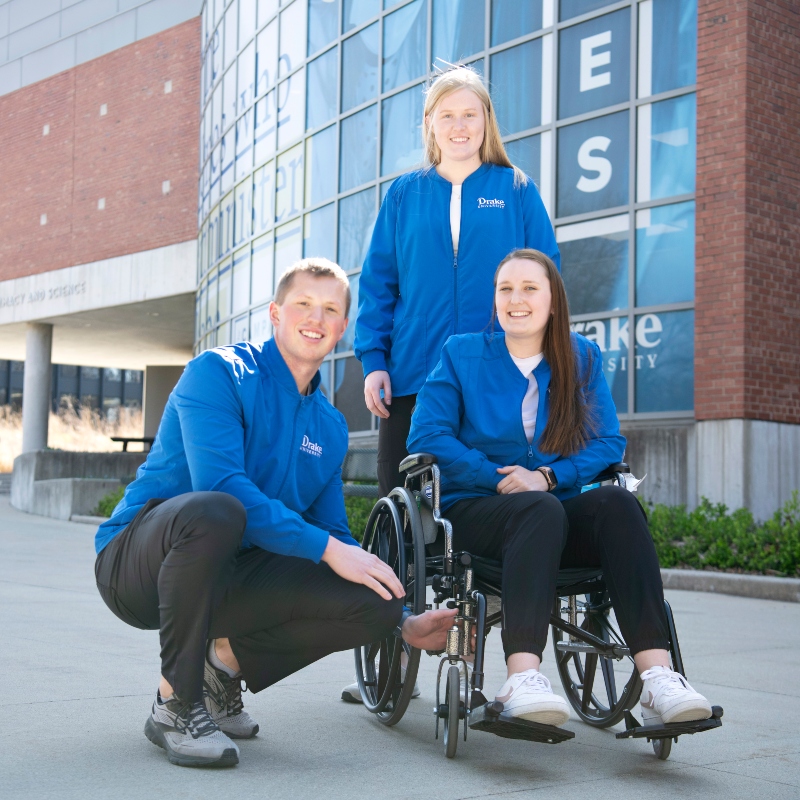
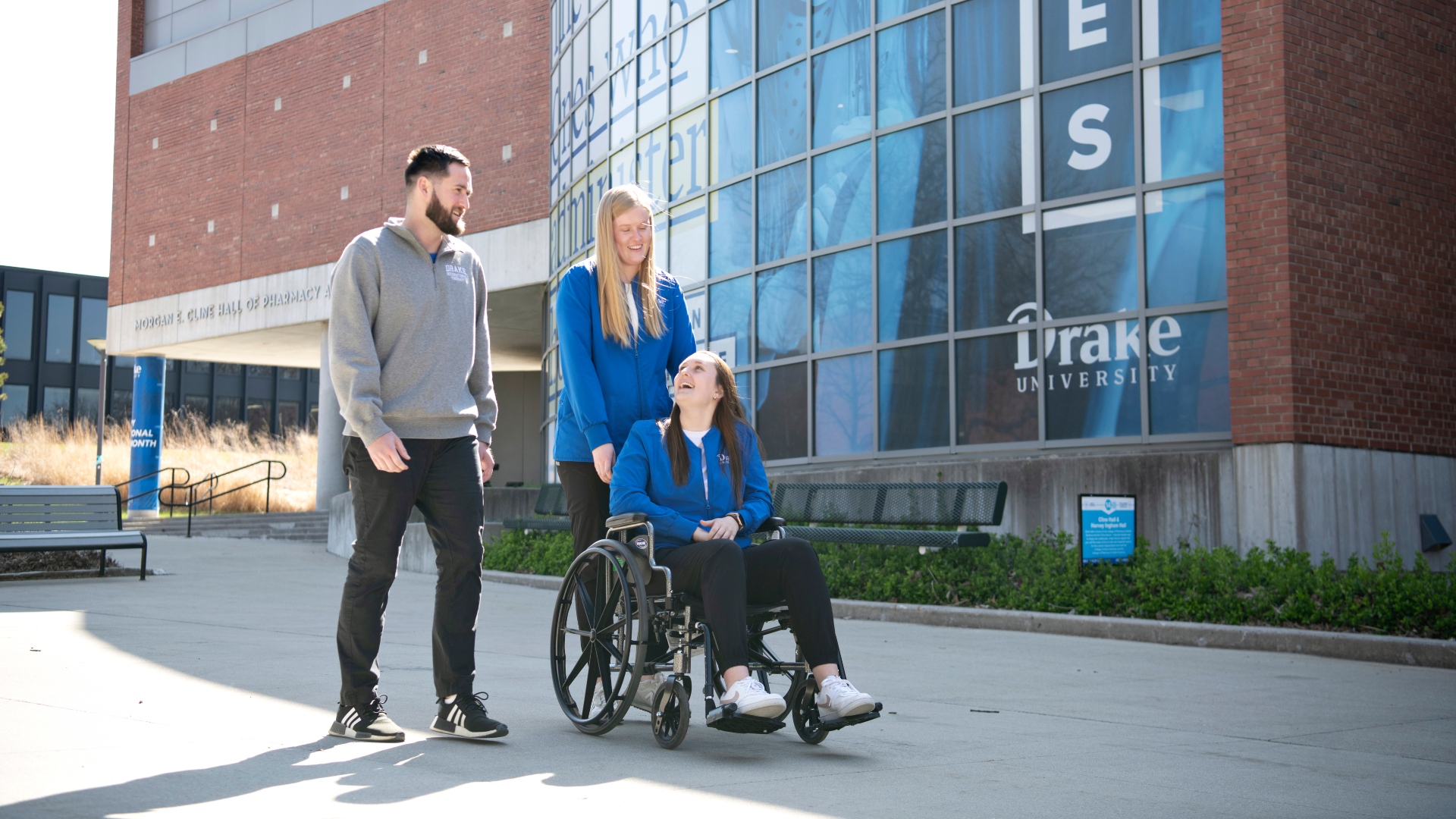
Empower others to live life to the fullest, engaging patients in the activities of daily living to restore and improve their independence.
College of Pharmacy & Health Sciences | On-Campus
Program Options
Choose your route to professional practice. Apply directly to the OTD program after fulfilling prerequisites, or begin with an exploration of the health sciences in the Pre-Occupational Therapy track.
OTD Program
Designed for those with at least three years of undergraduate coursework, including specified prerequisites, this three-year, full-time program prepares you for professional practice through rigorous coursework and extensive clinical experience.
Accelerated 3+3 Program
Access a streamlined pathway to becoming a licensed occupational therapist. Complete a B.S. in Health Sciences, including career exploration and job shadowing to confirm your direction. Then, upon admission, transition to the OTD program after your third year, accelerating your timeline.
Careers & Skills
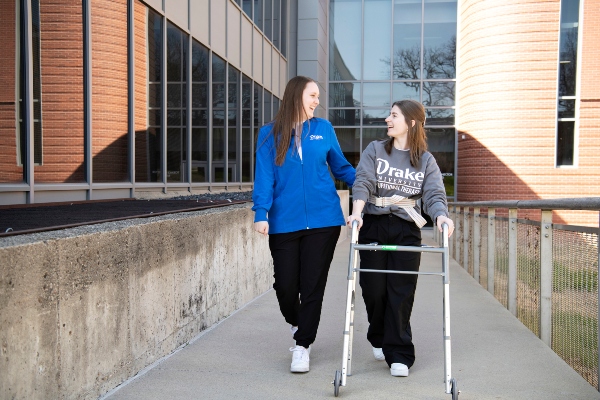
Instrumental to recovery following an illness, disease, trauma, psychological distress, injury, or another challenge, occupational therapists develop personalized treatment plans that help patients regain or strengthen key skills. As a result, demand is projected to grow 11% in the years ahead.
Upon program completion, you’ll have the knowledge and clinical skills necessary to begin an entry-level career as an occupational therapist. You’ll be eligible to sit for the National Board for Certification in Occupational Therapy (NBCOT) exam and gain certification.
OTD graduates have successfully found positions at hospitals, nursing homes, schools, and clinics and have even started their own practices. As they progress in their careers, they pick up certifications in hand therapy, geriatric care, mental health, or stroke care to further specialize their knowledge.
Opportunities for OTs
- Home healthcare providers
- Hospitals
- Mental health clinics
- Outpatient clinics
- Schools
- Skilled nursing facilities
Skills
- Professional reasoning and effective care
- Collaborative community engagement
- Communication
- Leadership
- Professionalism and ethical practice
- Research to inform and advance practice
Salary & Growth Outlook
The average salary for occupational therapists in 2024. (U.S. Bureau of Labor Statistics)
Meet the Faculty
Get mentored by nationally and internationally known faculty, including three members of the American Occupational Therapy Association's Roster of Fellows.
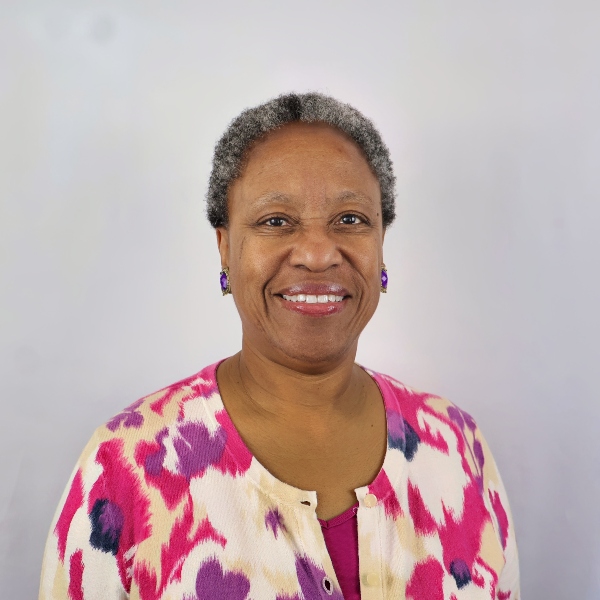
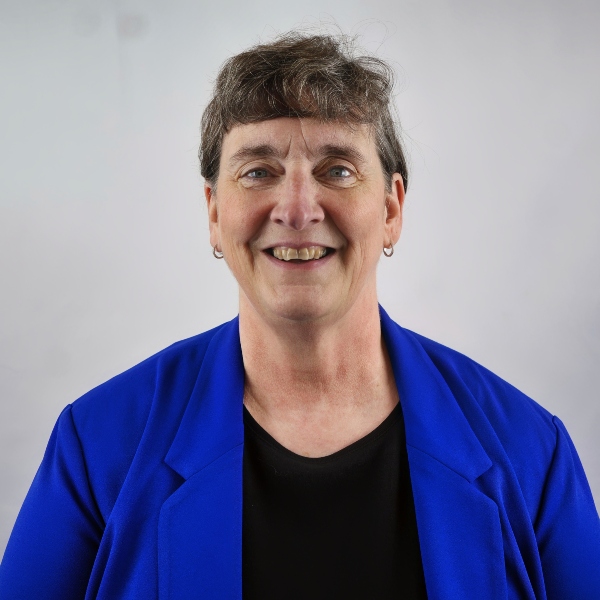

Rachel Allen-McHugh, OTD, MOT, OTR/L, RYT-200
Department Chair and Program Chair, Occupational Therapy; Associate Professor, Occupational Therapy


Outside the Classroom
Grow as a practitioner, researcher, and patient advocate through numerous opportunities to influence policy, engage in clinical practice, and investigate the latest developments.
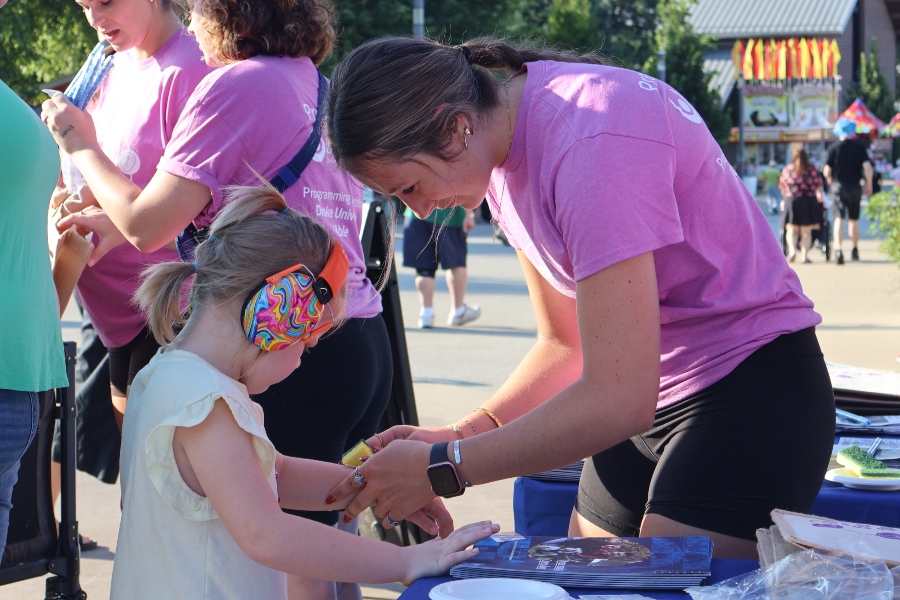
Community-Based Learning and Engagement
In addition to formal clinical experiences, the OTD program emphasizes service and involvement in the local community, from delivering care to underserved populations to addressing healthcare disparities at a higher level.
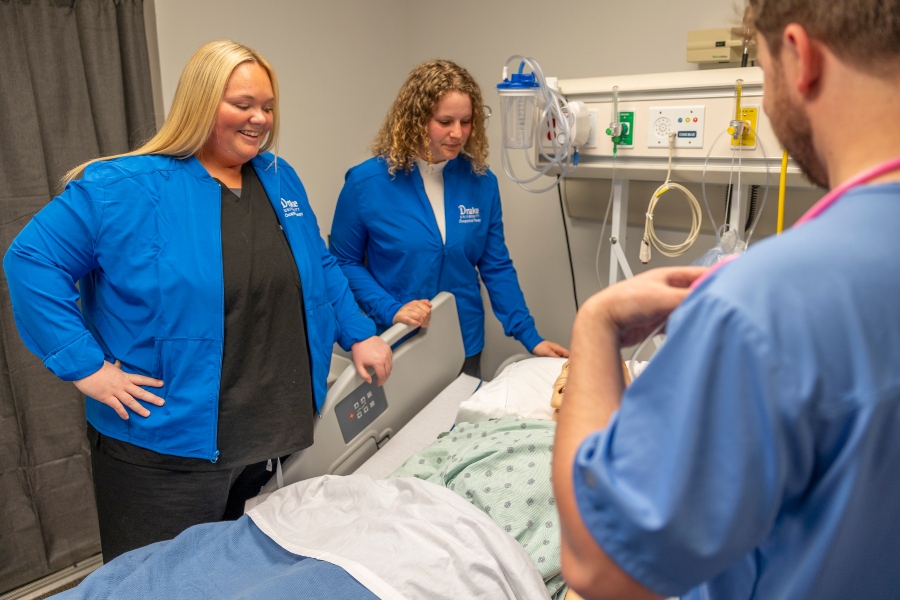
Fieldwork
You’ll receive extensive guided experience in diverse settings from your first year. Beginning with observation, you’ll progress to full-time placements working with clients under the supervision of a skilled mentor.
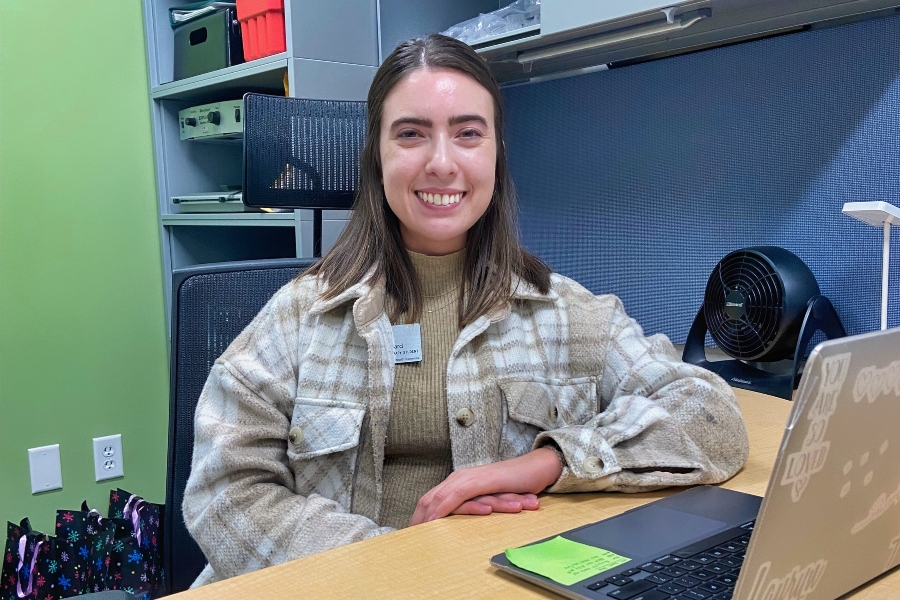
Capstone
The flexible capstone project gives you the chance to expand your skill set and contribute to the community. Projects focus on research, program development, education, advocacy, and clinical skills development.
Research
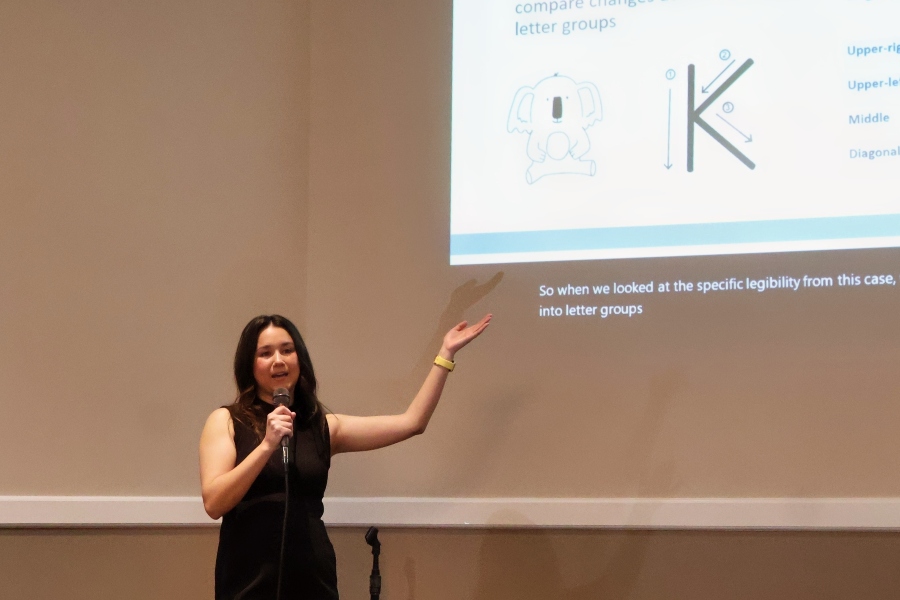
Students build research skills through courses dedicated to methodologies and evidence-based practice in occupational therapy. You will join faculty in research projects, presenting your results at conferences or publishing in journals.
Mentorship
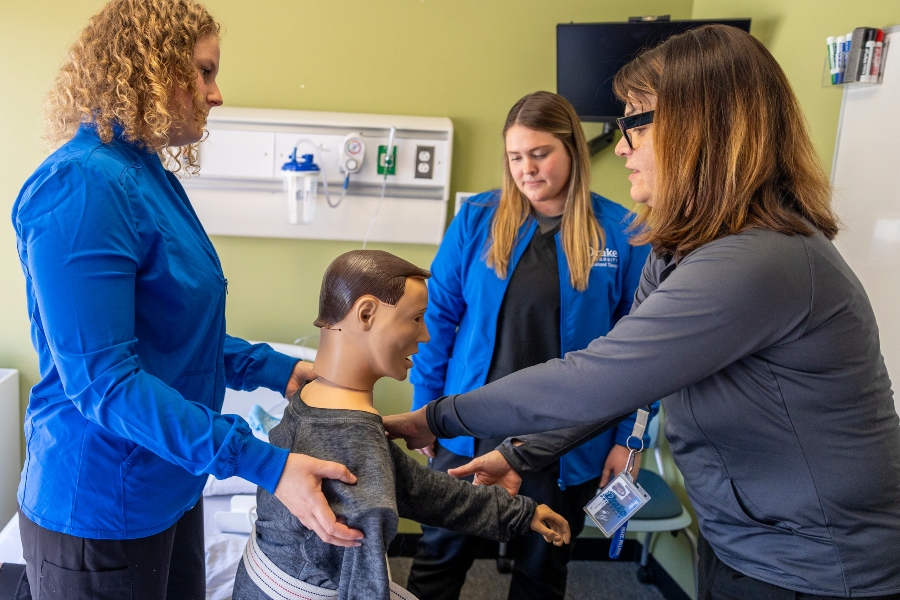
Mentors will shape you professionally and personally throughout the program, from faculty guidance for your capstone project or career direction to input from seasoned practitioners during clinical experiences.

Scholarships
All students admitted into the OTD program at Drake will receive financial aid through the Pursuit of Excellence in Occupational Therapy Scholarship. The specific amount of the scholarship will be shared with students in their admission letter. Additional funding can be found through state, federal, and non-profit agencies.
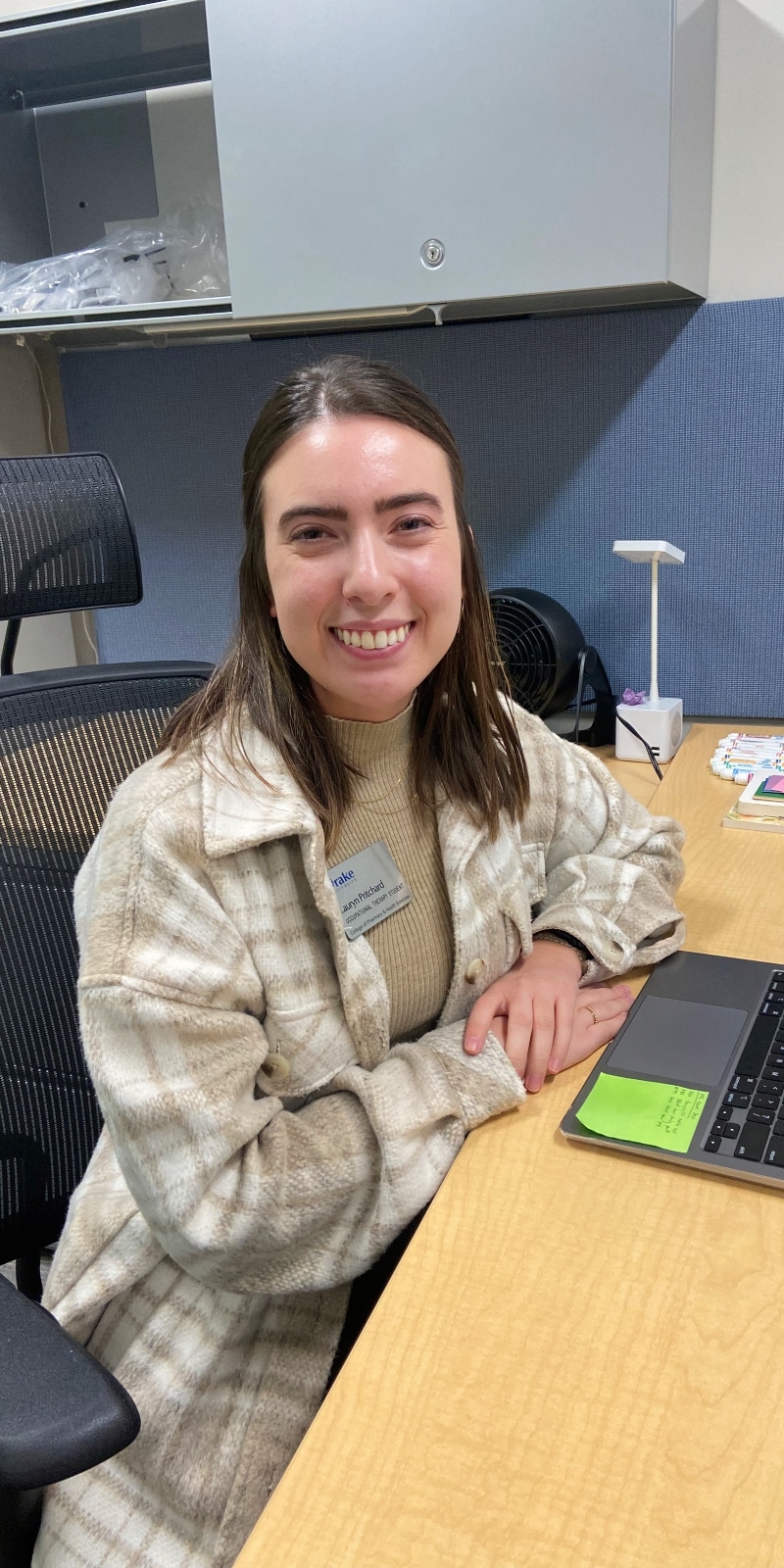
"Drake has given me a safe environment to branch out and develop my professional identity while learning the skills necessary to become an entry-level practitioner. Not only have all of my fieldwork placements been amazing (I’ve spent time in outpatient and inpatient pediatrics, inpatient and outpatient adults, an inpatient mental health facility, and an adaptive horseback riding site!) but Drake has fantastic community partners and I’ve had a great experience developing my skills through those partnerships even prior to beginning my fieldwork!"
Occupational Therapy Graduate
Accreditation & Outcomes
The entry-level occupational therapy doctoral degree program is accredited by the Accreditation Council for Occupational Therapy Education (ACOTE) of the American Occupational Therapy Association (AOTA), located at 7501 Wisconsin Avenue, Suite 510E Bethesda, MD 20814. ACOTE’s telephone number c/o AOTA is 301-652-6611 and its Web address is www.acoteonline.org. Graduates of the program will be eligible to sit for the national certification examination for the occupational therapist administered by the National Board for Certification in Occupational Therapy (NBCOT). After successful completion of this exam, the individual will be an Occupational Therapist, Registered (OTR). In addition, all states require licensure in order to practice; however, state licenses are based on the results of the NBCOT Certification Examination. Note that a felony conviction may affect a graduate’s ability to sit for the NBCOT examination or attain licensure. Students must complete Level II fieldwork and experiential requirements within 24 months following completion of the didactic portion of the program.
| Graduation Year | Entering/Graduating | Graduation Rate* | NBCOT Exam New Grad Pass Rate |
|---|---|---|---|
| 2023 | 49/47 | 96% | 100% |
| 2024 | 48/48 | 100% | 98% |
| 2025 | 41/41 | 100% | 98% |
| Total | 138/136 | 98.6% |
- Graduates will demonstrate the ability to utilize and analyze evidence for occupation-based practice and develop habits of life-long learning.
- Graduates will value and engage in service opportunities to promote health and well-being for diverse and underserved populations.
- Graduates will demonstrate competent clinical reasoning and care using occupation to enable clients across the lifespan within varied groups, and populations to live life to the fullest.
- Graduates will display professionalism, ethical behavior, and advocacy skills to influence positive change with clients, communities, and the profession.
Take the Next Step
Train to help others regain independence and confidence through rigorous coursework and real-world practice in Drake’s highly ranked Doctor of Occupational Therapy program.
Contact us
Lauren Sharp, MAC (she/her/hers)
Director of Enrollment Services
lauren.sharp@drake.edu
515-271-2247