Neuroscience Major
Go deep inside the brain to decipher the mechanisms controlling how we think, feel, behave, and move.
College of Arts & Sciences | On-Campus
Program Options
While this major is part of the Department of Psychology and Neuroscience, you’ll take science classes in several different disciplines. Entering students should have a strong foundation in mathematics and the sciences.
B.A. in Neuroscience
For students eager to expand their understanding of the brain, the Bachelor of Arts program reduces the number of chemistry courses required to make double-majoring in a related discipline easier. You’ll take the same core courses as B.S. students and have access to the same research and applied opportunities.
B.S. in Neuroscience
The Neuroscience major provides students with both a broad foundation in the sciences and with specialized coursework in neuroscientific methods, behavioral neuroscience, and systems neuroscience.
Neuroscience Minor
The Neuroscience minor can complement your existing major. In addition to required classes in neuroscience and biology, electives let you explore topics in behavioral genetics, neurochemistry, and psychology based on your interests.
3+3 Occupational Therapy Doctorate Program
Translate an understanding of the human mind and behavior into a career helping individuals lead more independent lives. On an accelerated track, you’ll spend three years on undergraduate neuroscience coursework before specializing in graduate coursework, where you’ll learn to assess patients’ abilities, develop treatment plans, and monitor their progress in Drake’s OTD program, which is located in Drake’s College of Pharmacy and Health Sciences. Open to B.A. and B.S. students.
Interdisciplinary Concentrations
Build a job-ready specialty through a concentration in comparative animal behavior, behavioral analysis of developmental disabilities, or human resources.
STEM Undergraduate Research Scholar Concentration
Pursue meaningful undergraduate research and work closely with faculty mentors through the STEM Undergraduate Research Scholar Concentration. This transcript-recognized program combines hands-on research, skill-building coursework, and a capstone presentation to help you develop expertise in research, analysis, and communication.
Pre-Medical Studies
Prepare for medical school by fulfilling prerequisite requirements as a Neuroscience major. You’ll work with faculty mentors and advisors to select courses and experiential opportunities that strengthen your application.
Careers & Skills
Majoring in Neuroscience gives you the option to pursue a wide variety of careers. While some students go on to become doctors, nurses, genetic counselors, or clinical neuropsychologists, others choose paths in public health, teaching, and basic or applied research.
You can also leverage your neuroscience knowledge with jobs in related fields, such as journalism, biotechnology, or pharmaceuticals. Whatever you choose, the skills you gain in Drake’s Neuroscience program will equip you for success in graduate school—a path most students take.
Opportunities
- Medicine
- Allied health professions
- Research
- Optometry
- Physical therapy
- Newspapers and magazines
Skills
- Fundamental knowledge and comprehension of the major concepts, theoretical perspectives, historical trends, and empirical findings in the field.
- Scientific reasoning and problem-solving skills, including effective research methods.
- Written, oral, and interpersonal communication skills.
- Ethically and socially responsible behaviors for professional and personal settings in a landscape that involves increasing diversity.
- Discipline-specific content and skills, effective self-reflection, teamwork skills, and career preparation.
- Verbal, quantitative, and critical reasoning.
Salary & Growth Outlook
Average salary for job candidates with a bachelor’s degree in Neuroscience. (Payscale)
Interdisciplinary Faculty
The faculty of the Department of Psychology and Neuroscience are experts in their disciplines who regularly publish in peer-reviewed scientific journals. As teacher-scholars, they are all committed educators in the classroom and in their research labs, where they welcome students to make discoveries alongside them.







Outside the Classroom
Drake’s range of experiential opportunities—including independent studies, internships, and volunteering at local hospitals—prepares Neuroscience majors for careers in research or the health professions. You can get started while you’re here, building professional skills as you put science into action on campus and in the Des Moines community.
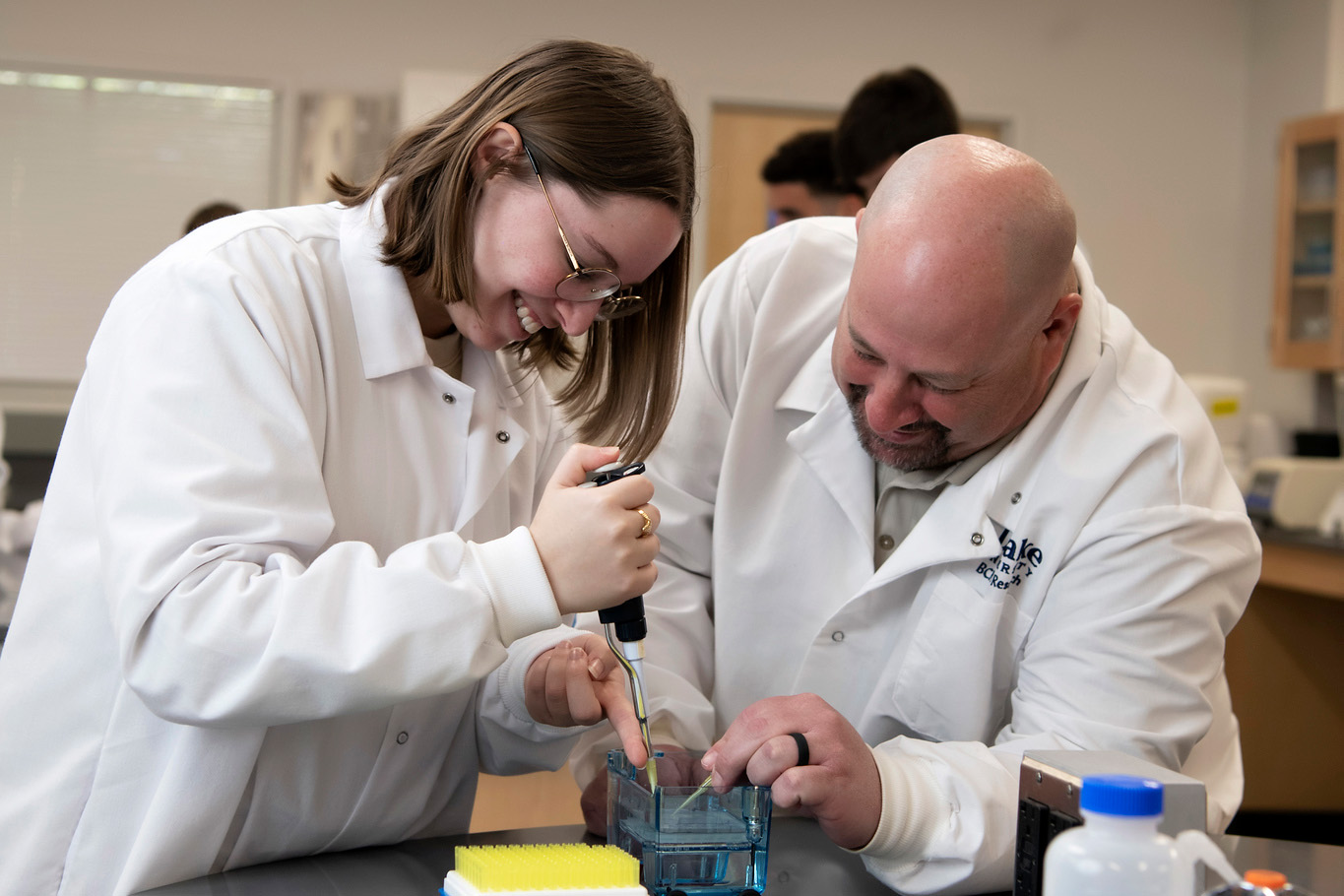
Undergraduate Research Experiences
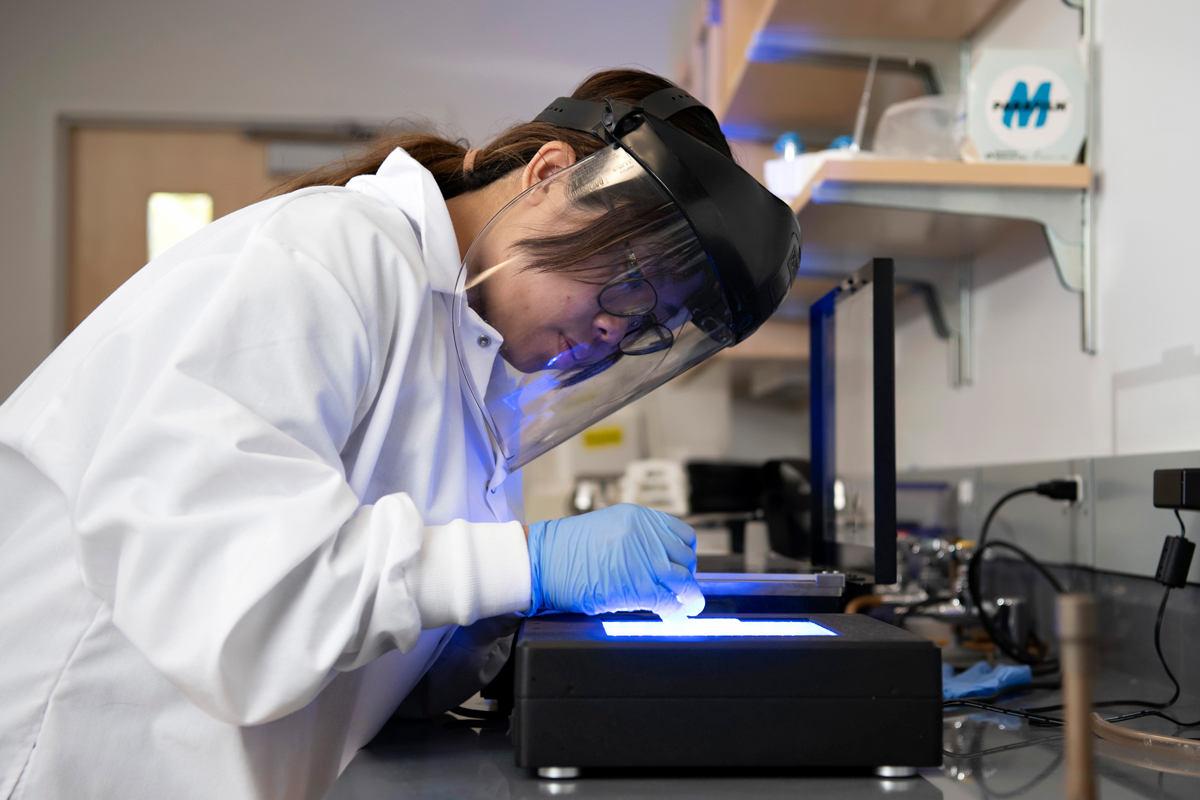
Broaden your view of the nervous system and brain as you assist Neuroscience faculty with their research and seek out opportunities in related departments. Faculty research examines how damage to the brain affects cognitive processes, how the brain processes visual information, and many other topics.
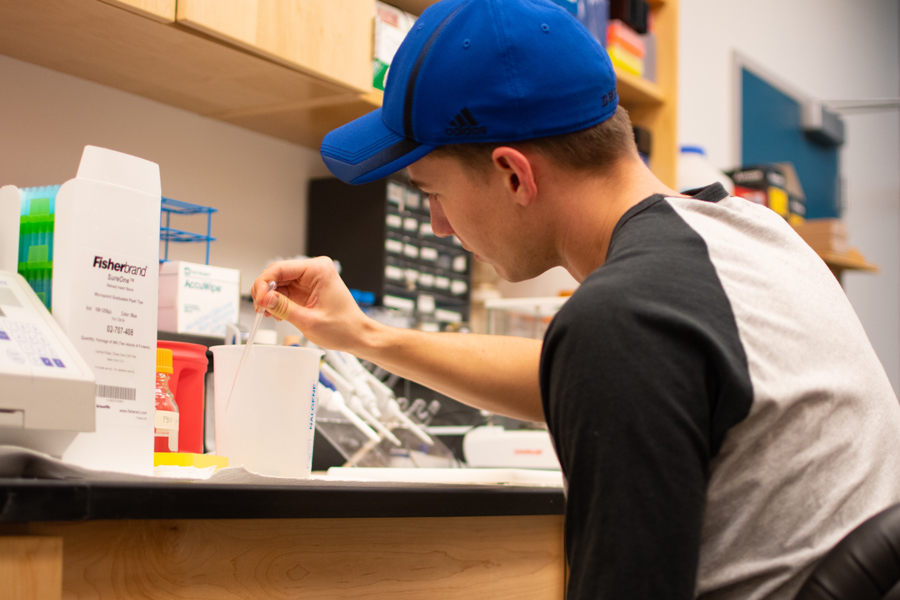
Independent Study and Capstone Research
If you’re curious about a question and its conclusion, opportunities exist to join a research team and collaborate with a faculty member to develop your own research study. In addition to a for-credit capstone project, you’ll have the opportunity to conduct independent studies during your undergraduate studies.
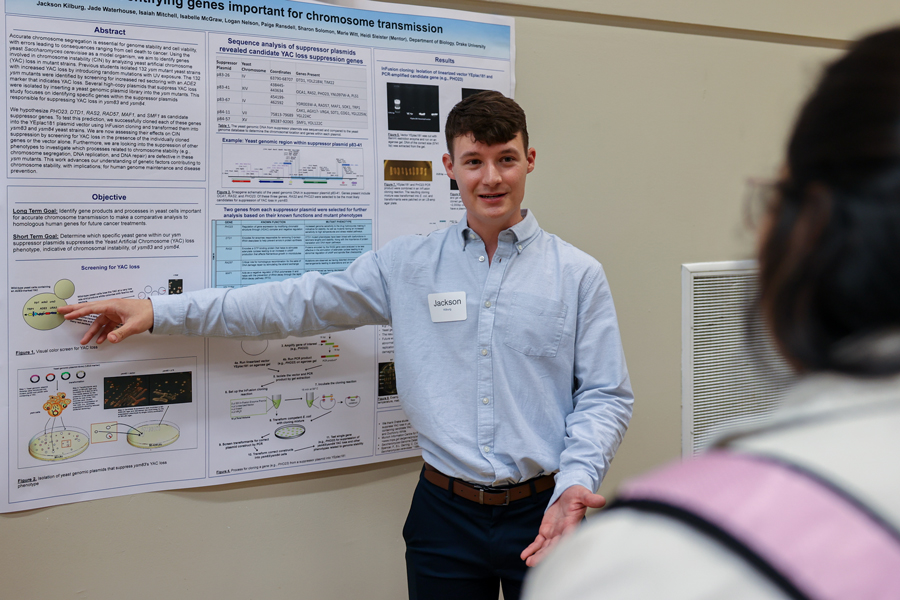
Drake University Conference on Undergraduate Research in the Sciences (DUCURS)
After conducting research under the direction of faculty mentors, Drake neuroscience students are invited to present their research projects at DUCURS, where they showcase their team’s results and learn what other departments have discovered. In addition to DUCURS, our students regularly present at regional, national, and international conferences, such as the Midwestern Psychology Association, Association for Psychological Science, and Society for Neuroscience.
Facilities
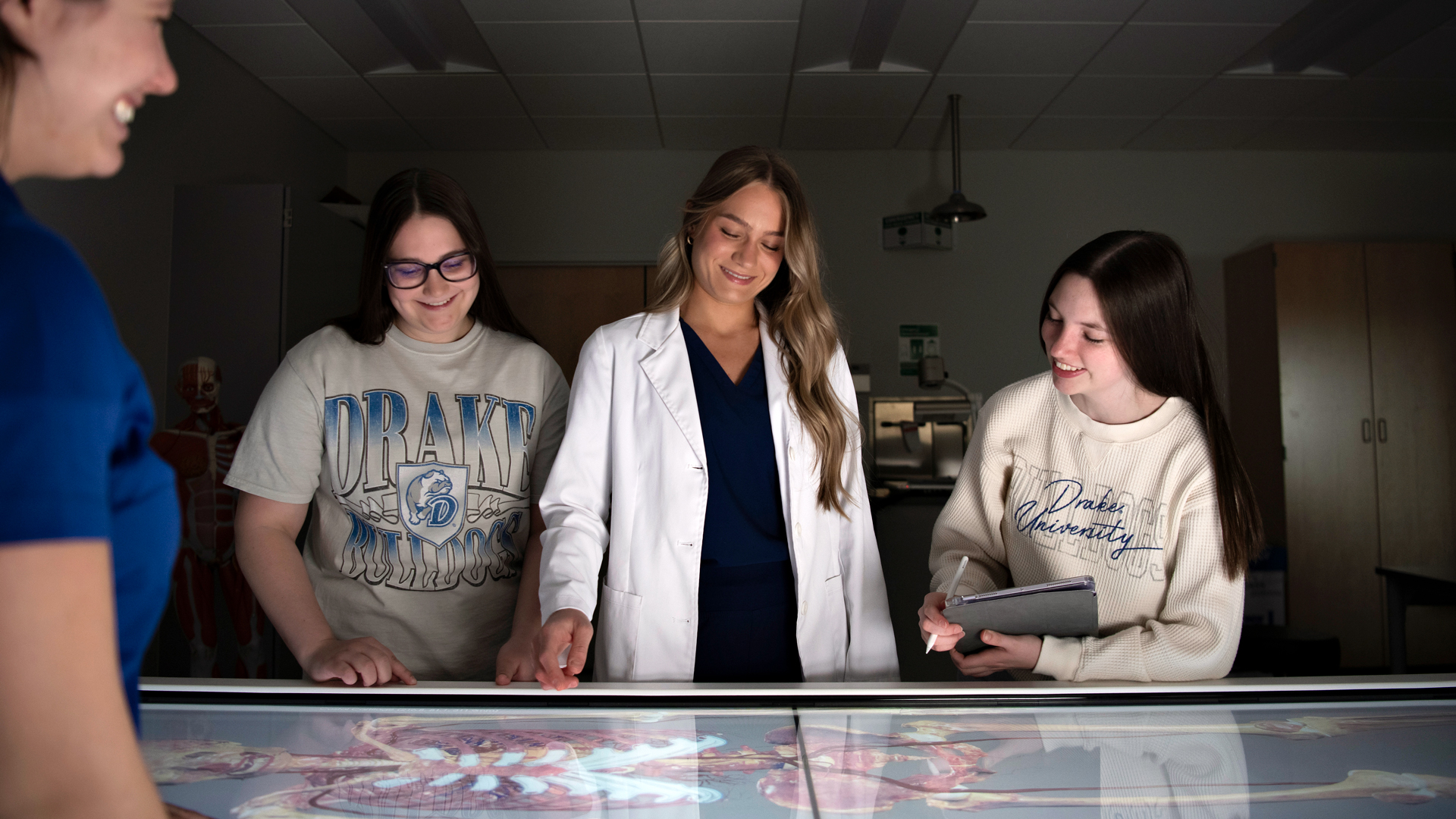
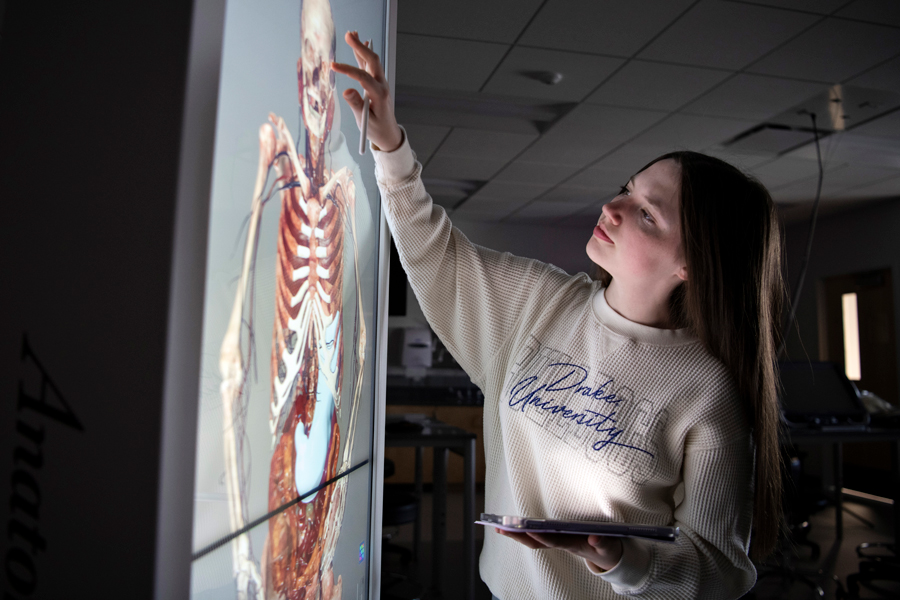
Learn modern research techniques in our human observation suite with specialized computer equipment, including an eye-tracking device and reaction-time-based programs, a state-of-the-art animal research facility, and individual research labs set up for various faculty members to conduct their research.
Internships
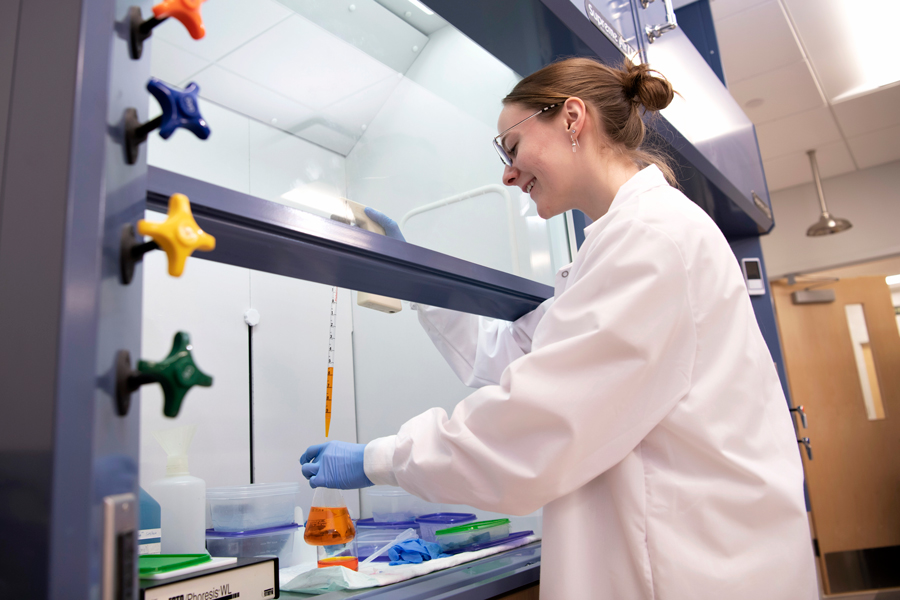
A for-credit internship in a medical setting lets you apply the principles you learn in class to real-world scenarios. Faculty advisors can help you match your career interests with possible work sites.

Student Organizations
Qualified students can join Drake’s chapter of Nu Rho Psi, the national neuroscience honors society, where you’ll build your network and access career advancement opportunities. Open to all students, Drake's chapter of National Alliance on Mental Illness (NAMI) on Campus offers the opportunity to coordinate campus events related to mental health.
Take the Next Step
Explore how our brains work as you combine the principles of psychology, biology, and chemistry in a fast-paced, interdisciplinary program.